tree day
Environment news · Development: 28 Oct 2026
UN report calls for investment in ocean carbon monitoring
The 2026 Climate Technology Progress Report calls for stronger ocean observations and data systems to inform climate decisions and assess ocean-based technologies.
Global
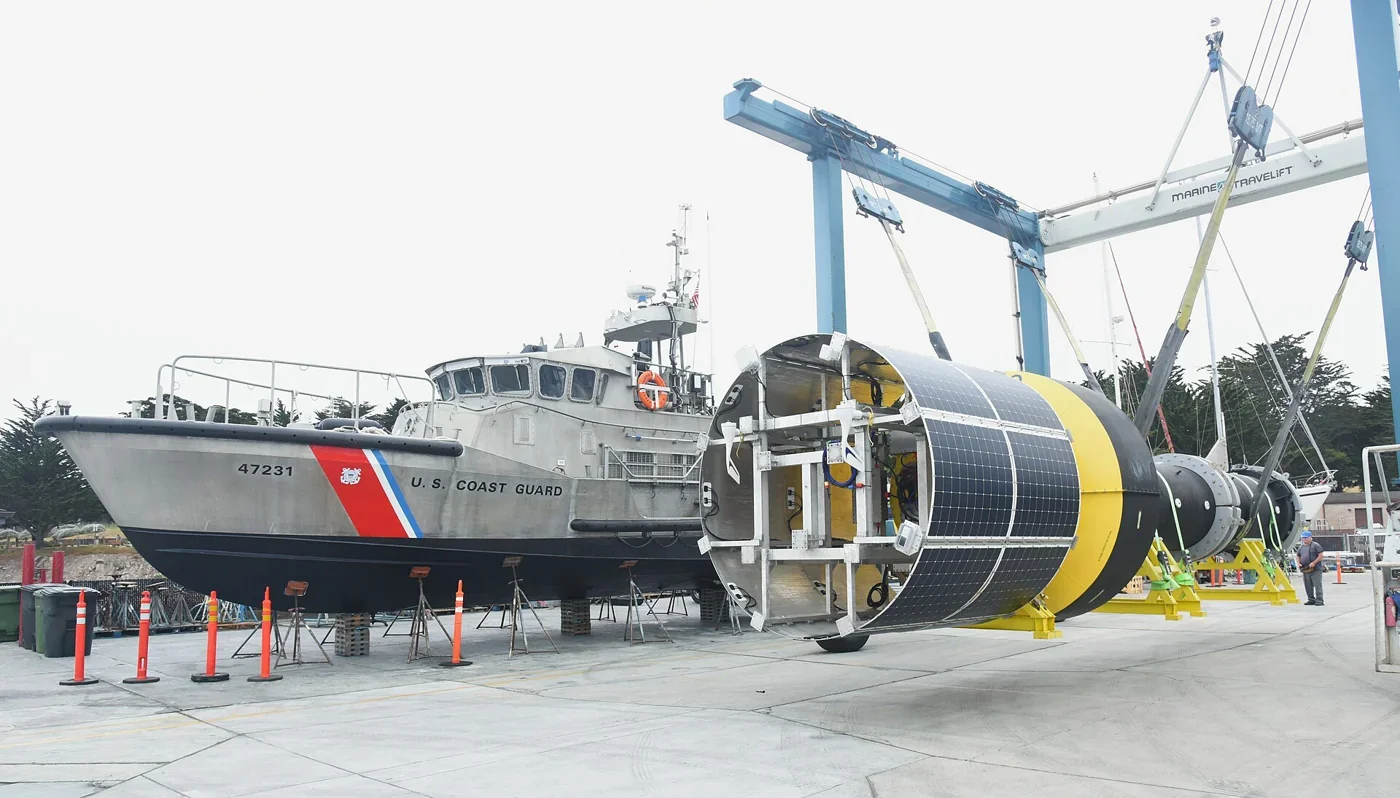
The UN’s 2026 Climate Technology Progress Report called for sustained investment in ocean carbon observations, data and analysis when it was released on 28 October. Its proposed Ocean Carbon Intelligence framework aims to improve understanding of the ocean’s carbon system and the evidence used to assess marine climate action. [1]
What Ocean Carbon Intelligence means
The report uses Ocean Carbon Intelligence for a framework linking ocean science, monitoring technologies, data infrastructure and analytical tools. Its purpose is to improve understanding of ocean carbon dynamics and support evidence-based decisions. The report says sustained investment in observation, data systems and modelling is needed because important knowledge gaps still limit governments’ and investors’ ability to assess risk and judge ocean-based technologies. [1]
This is not a new label for one device or a single project. It points to an information system: measurements gathered in different places and ways must be connected well enough to show how carbon moves and changes. A sensor reading, a model estimate and an intervention’s claimed removal are different kinds of evidence. Useful intelligence depends on making those distinctions visible.
The ocean’s role is large, but under pressure
The report states that the ocean absorbs around 30 percent of human-induced carbon dioxide emissions and about 90 percent of the excess heat generated by climate change. It also warns that warming, acidification, deoxygenation, pollution and ecosystem degradation are disrupting processes that support this climate-regulating role. These are global statements about the ocean system; they do not tell a coastal resident what is happening at a particular bay or reef. [1]
The mechanism matters. Carbon dioxide exchanges between air and water, while physical, chemical and biological processes influence how carbon is transported and stored. If those processes shift, the ocean’s capacity to take up and retain carbon may also change. The report says climate change is already affecting the ocean’s ability to absorb and store carbon, while gaps in observations limit the precision of assessments. [1]
Observation is not a climate intervention
Measuring carbon is not the same as removing it. Ocean Carbon Intelligence is about understanding and tracking the system. Better measurements can inform policy and help evaluate proposals, but the existence of a monitoring network does not itself reduce emissions or increase durable storage. This distinction is easy to lose when “ocean solutions” are discussed as one category.
For example, imagine a coastal agency comparing two hypothetical claims: one says a habitat is recovering, and another says a technology has removed a quantified amount of carbon. The first needs evidence about habitat condition and ecological change. The second needs evidence about the amount removed, how long it remains stored, and what environmental effects accompany the process. Observations may support both assessments, but they do not make the claims equivalent.
Blue carbon begins with living habitats
Blue carbon commonly refers to carbon associated with coastal ecosystems such as seagrass meadows, mangroves and tidal wetlands. Restoring or protecting such habitats is ecosystem work: the aim includes ecological function, not simply a carbon number. The October report highlights blue carbon ecosystem restoration as one kind of ocean-based climate technology, while emphasizing that science, transparency, safeguards and governance must guide these approaches. [1]
A restoration project should therefore be assessed on the condition of the habitat and the persistence of its ecological benefits, alongside any carbon accounting. A map showing a planned restoration boundary is not evidence that vegetation has returned or that stored carbon has increased. Those outcomes require site-specific observation over time. The report does not offer a universal monitoring recipe, and local habitat and project conditions matter.
Marine carbon removal remains emerging
The report also identifies emerging marine carbon dioxide removal approaches. They should be distinguished from both ordinary ocean observation and restoration of existing blue carbon habitats. A proposed removal method is an intervention intended to increase carbon uptake or storage; its climate value cannot be assumed from its name or from a successful demonstration of equipment. The report describes opportunities and limitations, rather than presenting these approaches as proven substitutes for emissions cuts. [1]
That caution applies to investors and communities alike. A responsible proposal needs transparent methods, credible evidence, environmental safeguards and effective governance. The report explicitly says ocean-based technologies can complement, but not replace, rapid and sustained reductions in greenhouse gas emissions. For readers assessing a headline, the practical questions are: what was observed, what was restored or altered, what result was measured, and for how long? [1]
Follow the evidence
Primary reporting and background sources. Event dates and publication dates are shown separately above.
Read our editorial standards. Have a correction? Identify the article and relevant source in your feedback to the site owner.