tree day
Environment news · Development: 9 Oct 2026
Western Indian Ocean countries adopt 15 decisions on pollution and coastal protection
Nairobi Convention parties adopted regional decisions on plastic pollution, marine incident response and coastal habitats at COP12 in Dar es Salaam on 9 October.
Dar es Salaam, Tanzania
The ten parties to the Nairobi Convention adopted 15 decisions on ocean governance, pollution and coastal protection as COP12 concluded in Dar es Salaam, Tanzania, on 9 October. UNEP reported agreement on a regional plastic pollution strategy and a contingency plan for major marine pollution incidents. [1]
Shared decisions for a shared ocean
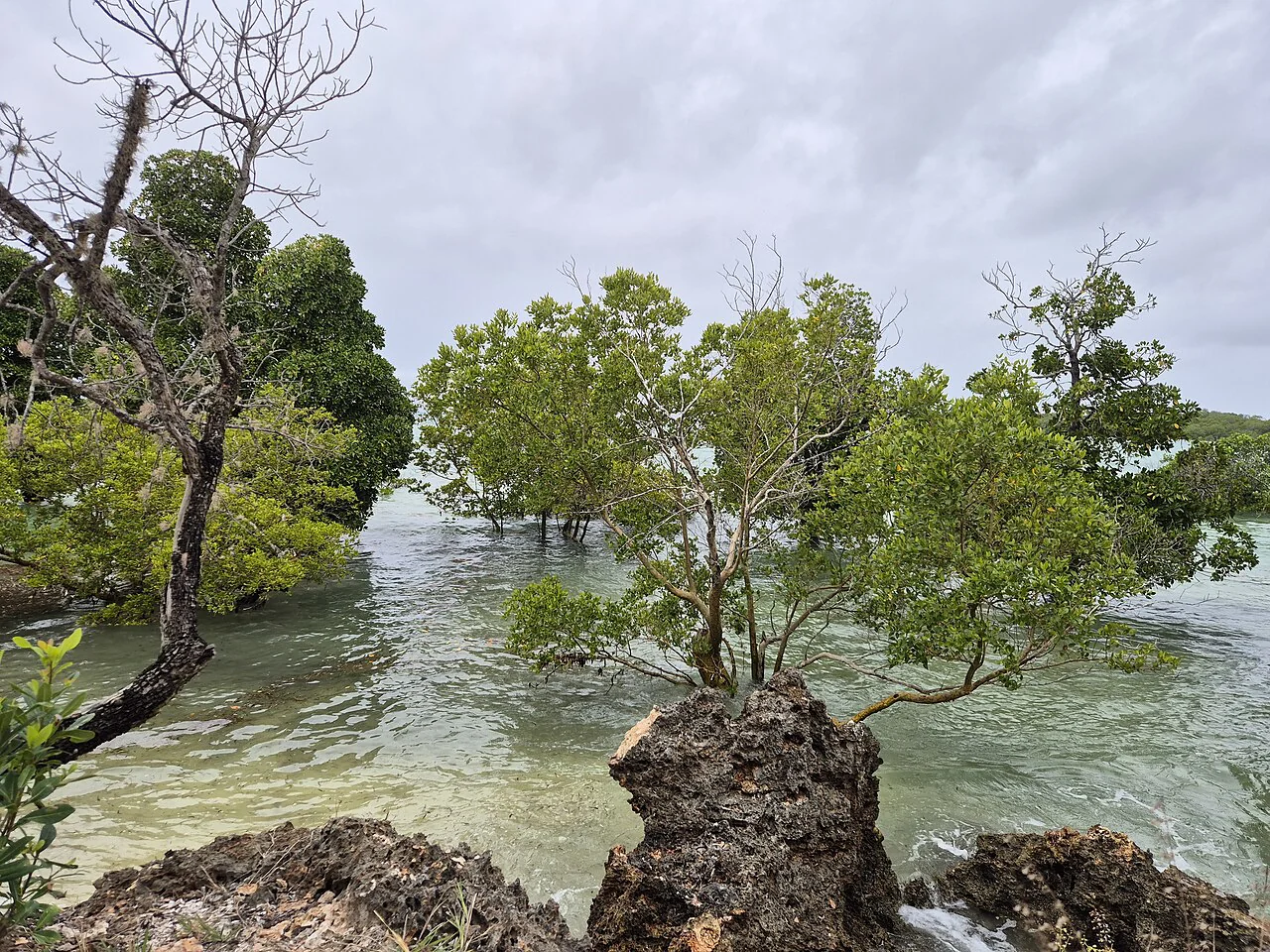
The measures also address conservation and restoration of mangroves, seagrasses and coral reefs. Parties advanced regional planning, monitoring and information-sharing, and elected Mauritius to chair the convention’s bureau. The decisions apply to cooperation across the Western Indian Ocean region. [1]
An incident at sea can require action beyond one jurisdiction. A regional contingency plan provides a starting point for working out how countries respond together. Its usefulness will depend on the capabilities, responsibilities and resources attached to it after the meeting.
Coastal habitats are part of the economic story
The EPA describes wetlands as places that support wildlife, influence water quality and help buffer flood impacts. [2] Decisions concerning coastal ecosystems therefore have implications for communities as well as conservation agencies.
The new regional agenda gives governments several tasks to connect: managing pollution, deciding how marine space is used and following the condition of habitats. Monitoring will help show whether these actions reinforce one another. An adopted strategy marks the start of that work; subsequent implementation reports can reveal the progress made along each coast.
Follow the evidence
Primary reporting and background sources. Event dates and publication dates are shown separately above.
- UN Environment Programme: Nairobi Convention marks 40 years as COP12 charts future of ocean governance ↗
- US EPA: Why wetlands are important ↗
Read our editorial standards. Have a correction? Identify the article and relevant source in your feedback to the site owner.