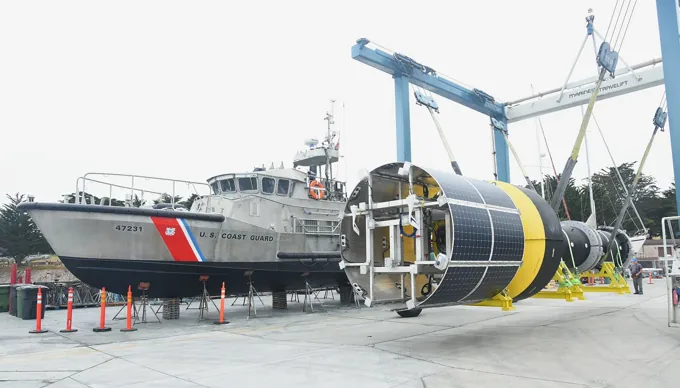
The 2026 Climate Technology Progress Report calls for stronger ocean observations and data systems to inform climate decisions and assess ocean-based technologies.
Armenia and UNEP launched the Yerevan Platform on 28 October to connect mountain countries, downstream nations and partners working on conservation and restoration.
The European Commission presented an advisory initiative to support 20 water resilience pilot projects, helping proposals develop financing models and attract investment.
Nairobi Convention parties adopted regional decisions on plastic pollution, marine incident response and coastal habitats at COP12 in Dar es Salaam on 9 October.
A watershed is the land area that drains water toward a shared outlet. Learn how slopes, streams, groundwater and human-built surfaces shape its boundaries—and how to recognize the one you live in.
The water cycle is water moving among the atmosphere, land, oceans and underground stores, changing form along the way. Sunlight and gravity drive its flows, while human activity can alter timing, storage and quality.
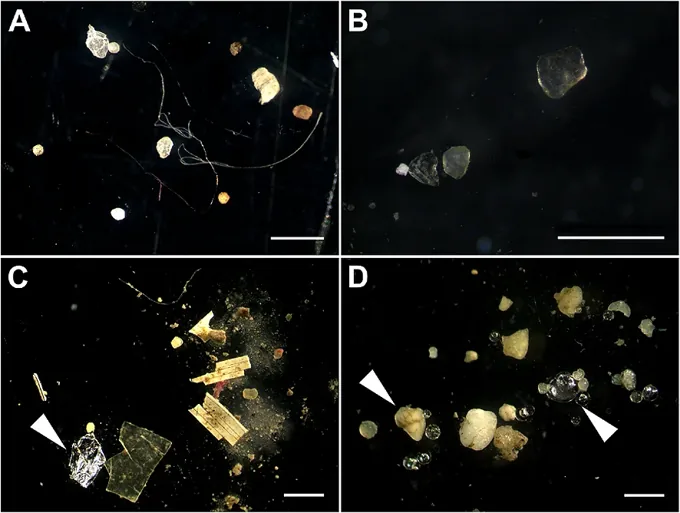
Microplastics are tiny plastic particles, often discussed as fragments, fibers or other small pieces. Their small size makes them easy to overlook, but it does not reveal where they came from or what exposure means in a particular setting.
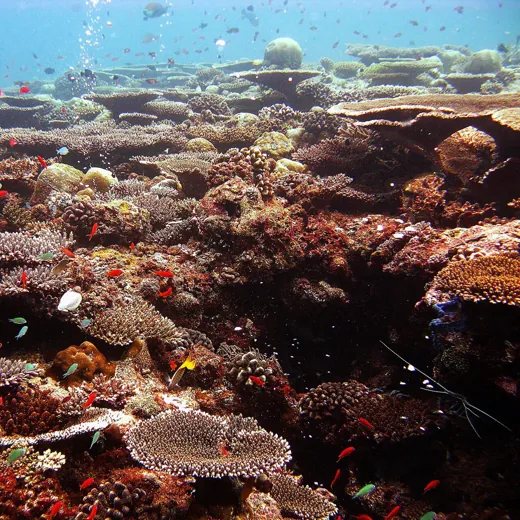
Ocean acidification is a change in seawater chemistry as the ocean absorbs carbon dioxide, making the water less alkaline. It can make shell and skeleton formation harder for some marine organisms, though effects differ by species and conditions.
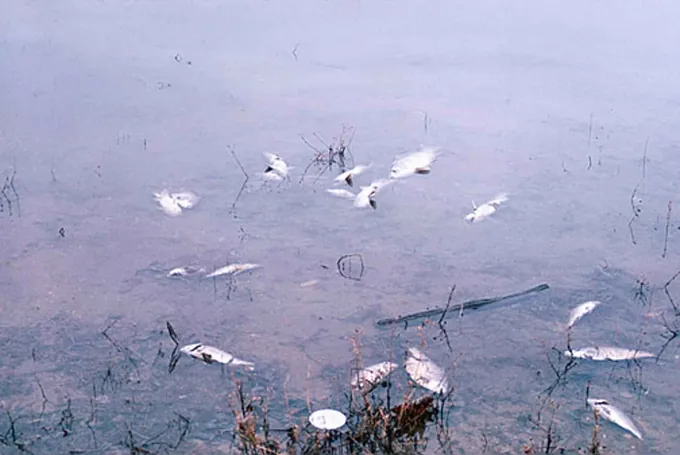
Water pollution occurs when substances or changes in conditions make water harmful or less suitable for people, wildlife or ecosystems. It can come from a visible discharge, diffuse runoff or heat, and the source often lies upstream.
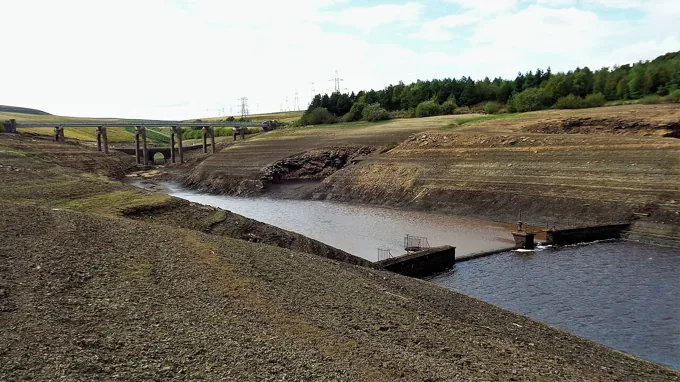
Drought develops when water supply falls short of demand over time; precipitation, heat, soils, stored water, and timing all shape how it affects a place.
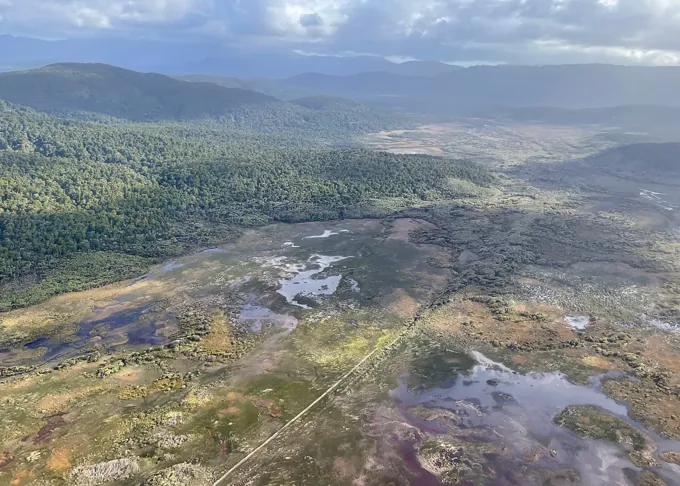
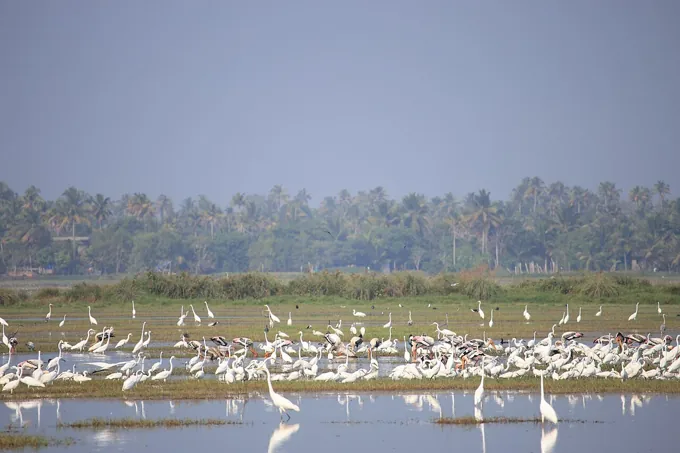
Wetlands support wildlife, store floodwater, help improve water quality and provide natural products and places for recreation. Their benefits depend on local conditions and on connections to the surrounding watershed.
Drinking water can begin as surface water, groundwater or another local source, then move through infrastructure and treatment before reaching a tap. The exact route depends on the community and its water system.
Start with routine habits and leaks, then focus on the fixtures and outdoor uses that matter most in your home. A simple audit helps you choose changes that reduce waste without disrupting household needs.
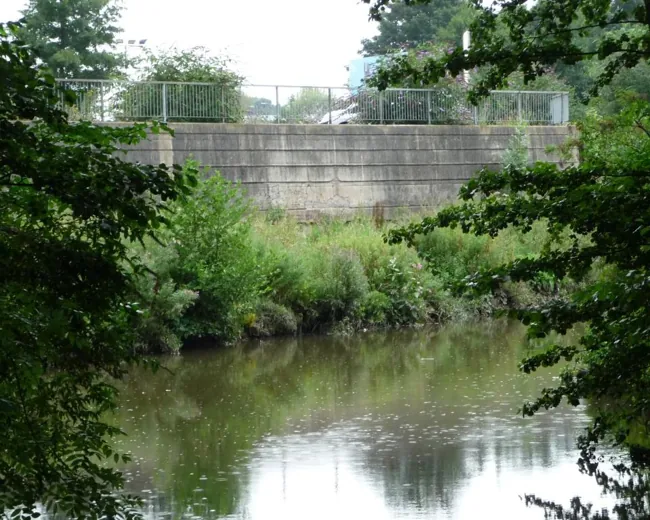
A riparian buffer is a vegetated area beside a stream or other water body that helps connect land and water. Learn what it can do, how it differs from a wetland, and what to consider before changing one.
Climate change affects water quantity, timing and quality, including the chemistry of the ocean. This guide separates those documented connections from reef-specific claims and suggests what readers can do with the distinction.
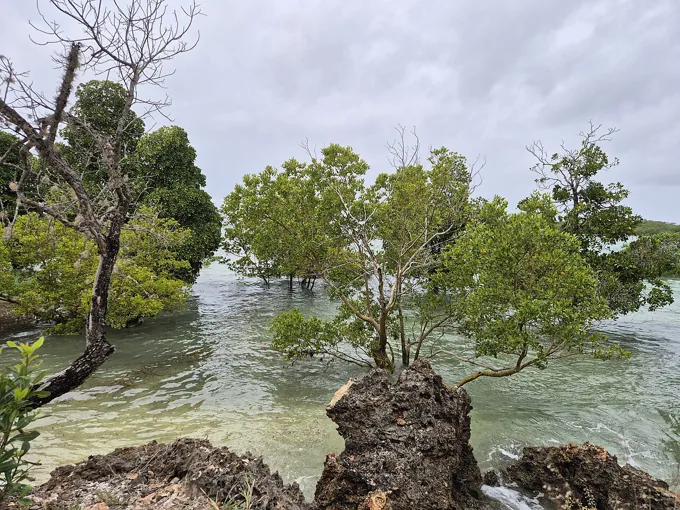
Blue carbon is carbon stored in coastal and marine ecosystems, especially in their plants and soils. Protecting those habitats can preserve carbon stores while supporting water quality, wildlife and flood protection.
Stormwater runoff is rain or meltwater that flows over land instead of soaking in; learn how surfaces, soil, and drainage shape where it goes and what it carries.
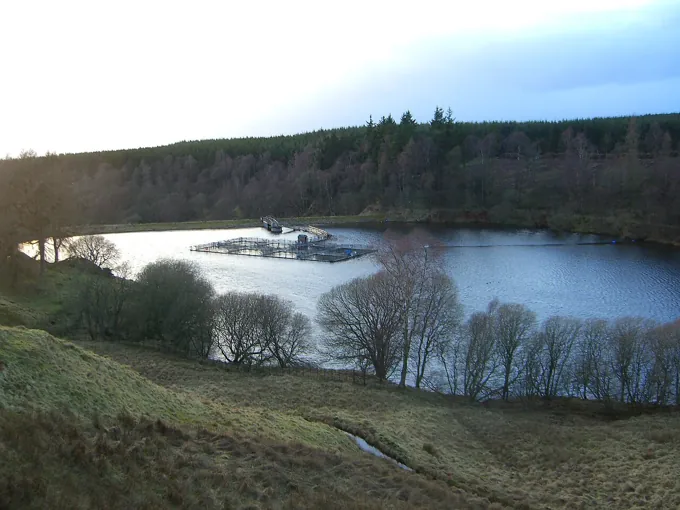
Groundwater is stored and moves below ground in pores and cracks; surface water is visible in rivers, lakes, wetlands and reservoirs. Their paths differ, but they connect through recharge, springs and streamflow.
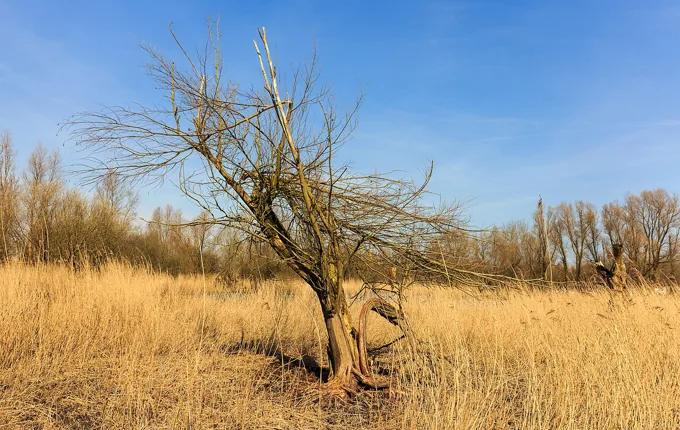
 tree day