tree day
Guide
What is stormwater runoff?
Stormwater runoff is rain or meltwater that flows over land instead of soaking in; learn how surfaces, soil, and drainage shape where it goes and what it carries.
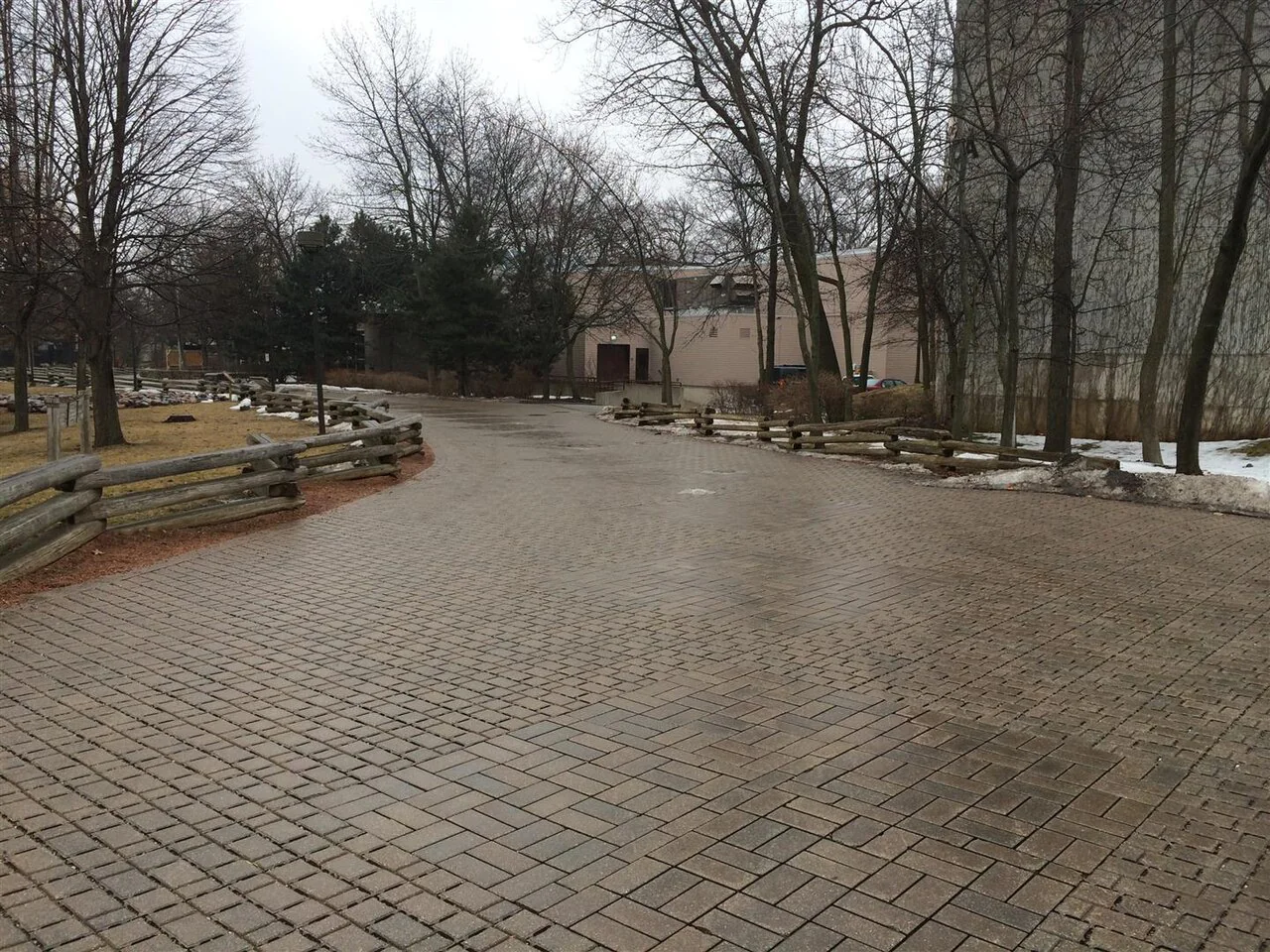
When rain runs off a driveway toward a storm drain instead of disappearing into the ground, you are seeing stormwater runoff. It is water moving across the land surface after precipitation or snowmelt. Some runoff is natural, but roofs, roads, and compacted soil can make more water move quickly, carrying sediment and pollutants toward streams, lakes, and other low places.
From rainfall to a moving flow
Rain that reaches the ground can follow several paths. It may evaporate, be taken up by plants, soak into soil, or flow downhill. The USGS describes runoff as one of the ways water moves across Earth's surface, alongside infiltration into the ground and groundwater recharge. [1] Which path dominates depends on rainfall, slope, soil condition, vegetation, and how much of the surface is covered or compacted.
A light shower on loose, vegetated soil may have time to infiltrate. A heavier storm, frozen ground, saturated soil, or a paved surface can leave more water moving overland. Runoff is not automatically harmful: streams depend on flows from their watersheds. Problems arise when water arrives too quickly, in excessive volume, or with contaminants.
Why built surfaces change the route
Pavement and rooftops interrupt the contact between rainfall and soil. Water that would have soaked into the ground may instead move along gutters, driveways, curbs, and drains. Compacted lawns and construction-disturbed soil can also reduce infiltration. The combined effect can be faster delivery of water to low areas and channels.
That speed matters because moving water can erode soil and increase the amount reaching a stream during a short period. EPA notes that wetlands can store surface water and slow floodwaters, and that wetlands in and downstream of urban areas can counter the increased rate and volume of runoff from pavement and buildings. [2] This is one reason the shape and condition of the whole watershed matter, not just the property where rain falls.
Runoff can carry a neighborhood's residue
As water travels, it can pick up loose soil, leaves, litter, pet waste, oil residues, fertilizers, pesticides, and other materials. The USGS explains that runoff can carry chemicals, sediment, and sewage into rivers and lakes, affecting water quality and habitats. [1] What it carries depends on the land uses and materials along its route.
A practical example is a driveway rinse: hosing dust or lawn chemicals toward the curb moves them into the drainage network. Sweeping instead keeps debris out of the flow. EPA recommends sweeping driveways, sidewalks, and steps rather than hosing them off as a household water-saving step. [3] That small choice reduces unnecessary water use and avoids sending loose material toward drains.
Follow where the drain leads
A storm drain is usually designed to move water away from streets and properties; it does not necessarily send water through the same treatment process as wastewater. The route depends on local infrastructure. If you want to know where a particular drain discharges, consult the city or stormwater utility rather than assuming it reaches a treatment plant.
Runoff also connects to groundwater and surface water in different ways across landscapes. Water that infiltrates can contribute to soil moisture and groundwater recharge, while surface flow can enter streams or wetlands. [1] Because these pathways are connected, keeping contaminants out of runoff is a useful everyday practice even when the final destination is not obvious.
Read the site before changing it
If water regularly pools or rushes across a property, observe the path during rain before altering grades or drains. Note where it begins, where it concentrates, and whether soil is already saturated. Any work that changes drainage can affect neighbors or utilities, and local stormwater rules may apply. A next step is to ask the local public works department how nearby storm drains connect and what household practices it recommends.
Follow the evidence
Primary sources used in this story. Practical examples are illustrative unless a source states otherwise.
Read our editorial standards. Have a correction? Identify the article and relevant source in your feedback to the site owner.