tree day
Environment news · Development: 28 Oct 2026
Armenia and UNEP launch mountain and freshwater cooperation platform
Armenia and UNEP launched the Yerevan Platform on 28 October to connect mountain countries, downstream nations and partners working on conservation and restoration.
Yerevan, Armenia
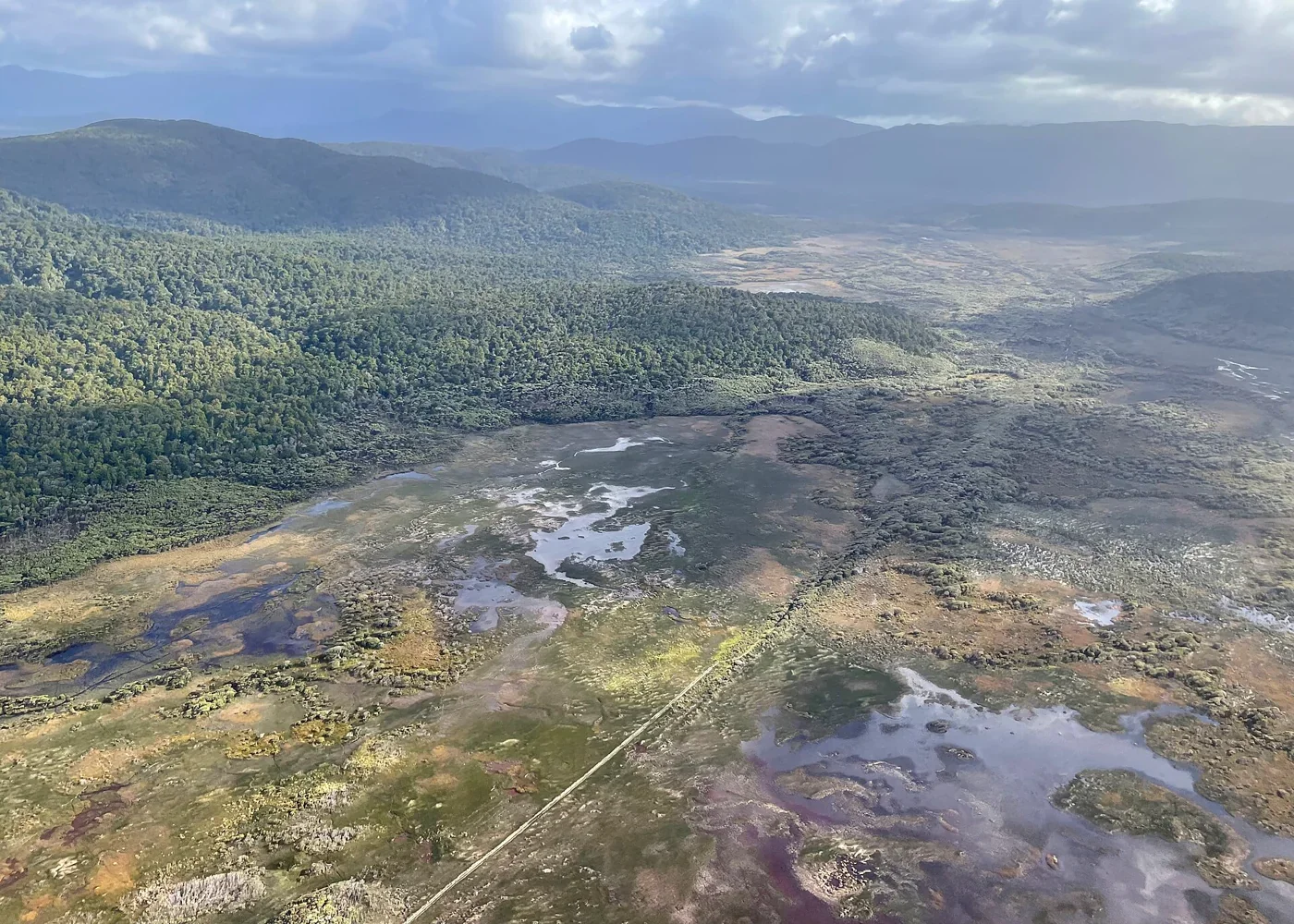
Armenia and the UN Environment Programme launched the Yerevan Platform on Mountains and Related Freshwater Ecosystems on 28 October during COP17. The initiative is designed to connect mountain countries, downstream nations and partners around conservation, restoration and shared support needs. Its launch establishes a cooperation initiative, with practical work to follow. [1]
What was launched in Yerevan
The Republic of Armenia, acting as president of the Convention on Biological Diversity’s COP17, launched the platform in partnership with UNEP during the conference’s high-level segment. The initiative is intended to accelerate conservation and restoration of mountains and related freshwater ecosystems. It is one of four flagship initiatives of the Armenian COP17 presidency. [1]
The platform is designed to bring mountain countries and downstream nations together in recurring dialogue, identify where support, funding and expertise are needed, and provide practical assistance where resources allow. The announcement describes intended functions and future work. It does not report completed restoration, a new water supply or measured improvements in preparedness. [1]
Why upstream and downstream belong together
Mountains and their freshwater systems influence the timing and availability of water beyond their boundaries. UNEP’s announcement describes them as supplying water, food and climate stability to more than a billion people, and says mountains and related freshwater ecosystems provide 55–60 percent of global annual freshwater flows. Such figures explain why their condition matters widely, but they do not mean every downstream community receives the same benefit or faces the same risk. [1]
A hypothetical watershed makes the governance problem concrete. A mountain community might depend on pasture and local streams, while a downstream city relies on the river for drinking water and farms depend on irrigation. A land-use choice that affects runoff or erosion can have different consequences for each group. Planning across the watershed can expose those links; it cannot eliminate conflicts over who bears costs, whose knowledge counts or how water is allocated.
A platform is a place to coordinate, not a watershed authority
The Yerevan Platform is described as a mechanism for dialogue, technical support and exchange, building on existing frameworks and regional initiatives. UNEP says partners will respond to requests from countries rather than impose a one-size-fits-all model, where resources permit. The initiative is also expected to support policy implementation and connect countries with relevant partners and pathways. [1]
That design could help countries share experience, identify gaps and match expertise to local priorities. But coordination is only useful if it changes decisions on the ground. The announcement does not establish a new authority over rivers or promise that participating governments will adopt identical rules. Local institutions, national plans and cross-border relationships will determine how discussions translate into practice.
Who gets a seat shapes the outcome
Mountain landscapes are lived-in places, not empty water infrastructure. The launch announcement highlights Indigenous Peoples, local communities and pastoralists, including their knowledge and leadership. It notes that livestock mobility can be an adaptation to variable conditions and that restrictions on access to ancestral land can undermine established ways of caring for rangelands. [1]
A shared platform must therefore make room for people who use and steward mountain landscapes as well as downstream governments and technical agencies. In a hypothetical consultation, a map of water infrastructure might miss seasonal grazing routes or culturally important places. Listening early can change which options are considered and who benefits. Participation is meaningful only when rights-holders can influence choices, rather than being asked to endorse a finished plan.
How to judge what happens next
The announcement says the platform will be strengthened through regular high-level dialogues alongside major biodiversity meetings. Partners may provide technical support in response to country requests, and progress is to be reviewed with an update at CBD COP18. It also points to the Bishkek +25 Second Global Mountain Summit planned for October 2027 as an opportunity to take stock of implementation gaps. These are planned steps, not outcomes already achieved. [1]
A useful measure of progress will be whether participating countries identify specific needs, include mountain and freshwater priorities in plans and budgets, and support communities in ways suited to each region. The platform’s value will depend on whether cooperation becomes sustained work and whether people most affected can see and shape it. Readers can follow future updates by looking for documented actions and local results, not launch announcements alone.
Follow the evidence
Primary reporting and background sources. Event dates and publication dates are shown separately above.
Read our editorial standards. Have a correction? Identify the article and relevant source in your feedback to the site owner.