tree day
Guide
What causes drought?
Drought develops when water supply falls short of demand over time; precipitation, heat, soils, stored water, and timing all shape how it affects a place.
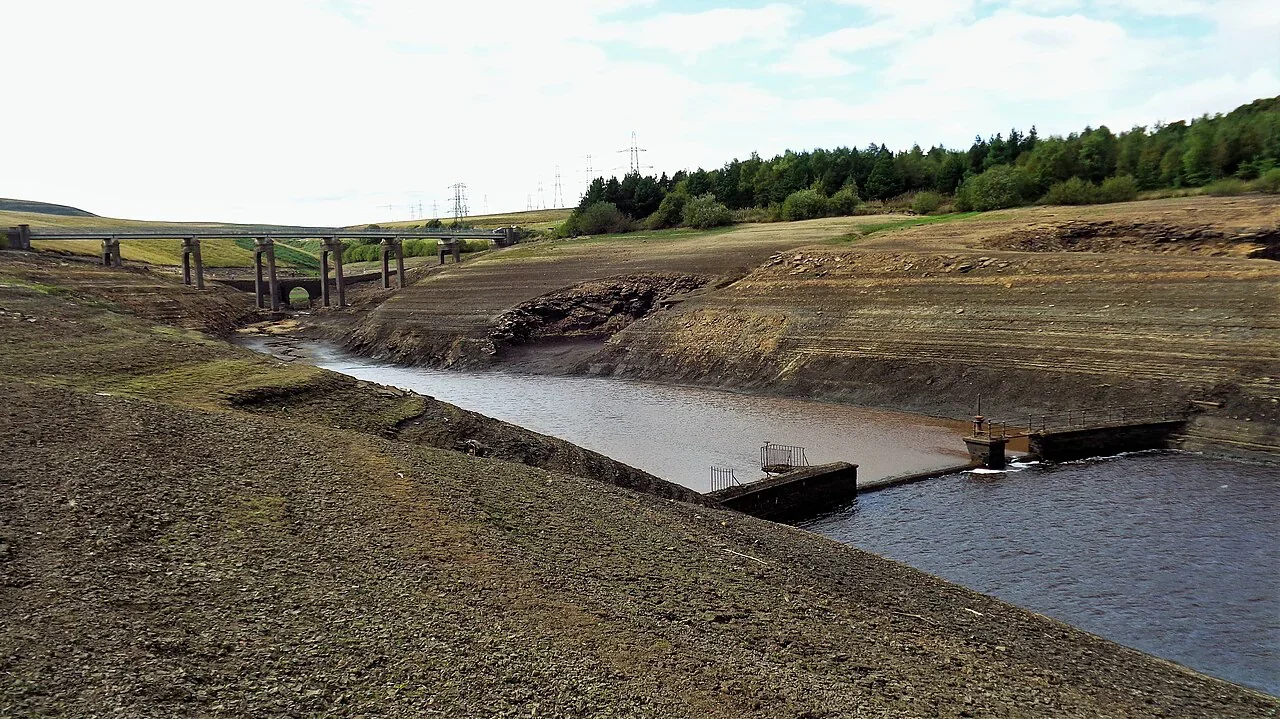
Drought begins when a place receives less water than it needs for long enough to strain people, ecosystems, or agriculture. A dry spell is one ingredient, but drought is not simply a stretch without rain: temperature, soil moisture, snowpack, reservoirs, groundwater, and water demand all influence how severe and persistent shortages become. Its effects can emerge at different times in different parts of the same region.
A rainfall shortfall is only the start
Below-normal precipitation can reduce moisture in soil and streams, but the result depends on what was stored beforehand and when water is needed. A dry winter may leave less snow available to melt into streams in spring. A dry growing season can stress crops and vegetation even if annual rainfall looks closer to normal. Timing matters because water arriving after a critical need may not make up for an earlier shortage.
The USGS describes water availability as depending on quantity, timing, and quality across the water cycle. It also notes that climate change is affecting precipitation patterns and the frequency, intensity, and length of extreme events such as droughts. [1] These are broad processes; they do not tell a reader whether a particular local week will be dry.
Heat can deepen the deficit
Warm conditions can increase evaporation from soil and water and increase the amount plants release to the air through evapotranspiration. When moisture leaves a landscape faster while rainfall remains limited, soils can dry sooner and water demand can rise. This means two places with similar rainfall can experience different stress if one is hotter, windier, or has less water stored in soil and reservoirs.
The water cycle moves water among surface, atmosphere, and underground stores, with solar energy driving evaporation and gravity moving water downhill. [1] Drought reflects an imbalance across those stores and flows, rather than a simple absence of clouds.
Different kinds of shortage show up at different times
A meteorological drought describes a precipitation deficit. Agricultural impacts may appear as soil moisture becomes insufficient for crops or pasture. Hydrological drought can show up later as reduced streamflow, reservoir levels, or groundwater. These categories are related, but they do not necessarily begin or end together. A storm may briefly ease dry surface conditions while deeper stores remain depleted.
Water quality can also become harder to manage when supplies are low. The USGS notes that water availability depends not only on quantity and timing but also on how clean the water is. [1] Reduced flow can change the conditions under which communities and ecosystems receive water, though local effects vary and should be assessed by relevant water managers.
Demand and storage shape consequences
A drought affects a community differently depending on how it uses water and what reserves it can access. Household efficiency can reduce avoidable demand: EPA recommends fixing leaks, using full laundry loads, and adjusting outdoor watering to landscape needs and local conditions. [2] Those actions can help conserve supplies, but household measures alone cannot resolve a regional shortage caused by persistent low inflows or heavy demand.
For a hypothetical household, fixing a leaking irrigation line and avoiding unnecessary lawn watering can reduce its own use while a local drought continues. The practical value is lower demand at the margin, not a guarantee that the watershed will recover. Follow local water-provider guidance when restrictions or conservation requests are in effect.
Use local information for the next decision
Drought is measured and managed at regional scales, so consult local water utilities, agricultural agencies, or official drought information for current conditions and restrictions. A useful first step at home is to check for leaks and review outdoor water use, then follow the advice issued for your specific service area.
Follow the evidence
Primary sources used in this story. Practical examples are illustrative unless a source states otherwise.
Read our editorial standards. Have a correction? Identify the article and relevant source in your feedback to the site owner.