tree day
Guide
Coral reefs and climate change?
Climate change affects water quantity, timing and quality, including the chemistry of the ocean. This guide separates those documented connections from reef-specific claims and suggests what readers can do with the distinction.
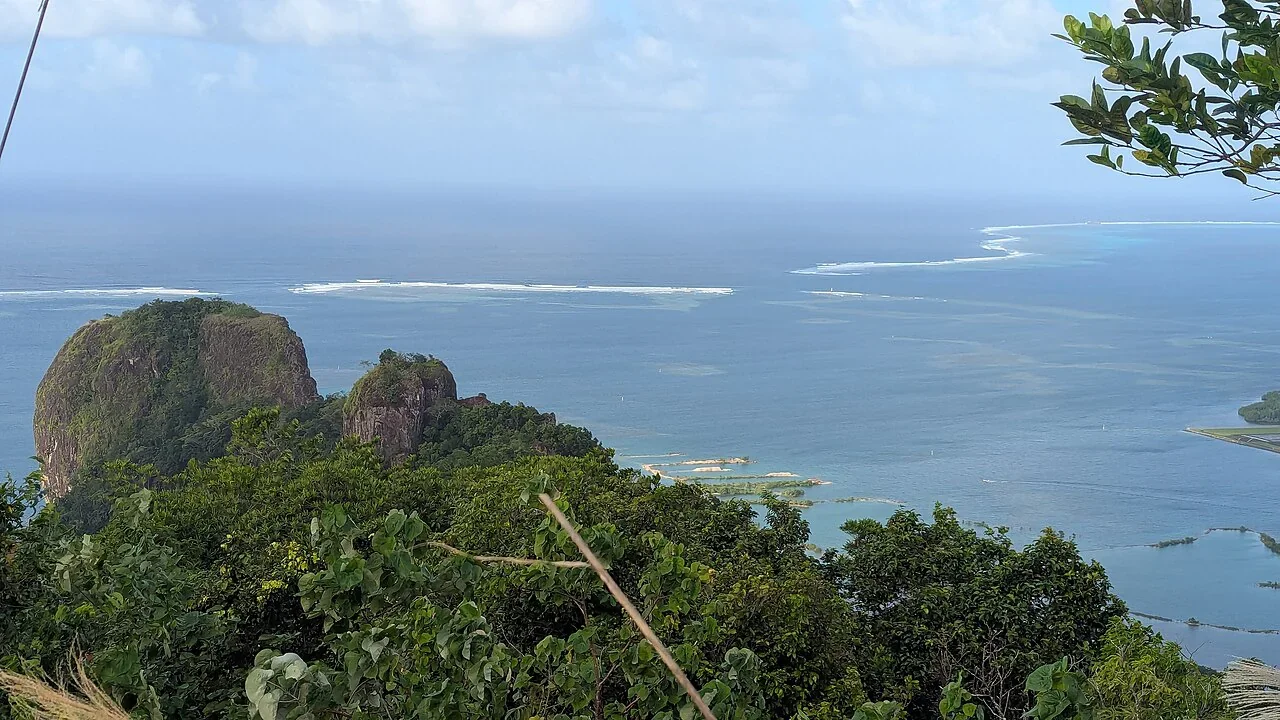
Climate change matters to coral reefs because it changes the conditions of the water they inhabit. The USGS overview says climate change is affecting the water cycle and ocean sea levels, and that ocean acidification damages the shells and skeletons of many marine organisms. That is a clear connection, but it is not a complete account of every pressure on reefs or a forecast for a particular place. [1]
Start with water conditions
The water cycle is more than rain. Water moves among the atmosphere, land, surface waters and groundwater, changing form and location along the way. Human activity and climate change affect where water is stored, how it moves and how clean it is. In oceans, the USGS identifies ocean acidification as a climate-related water-quality effect that damages shells and skeletons of many marine organisms. [1]
For a reader asking about reefs, this means climate change is relevant through the conditions of the marine environment. The source does not quantify how a specific reef will respond, nor does it provide a local outlook. It is useful to keep the distinction between a documented mechanism and a location-specific impact: the former is supported here; the latter requires local evidence.
Sea level changes the coastal setting
The USGS also reports that climate change is raising ocean sea levels, leading to coastal flooding. That matters to people and habitats along coasts, although this source does not say how a particular reef will fare as water levels change. A reef question can therefore overlap with a broader coastal question about flood exposure, shoreline development and wetlands. [1]
Wetlands provide a related but distinct set of functions. EPA says wetlands can store floodwaters, maintain surface water flow in dry periods, improve water quality, and provide habitat. Some coastal wetlands and marine organisms are connected in food webs and habitat relationships. Protecting nearby wetlands can be relevant to a coastal landscape, but it should not be presented as a direct substitute for reducing climate pressures on reefs. [2]
What a general source can establish
A broad water-cycle overview is useful for understanding mechanisms: climate affects water quantity, timing and quality; runoff can transport sediment and contaminants; and changing water conditions can influence ecosystems. It is not a reef monitoring report. It supplies no reef temperature record, bleaching observation, local species count or projection, so those details should not be added as if they were verified by this evidence. [1]
This distinction helps avoid two common errors. One is to treat all climate effects as a single local event prediction. The other is to interpret a general mechanism as proof that a specific site has already changed in a particular way. For a local decision, seek monitoring and guidance from relevant marine science or coastal agencies, and note the date and area covered by their information.
A hypothetical coastal decision
Imagine a town reviewing a shoreline plan that includes a reef area and nearby wetland. A sound discussion would ask separately what is known about sea-level exposure, what habitat relationships the wetland supports, and what water-quality pressures arrive from the watershed. Those questions use the available evidence without claiming that one measure solves every issue. The USGS notes that runoff can carry sediment and pollutants into rivers and lakes; EPA describes wetlands’ water-quality and habitat roles. [1] [2]
The trade-off is that broad conservation language can sound reassuring while obscuring what a project can actually achieve. Ask a project team to name its objective and the evidence it will use to assess progress. A habitat protection effort, a flood-risk measure and a climate mitigation action are not interchangeable simply because each concerns the coast.
Make the next choice specific
If you are planning a visit, volunteer activity or local advocacy, first identify the place and decision: reef condition, coastal flooding, wetland protection or watershed pollution. Then consult the appropriate local or scientific source for that question. Follow official local guidance for coastal hazards and emergencies; a general article cannot tell you whether conditions are safe on a particular day.
For a household action, reducing wasteful water use can help conserve water and the energy used to deliver, treat and heat it, according to EPA WaterSense. That does not directly establish a reef benefit for any one household, but it is a concrete resource choice. For a reef-focused effort, the most useful next step is to support a locally grounded program with a clearly defined habitat or water-quality goal. [3]
Follow the evidence
Primary sources used in this story. Practical examples are illustrative unless a source states otherwise.
Read our editorial standards. Have a correction? Identify the article and relevant source in your feedback to the site owner.