tree day
Guide
What is the water cycle?
The water cycle is water moving among the atmosphere, land, oceans and underground stores, changing form along the way. Sunlight and gravity drive its flows, while human activity can alter timing, storage and quality.
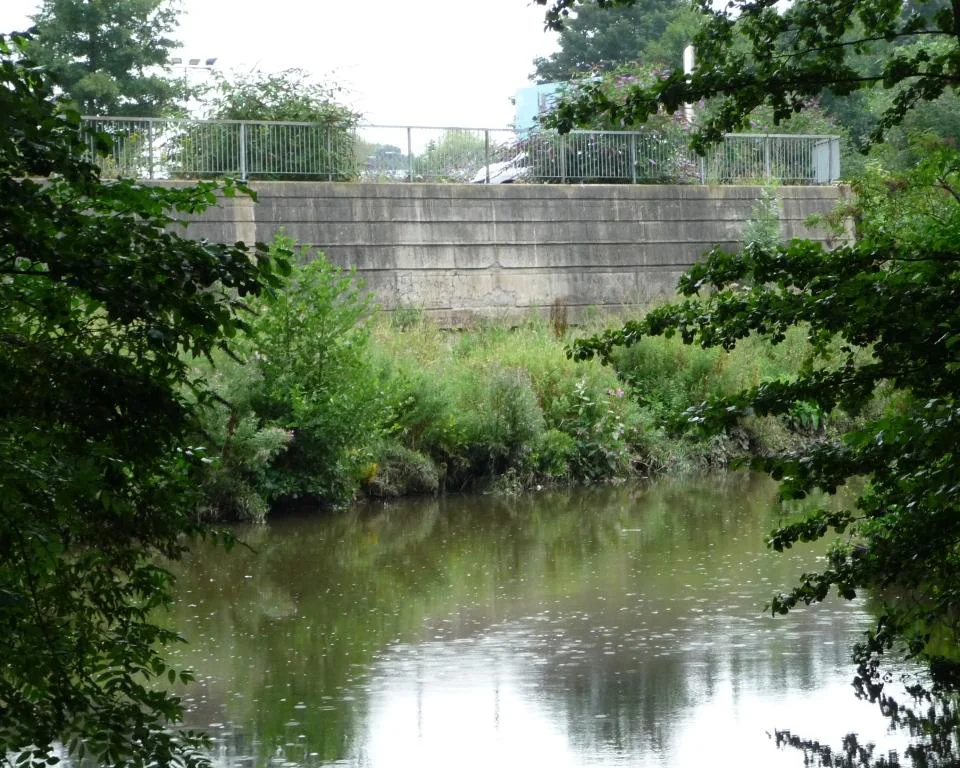
Water disappearing from a puddle has not vanished; some has evaporated into the air, while some may soak into the ground or flow away. The water cycle describes these ongoing movements among the atmosphere, land, oceans and underground storage. Water may be liquid, ice or vapor as it travels, and it can take very different routes before returning to a place people recognize as rain, a stream or a spring.
A cycle with many storage places
The water cycle is not a neat loop in which every drop follows the same sequence. Water is stored in oceans, lakes, rivers, wetlands, ice and snow, soil, groundwater and the atmosphere. It moves between these “pools” at different rates. The U.S. Geological Survey explains that water can be fresh or salty and can exist as a liquid, solid or gas. [1]
An individual water molecule might spend a short time in the air or much longer in an underground aquifer, glacier or ocean. The cycle is a way to describe the movement and storage together, not a promise that water will quickly return to the place it left. That distinction helps make sense of why a rainy week does not necessarily replenish a deep groundwater supply immediately. [1]
Sunlight lifts water; gravity brings it down
Energy from the sun causes liquid water to evaporate into water vapor. Plants also release water to the atmosphere through transpiration; together, evaporation from land and water and plant transpiration are often described as evapotranspiration. Vapor cools and condenses into clouds, and precipitation returns water to Earth as rain, snow or other forms. [1]
Gravity then moves water downhill. Rain or melting snow can flow over the ground as runoff, gather into streams and continue as streamflow. Some water infiltrates soil and can recharge groundwater. The balance among these routes depends on conditions at the time and place: a steep paved surface, a forest floor and frozen ground will not handle the same rainfall in the same way.
One rainstorm, several possible routes
Picture a storm over a neighborhood. Water landing on a roof may run into a gutter and downspout. Water on a lawn may soak into the soil, run toward a low spot, or be taken up by plants. Water reaching a stream moves downstream; some may later enter a lake or the ocean. Underground, infiltrated water may move through soil and rock, and groundwater may eventually return to a stream or spring. [1]
This is a useful mental model, but the route is not always visible. Drainage pipes can carry water beneath streets, while groundwater moves out of sight. A raindrop also does not have to complete every stage. It may evaporate directly from a wet surface, remain frozen as snow, or be stored in a reservoir before moving on. The cycle is continuous because water keeps exchanging between stores.
People change the routes and the timing
Human water use and land use affect where water is stored, how it moves and how clean it is. Dams can hold river water in reservoirs; groundwater pumping removes water from aquifers; draining wetlands changes a landscape’s storage. Urban and agricultural runoff can carry sediment and contaminants to rivers and lakes. These actions change parts of the cycle without stopping it. [1]
Climate change also affects water quantity and timing, including precipitation patterns and the frequency, intensity and length of extreme events such as floods and droughts. That does not make the cycle a simple forecast tool: the broad process explains how water moves, while a local outlook requires local weather information. The useful takeaway is that storage and timing matter alongside total rainfall. [1]
Why water availability is more than rainfall
A community can have water nearby and still face constraints. Availability depends on how much water is in a given store, when and how quickly it moves, and whether its quality suits the intended use. A river may run low during a dry period; groundwater may be present but difficult to access; a source may need treatment before use. The USGS frames availability in terms of quantity, timing and quality. [1]
For everyday decisions, follow one local water route. Notice where roof runoff goes, whether a nearby stream rises after rain, or how your utility describes its source. If you are considering capturing rainwater or using greywater, check local guidance first because collection and reuse rules vary. A good next step is to identify which store—surface, soil, groundwater or reservoir—your household depends on.
Follow the evidence
Primary sources used in this story. Practical examples are illustrative unless a source states otherwise.
Read our editorial standards. Have a correction? Identify the article and relevant source in your feedback to the site owner.