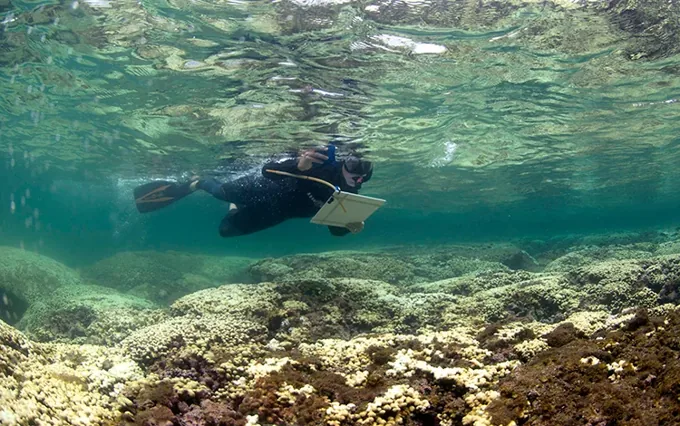
The ocean is warming because it absorbs much of the excess heat trapped by human-driven climate change. Ocean circulation redistributes heat, while the resulting changes affect marine ecosystems and coastal conditions over time.
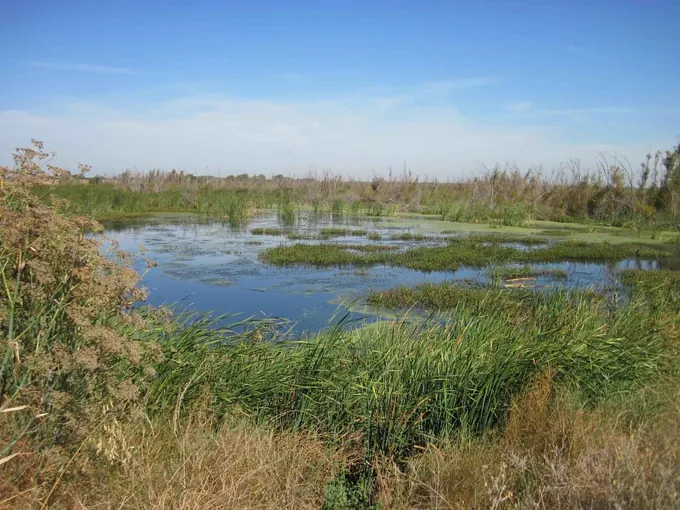
A wetland works through the interaction of shallow water, saturated soils, plants and wildlife. Together they can slow and store water, support food webs and influence water quality, with results shaped by local conditions.
Read a water quality report by checking what water and location it covers, which measurements were taken, and what the results mean for your intended use. A report is a dated snapshot, not a universal safety guarantee.
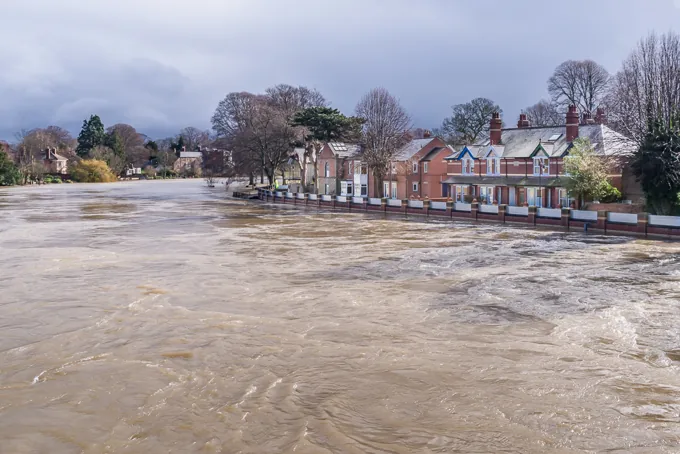
Rivers flood when water entering a channel exceeds what it can carry, often after heavy rain or snowmelt; watershed shape, land cover, and floodplain storage affect the outcome.
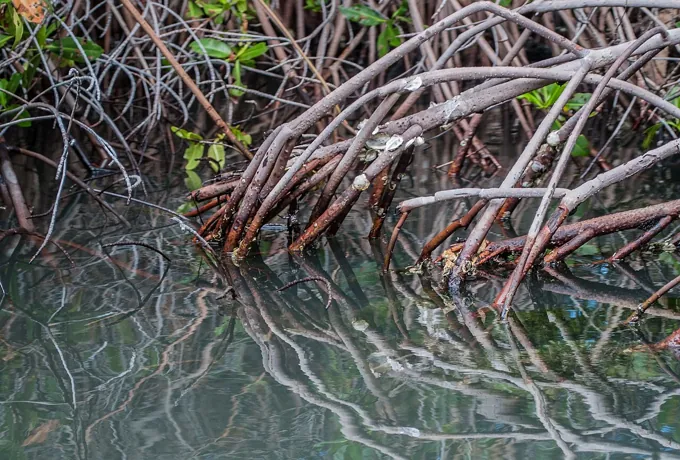
Mangroves matter because coastal wetlands connect habitat, water quality and shoreline protection. Here is how those benefits work, what they can and cannot do, and how to make a useful local choice.
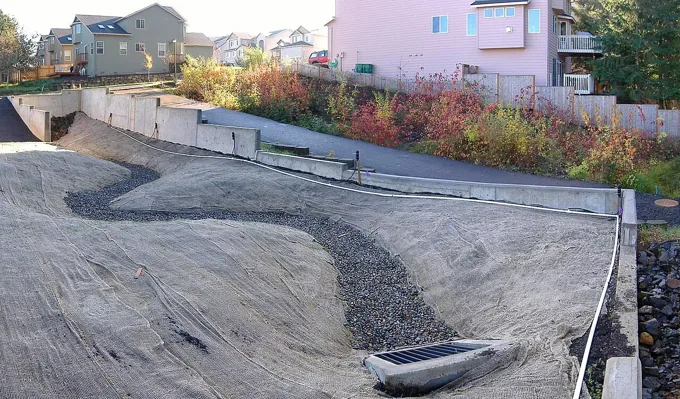
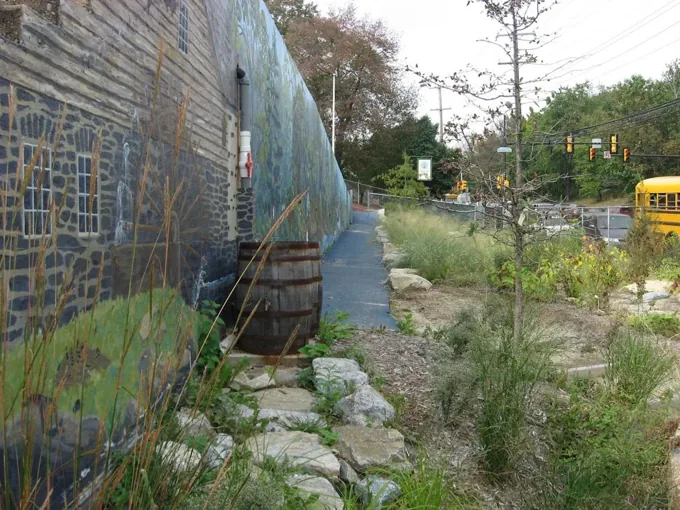
A sustainable drainage system manages rain close to where it falls, using storage, infiltration or slower release to reduce fast runoff. Understand its purpose, limits and the local checks to make before building one.
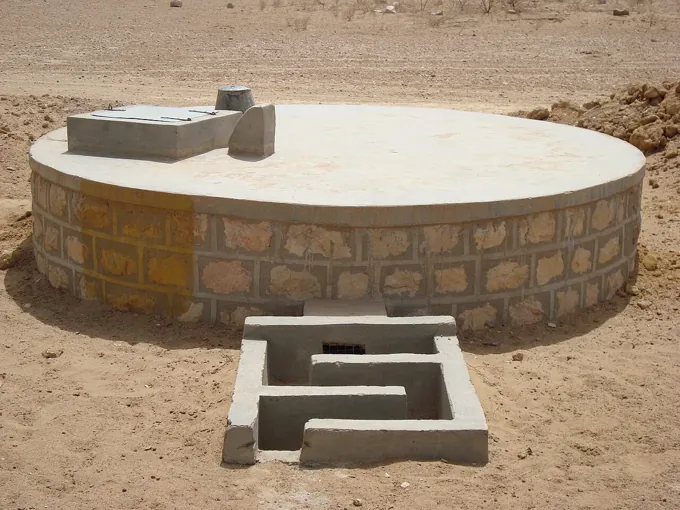
A practical introduction to collecting roof runoff: how a simple system works, what to consider before installing one, and how to match storage to a useful purpose.
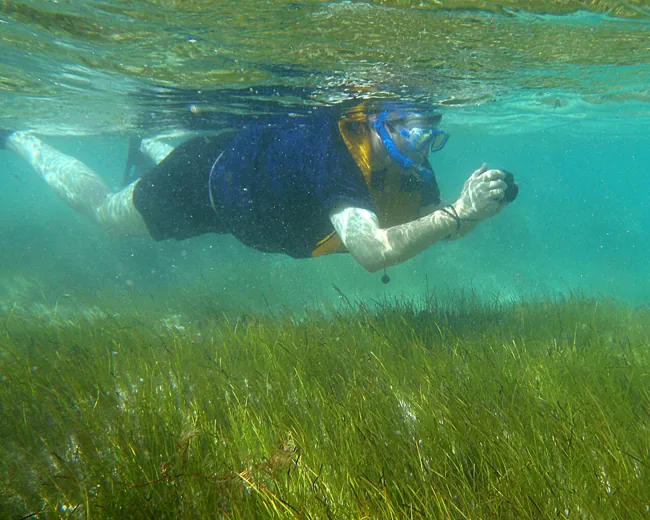
Seagrass grows underwater, but its value is best understood through the broader roles of wetlands: habitat, water quality, flood storage and watershed connections. Learn what those roles suggest and what to check locally.
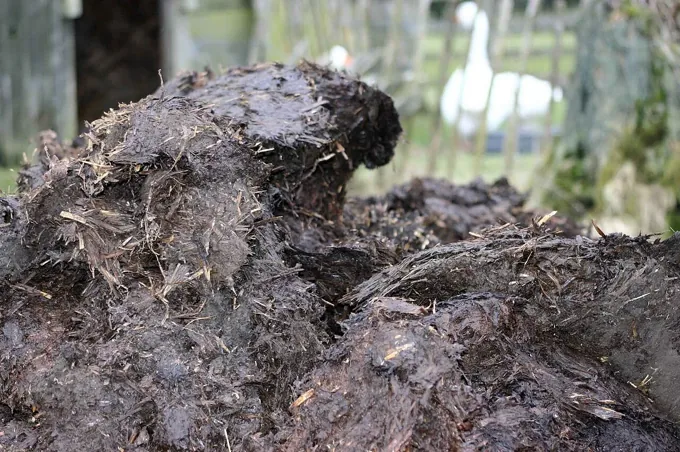
Healthy soil can absorb and store more rain because its pores, roots and organic matter create pathways and spaces for water. Learn how to recognize the difference between useful retention and poor drainage.
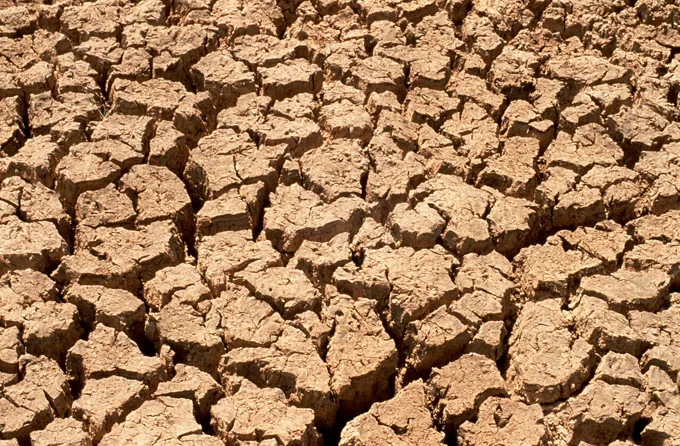
Drought describes a prolonged shortfall of precipitation; water scarcity describes whether people can reliably access enough usable water. Knowing the difference helps identify whether a problem is temporary, structural, or both.
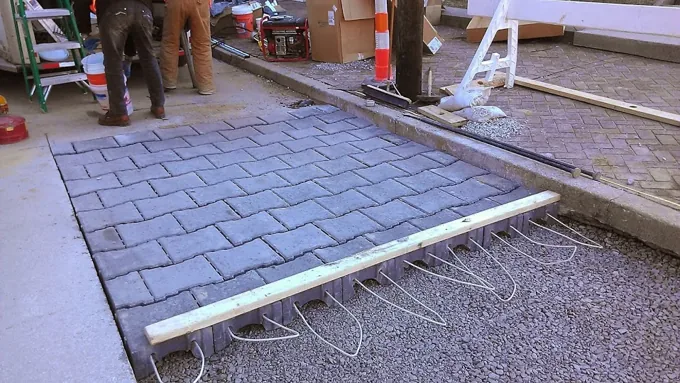
Permeable paving lets some rainfall pass through joints or pores into a prepared base, while conventional concrete sheds most water; compare drainage, upkeep, loading, and site conditions.
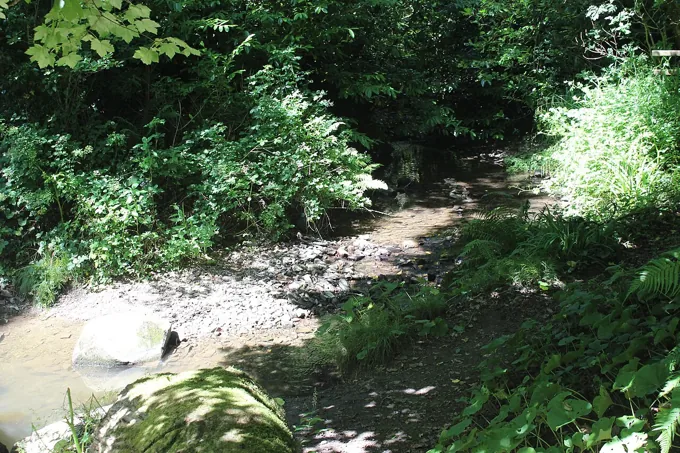
Protect a stream by focusing on what enters it, how quickly runoff reaches it, and whether nearby wetlands and vegetation remain connected. Start with observation and local guidance before attempting changes in or near the channel.
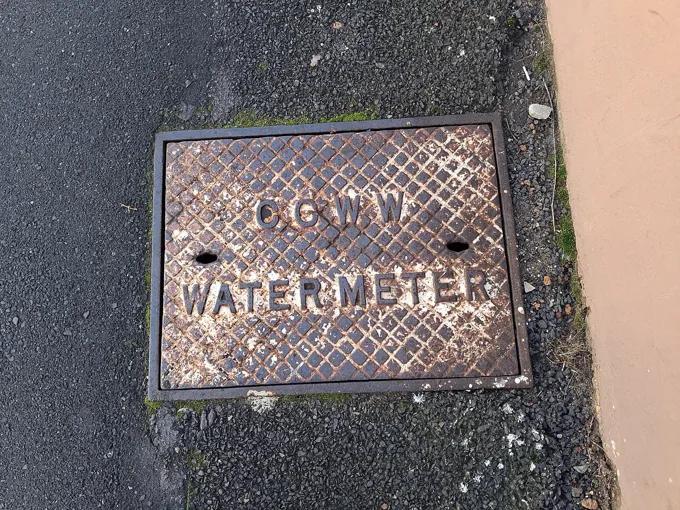
Look for moisture, sounds and unexplained water use, then isolate fixtures methodically. A meter check can help identify continuous flow, but the utility or a qualified plumber may be needed to locate a hidden leak.
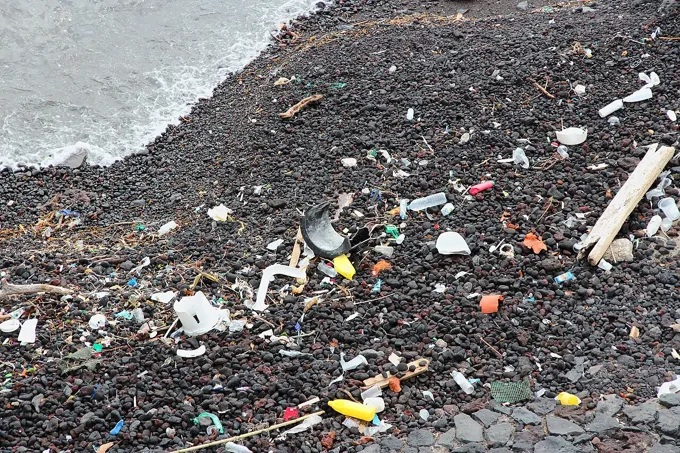
Plastic can travel from streets and yards through storm drains, streams and rivers before reaching coastal waters. Preventing that journey means reducing litter and keeping loose waste out of runoff pathways.
Greywater and rainwater come from different places and suit different jobs; compare their sources, handling needs, and local rules before choosing a reuse system.
 tree day