tree day
Guide
How plastic reaches the ocean?
Plastic can travel from streets and yards through storm drains, streams and rivers before reaching coastal waters. Preventing that journey means reducing litter and keeping loose waste out of runoff pathways.
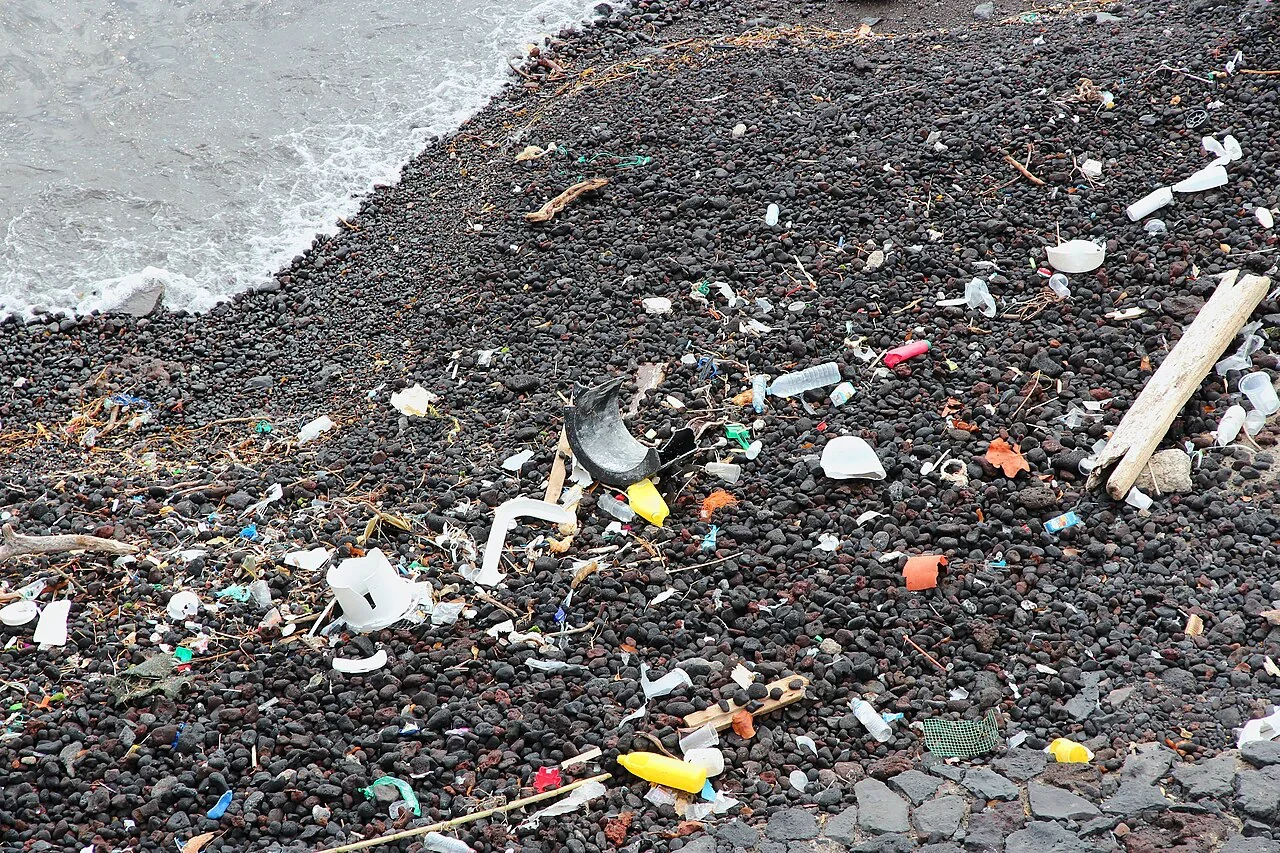
A plastic wrapper dropped beside a curb can move much farther than the next block. Rain and irrigation push loose litter into gutters, where stormwater carries it toward drains and waterways. From there, streams and rivers connect inland places to the coast. The route is not inevitable, but it helps explain why ocean plastic begins in ordinary places far from a beach.
The route begins on land
Plastic reaches the ocean through several pathways, but land-based movement is easy to picture. A lightweight bag, food wrapper or bottle cap left outdoors can be carried by wind or water. Rain moves material downhill across yards, parking areas and roads; runoff then enters a drain, ditch or stream. Once plastic enters flowing water, it can travel downstream and eventually reach an estuary or the sea. [4]
The USGS explains that water moves across land as runoff and streamflow, through groundwater recharge, and between surface and underground stores. It also notes that human activities affect where water is stored and how it moves. [1] Those pathways help describe how loose material can be transported, although the references do not quantify how much plastic follows any particular route.
Storm drains connect neighborhoods to waterways
A storm drain is part of a drainage network, not a disposal bin. Depending on local design, runoff may travel through drains and channels toward a nearby stream, lake or coastal water. Plastic can be swept along with other material, caught temporarily in vegetation or grates, or left behind when water slows. A later storm may move it again.
Imagine a hypothetical takeaway cup blowing from a parking lot into a gutter before a storm. Water carries it to a drain, then into a creek that joins a river. That chain depends on local infrastructure and weather, but it shows why litter control near streets and waterways matters. EPA describes wetlands as part of watershed systems where water, sediments and dissolved materials drain toward a common outlet. [3] The same connected landscape can carry floating waste toward the coast.
Rivers carry more than what floats
Some plastic is visible on the surface, but not all debris stays there. Water can push material along banks or into floodplains, and fragments may become mixed with sediment or vegetation. Plastic can also break into smaller pieces under physical and environmental wear. A piece that is no longer easy to see has not necessarily disappeared.
The source texts provided here establish water movement through runoff, streamflow and watersheds, but they do not describe plastic breakdown rates or quantify ocean inputs. [1] The useful distinction is between removal and relocation: litter carried out of sight may still be present downstream. A cleanup that gathers visible debris is valuable, yet preventing fresh litter from entering the drainage route reduces the material available to move in the first place.
How to interrupt the journey
Keep lightweight waste secured until collection, use reusable items when they fit your routine, and pick up litter near a drain or stream when it is safe to do so. If you organize a cleanup, follow local guidance for handling sharp or hazardous waste rather than touching it. Keep bags and loose yard material from washing into gutters, and use a bin with a lid where wind could scatter contents.
At home, sweeping paved areas instead of hosing them reduces the water carrying loose material into drains; EPA WaterSense recommends sweeping driveways, sidewalks and steps. [2] The point is not that one household action solves ocean plastic. It removes a local link in a chain that can otherwise connect a street to a river.
Follow the pathway where you live
Drainage patterns are local. A curb may lead to a creek, a treatment system, an infiltration area or another route, and not all stormwater is handled the same way. Look for local stormwater information or ask your municipality how street drains connect to nearby waterways. That knowledge helps you choose the most useful cleanup site and learn how to report recurring litter or a blocked drain.
For a practical start, secure the next piece of loose plastic you see before wind or rain can move it. Then check whether your neighborhood has a storm drain marking or cleanup guidance. The closer prevention happens to the source, the less opportunity plastic has to enter the watershed’s moving water.
Follow the evidence
Primary sources used in this story. Practical examples are illustrative unless a source states otherwise.
- USGS: Water Science School ↗
- US EPA WaterSense: Start saving ↗
- US EPA: Why wetlands are important ↗
- NOAA Ocean Service: What are microplastics? ↗
Read our editorial standards. Have a correction? Identify the article and relevant source in your feedback to the site owner.