tree day
Guide
How does a wetland work?
A wetland works through the interaction of shallow water, saturated soils, plants and wildlife. Together they can slow and store water, support food webs and influence water quality, with results shaped by local conditions.
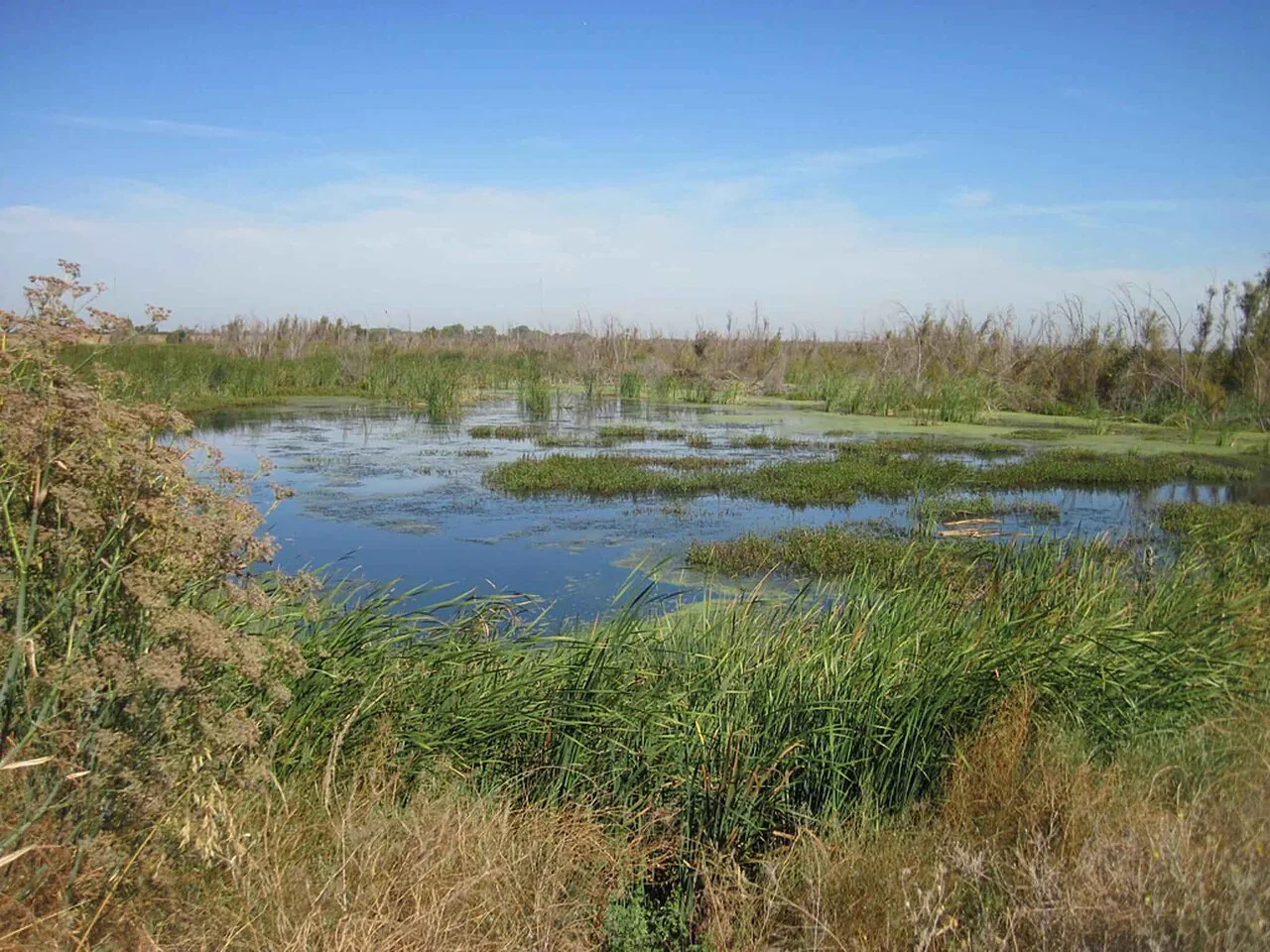
A wetland does more than hold a pool of water. Shallow water, saturated soil, plants and microorganisms interact to shape how water moves through a low-lying landscape. Vegetation can slow floodwater, while roots and soils hold water and provide habitat. The details differ from one wetland to another because climate, geology, landscape shape and water supply determine which organisms can thrive and what functions the wetland can perform.
Water and land overlap
Wetlands occupy places where water is present at or near the land surface often enough to shape the environment. That may mean standing water, saturated soil, or seasonal flooding; a wetland need not look like a permanent pond. Its character depends on where water comes from and how it moves through the landscape. The U.S. Environmental Protection Agency notes that climate, topography, geology and the abundance and movement of water help determine wetland plants and animals. [1]
This variation is why a marsh, swamp and wet meadow can look very different. A coastal wetland and an inland wetland also sit in different settings. The useful starting question is not simply whether you can see water today, but how the site’s water levels and soils behave over time and what the surrounding watershed contributes. [1]
Vegetation slows and stores water
When heavy water moves across a wetland, plants, roots and uneven ground can slow its speed. The wetland can store some surface water, rain, snowmelt, groundwater or floodwater, then release it gradually. This can lower flood peaks and reduce erosion, though the effect depends on the wetland’s location, size and condition and on the event itself. [1]
Imagine runoff arriving from a paved neighborhood. A low-lying wetland along the drainage route may provide space for water to spread and slow, while vegetation adds resistance to its flow. That does not mean the wetland prevents all flooding. It means the landscape can act as one part of flood management, alongside other forms of water retention and community infrastructure.
Soils and living things shape water quality
Wetland soils and plants interact with water as it passes through or remains in the site. EPA identifies natural water-quality improvement as one of wetlands’ functions. The result depends on the specific wetland and what reaches it; no wetland should be treated as a guarantee that any pollutant will be removed. [1]
Wetlands also support food webs. Dead leaves and stems break down into detritus, which feeds small organisms; those organisms in turn support fish, amphibians, birds and other wildlife. This is one reason shallow water and nutrient-rich conditions can be biologically productive. The wetland’s functions and its value to people depend on relationships with other ecosystems in the watershed. [1]
A place to feed, rest and reproduce
The mix of water, vegetation, food and shelter makes wetlands important habitat. Different species use them in different ways: some live there, while others depend on them for part of a life cycle or during migration. The EPA describes wetland habitats as supporting a wide variety of plants and animals, with species communities varying by region and local conditions. [1]
Consider a wetland beside a stream. The stream and wetland exchange water, while plants provide cover and food resources. A wetland’s benefit therefore extends beyond its footprint: it can be part of a connected corridor in which water and organisms move between habitats. That connection also means changes elsewhere in the watershed can alter the wetland’s water supply or the materials carried into it. [1]
Understand the site before changing it
A damp patch in a yard may reflect a wetland, seasonal runoff, a leaking pipe or several factors. Appearance alone cannot identify the cause. Before filling, draining or digging in a persistently wet area, check local wetland information and seek appropriate local expertise; rules and site conditions vary. Avoid assuming that a wet area is wasted land simply because it is inconvenient to walk across.
If your goal is to understand a nearby wetland, observe it in different seasons from a safe public vantage point and note where water enters and leaves. A local watershed map can show its wider drainage context. The most useful next step is to learn whether it stores runoff, connects to a stream, or provides habitat in your area.
Follow the evidence
Primary sources used in this story. Practical examples are illustrative unless a source states otherwise.
Read our editorial standards. Have a correction? Identify the article and relevant source in your feedback to the site owner.