tree day
Guide
Water scarcity vs drought?
Drought describes a prolonged shortfall of precipitation; water scarcity describes whether people can reliably access enough usable water. Knowing the difference helps identify whether a problem is temporary, structural, or both.
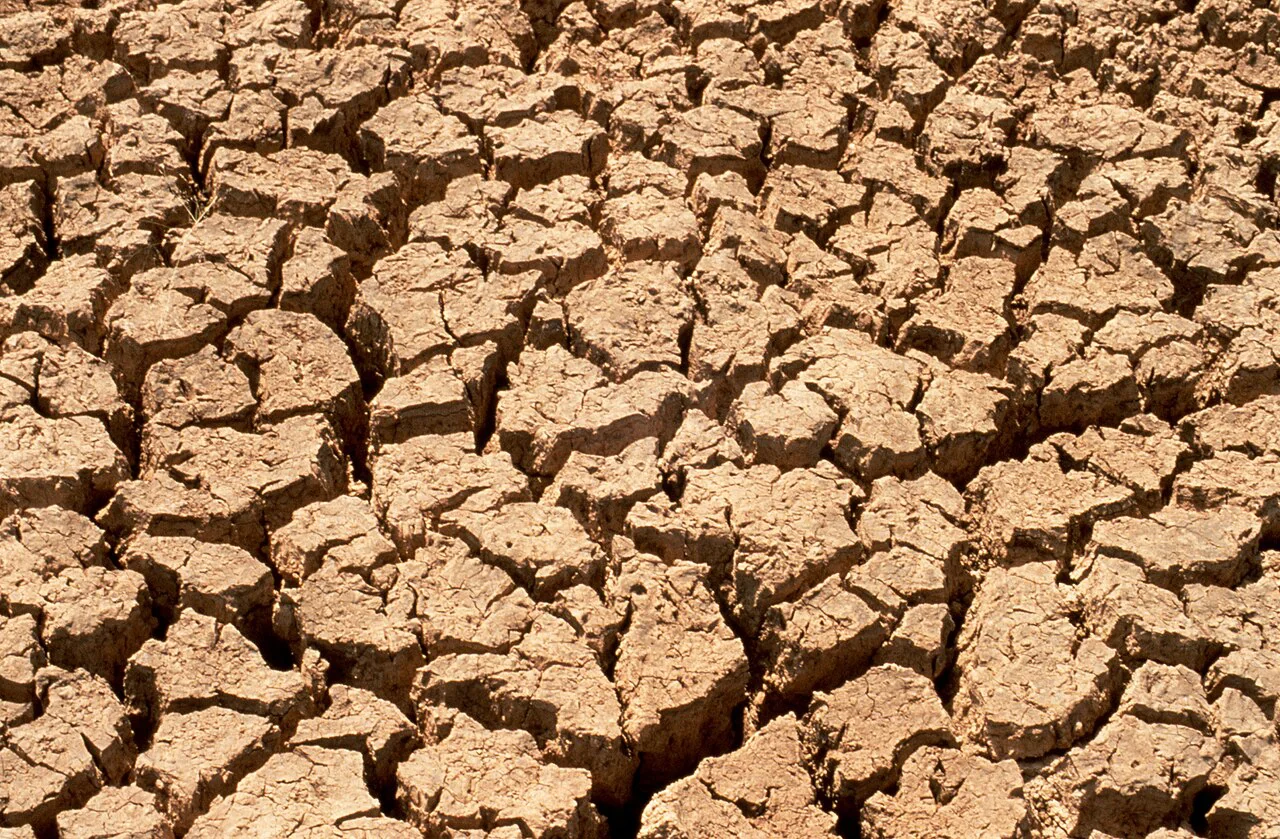
A dry spell can empty a garden rain barrel, but it does not explain whether a town has enough water for homes, farms and rivers. Drought is a climate condition: precipitation has fallen short for a period. Water scarcity is a problem of availability relative to need, shaped by storage, infrastructure, demand and water quality. A place can face scarcity without drought, and drought can intensify scarcity where supplies are already stretched.
One describes weather; the other describes access
Drought begins with an extended deficit in rain or snow compared with what a region normally receives. Its effects depend on season and place: low snowpack can mean less meltwater later, while a dry growing season can leave soils short of moisture. Drought is not simply a day without rain or a hot afternoon.
Scarcity asks a different question: can the available water meet the needs of people and ecosystems at the right time and in usable condition? Water is stored in rivers, lakes, wetlands, soil, ice, the atmosphere and underground aquifers, and it moves among these pools. The USGS describes water availability as depending on quantity, timing and quality. [1] A full reservoir may not solve a problem if water is contaminated, inaccessible, or needed somewhere else.
Why scarcity can persist after rain returns
A drought may ease when precipitation returns, but supplies do not necessarily recover immediately. Groundwater can take time to recharge; a reservoir may still be low; and a community may have limited capacity to move or treat water. Demand also matters. Irrigation, household use and industry draw from shared sources, so a supply that once seemed adequate can become strained as needs grow.
The reverse is possible, too. A region may have relatively normal rainfall while residents face scarcity because water is unevenly distributed, infrastructure leaks, or pollution makes a source unsuitable for its intended use. The water cycle is not a local faucet: water crosses watersheds and moves between surface and underground stores. Human land and water use affect where it is stored, how it moves and how clean it is. [1]
A practical example: a dry summer town
Imagine a town that normally relies on a reservoir and wells. After a winter with little precipitation, the reservoir is low and streams run small. That is a drought-related shortage of incoming water. If the town also has rising summer demand and leaky distribution pipes, residents may encounter scarcity: there is not enough reliably available water for all uses, even before the reservoir reaches empty.
Now imagine a wet autumn. The rain may ease drought conditions, but the town still needs to refill storage, replenish groundwater and repair leaks. Rain falling in a short burst may run off quickly rather than soak in where it can support a well. The USGS notes that runoff, infiltration, groundwater recharge and streamflow move water between stores on different pathways. [1] The weather can turn before the supply system does.
What can households influence?
A household cannot change regional precipitation, but it can reduce avoidable demand. Start with a leak check: a running toilet, dripping fixture or irrigation leak can waste water continually. EPA WaterSense recommends checking plumbing fixtures and irrigation systems and fixing leaks; it also suggests using full laundry and dishwasher loads and sweeping outdoor surfaces instead of hosing them. [2] These steps conserve treated water whether or not a drought has been declared.
Outdoors, match watering to local conditions and the plants already growing there. A dry-looking lawn does not reveal the condition of the whole watershed, and watering rules vary with local supply. Check your utility or local water agency for current restrictions and advice. A household action is most useful when it addresses actual waste and fits the local source and season.
Choose the response that matches the problem
If officials report drought, follow local guidance about outdoor use and prepare for changing supply conditions. If a community faces recurring scarcity, the longer work may include fixing distribution losses, protecting watersheds, managing demand and maintaining storage that can carry water across dry periods. Wetlands can store floodwater and help maintain surface flow during dry periods, according to EPA, so protecting them can contribute to a watershed’s resilience. [3] They are one part of a larger system, not a substitute for sound water planning.
For a useful first step, look up your water provider’s current supply notice and identify one avoidable use at home to reduce. That tells you whether the immediate issue is a dry season, a strained supply, or both.
Follow the evidence
Primary sources used in this story. Practical examples are illustrative unless a source states otherwise.
Read our editorial standards. Have a correction? Identify the article and relevant source in your feedback to the site owner.