tree day
Guide
How to find a household water leak?
Look for moisture, sounds and unexplained water use, then isolate fixtures methodically. A meter check can help identify continuous flow, but the utility or a qualified plumber may be needed to locate a hidden leak.
A water leak often announces itself through a damp cabinet, a toilet that refills when nobody has used it, or a water bill that rises without an obvious reason. Start with visible fixtures, then use your water meter if your home has one and you can safely access it. The goal is to determine whether water is flowing when everything should be off, and whether the source is a fixture or a hidden line.
Start with clues you can see or hear
Look beneath sinks, around toilets, near the water heater and along exposed plumbing for moisture, corrosion, staining or a musty smell. Listen for a faint hiss or trickle when the home is quiet. Check outdoor hose connections and irrigation components too, since leaks can be outside the living space. EPA WaterSense advises homeowners to identify and fix leaks because even small household leaks can waste water over time. [1]
A running toilet may be difficult to notice if the sound is intermittent. Listen after flushing and wait to see whether it refills without anyone using it. You can also inspect the bowl for movement when the toilet has been idle. Avoid dismantling plumbing if you are unsure how to shut off the supply or prevent a spill.
Use the meter as a first check
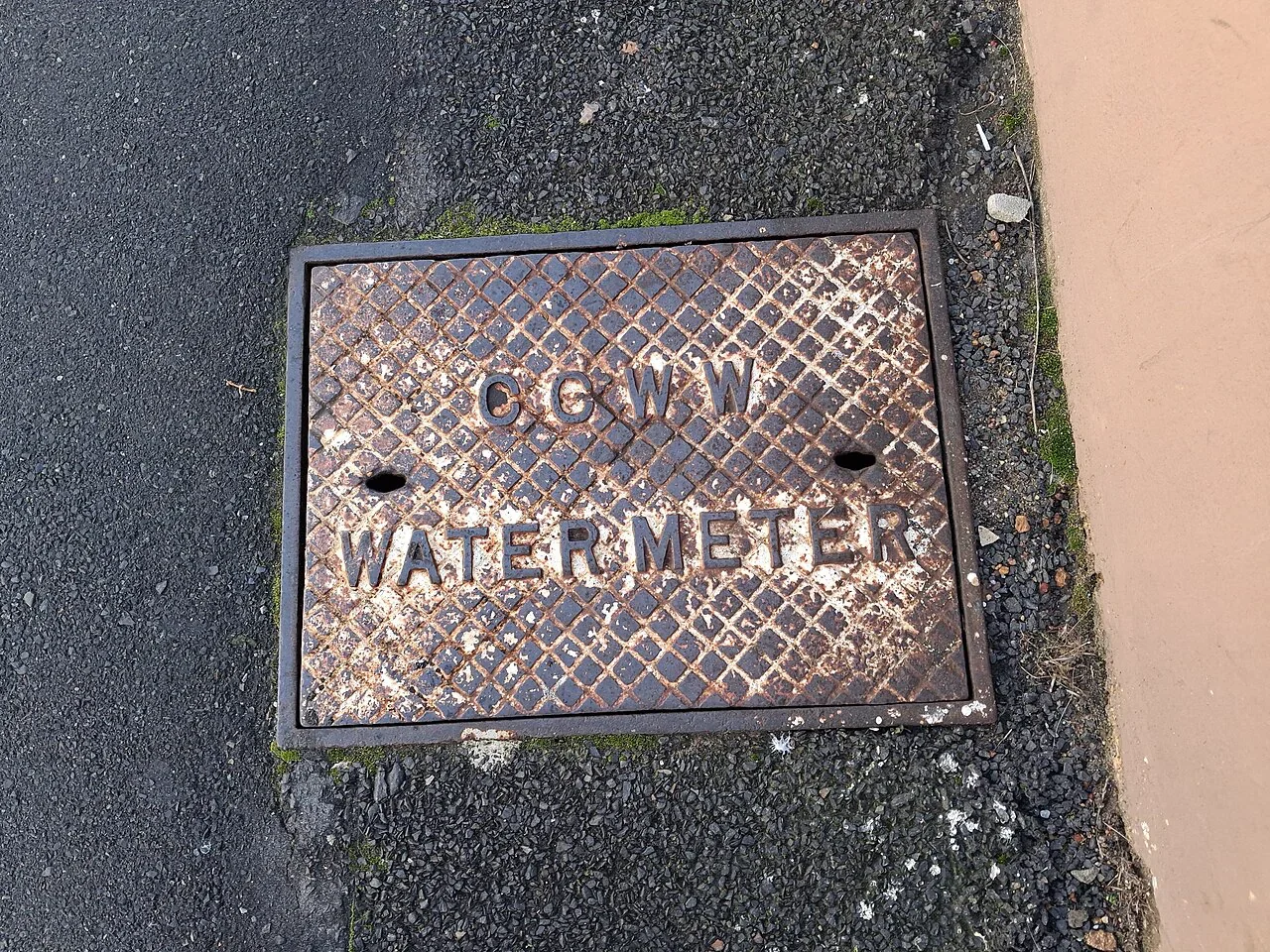
If you have a water meter, note its reading when no water is being used and all water-using appliances are off. Wait a period long enough to make a change visible, then check again. A moving reading suggests water is flowing somewhere, though some meters may be hard to read at low flow and systems vary. Make sure nobody uses water during the check, including automatic ice makers or irrigation controls.
If the meter does not move, that does not rule out every intermittent leak. A leak may occur only when a fixture or irrigation cycle runs. Repeat the observation at a time when the suspected system would normally operate, or consult the utility’s meter instructions. The meter can help narrow the question; it does not identify the exact pipe or repair.
Isolate likely fixtures one at a time
When the meter suggests continuous use, check common sources systematically. Turn off or pause one fixture or appliance at a time, then see whether the flow indicator changes. For example, if the reading stops when an irrigation controller is paused, inspect the irrigation system or have it checked. If it continues, return the system to its normal state and test another likely source.
Keep a short note of what you changed and when. That prevents confusion if several systems operate automatically. Do not force stuck shutoff valves or open electrical equipment near water. If the leak is near wiring, the water heater, or a major supply line, step back and contact the appropriate professional or utility.
Tell a fixture leak from a hidden line
A leak at a faucet, visible supply hose or toilet is often easier to locate because moisture or sound points toward the fixture. A hidden leak may show up as persistent meter movement, unexplained dampness, water sounds in a wall, or a sudden change in water use. But those signs are not proof by themselves; irrigation, a running appliance or a meter issue can produce similar clues.
If you cannot isolate the source, contact your water utility to ask whether it can check the meter or advise on the service line, and call a licensed plumber for diagnosis inside the home. The property boundary and responsibility for a service line vary by location, so confirm who handles which section before arranging a repair.
Fix the cause and verify the result
Once the source is identified, repair it or arrange service, then repeat the meter check under the same conditions. Confirm that the visible moisture has stopped and that the reading remains still when water is unused. WaterSense notes that leak detection and flow-monitoring devices can alert households to irregular use, but a device still needs maintenance and does not replace inspecting the underlying plumbing. [1]
If the meter keeps moving after a repair, revisit automatic systems and hidden lines rather than assuming the first repair solved everything. The next useful step is to record the meter reading, shut down ordinary water use briefly, and contact your utility or plumber with what you observed.
Follow the evidence
Primary sources used in this story. Practical examples are illustrative unless a source states otherwise.
Read our editorial standards. Have a correction? Identify the article and relevant source in your feedback to the site owner.