tree day
Guide
Greywater vs rainwater?
Greywater and rainwater come from different places and suit different jobs; compare their sources, handling needs, and local rules before choosing a reuse system.
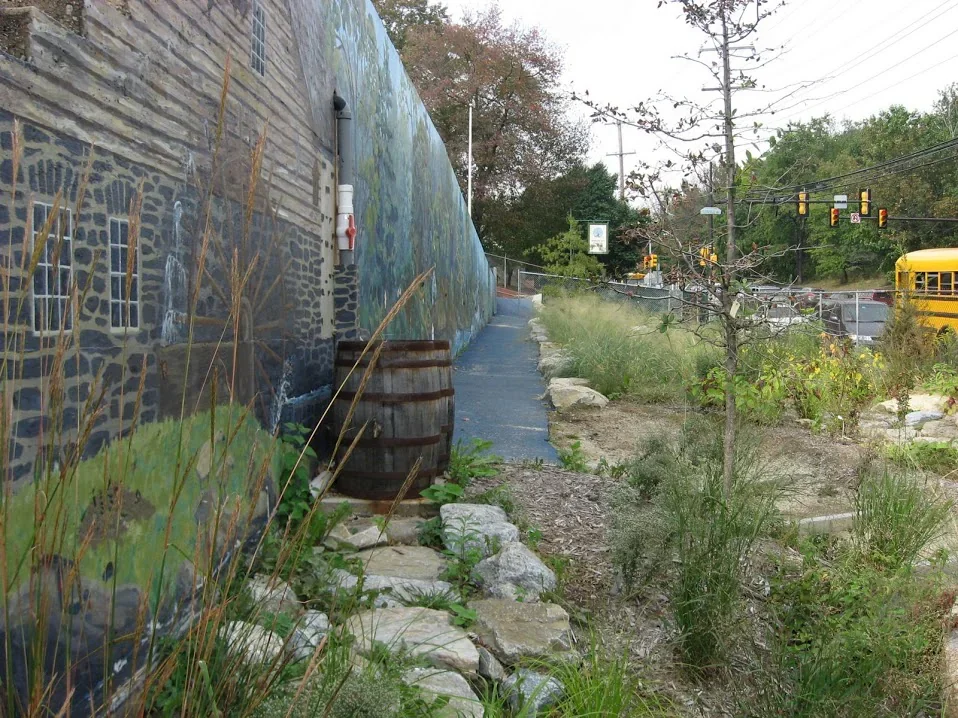
Rainwater comes from precipitation collected before it reaches the ground; greywater is household wastewater from selected uses such as bathing or laundry. That difference shapes everything else: rainwater is often stored for later, while greywater is usually reused soon after it is produced. Neither is automatically safe for every purpose, and local rules determine what a household can install.
The sources are not interchangeable
A rainwater system catches water from a roof or other collection surface and routes it to storage. A greywater system diverts certain household flows before they enter the sewer or septic system. The exact fixtures allowed to contribute vary, and toilet waste is not greywater. Kitchen wastewater can carry food residues and grease, so it may be treated differently under local rules.
The USGS describes water as moving among atmospheric, surface, soil, and groundwater stores, with human activity affecting both movement and quality. [1] Rainwater capture and greywater reuse intervene at different points in that movement. Rain is an intermittent input; household greywater is linked to daily activity and may arrive in repeated small amounts.
Think about when water is available
Rainwater may arrive in a large pulse, then not return for days or weeks. A tank can hold part of that pulse for later outdoor use, provided it has suitable storage and overflow. Greywater is often available after showers or laundry, but its timing may not match garden demand. Because stored greywater can degrade and may contain soaps or other household products, systems commonly use it promptly and direct it to appropriate landscape areas.
For a hypothetical household with a garden, roof water could be collected during wet weather and held for a later dry day. Greywater might be reused on suitable outdoor plants soon after a shower. This illustrates the timing distinction, not a universal design recommendation: climate, soil, plants, products used in the home, and local rules all matter.
Quality depends on source and treatment
Roof runoff may pick up dust, bird droppings, roofing material, or debris. Greywater may contain detergents, body products, and microbes. The risks differ, but neither source should be assumed drinkable without appropriate treatment and testing. Keep reuse separate from drinking-water plumbing unless a professionally designed system and applicable rules explicitly allow a safe connection.
Use products compatible with the intended greywater system and plants, and avoid applying greywater where people may contact it or where it could run into waterways unless local guidance permits that arrangement. Rainwater used on edible crops also deserves care about roof materials and the method of application. Official local guidance can clarify acceptable uses and setbacks.
Compare practical trade-offs
Rainwater systems may be easier to understand and maintain at small scale: a screened downspout, covered barrel, and tap can support hand watering. Their limitation is dependence on rainfall and storage capacity. Greywater reuse may supply water more regularly, but diversion plumbing, filtration or distribution components, and maintenance can make installation more involved. Its use can also be restricted by local codes.
A common mistake is selecting a system from the phrase “free water” without considering labor and upkeep. A tank needs cleaning and an overflow path; greywater components need attention to prevent clogging or unwanted exposure. Water efficiency measures such as fixing leaks and reducing unnecessary outdoor use can also reduce demand without creating a reuse system. [2]
Decide by matching source to task
List the intended use, how often water would be needed, and who will maintain the system. If the use is occasional garden watering and rainfall is seasonal, a modest rainwater setup may fit. If household flows are a regular source and the landscape can accept prompt reuse, explore greywater rules and design with local authorities or a qualified installer.
Follow the evidence
Primary sources used in this story. Practical examples are illustrative unless a source states otherwise.
Read our editorial standards. Have a correction? Identify the article and relevant source in your feedback to the site owner.