tree day
Guide
Rainwater harvesting basics?
A practical introduction to collecting roof runoff: how a simple system works, what to consider before installing one, and how to match storage to a useful purpose.
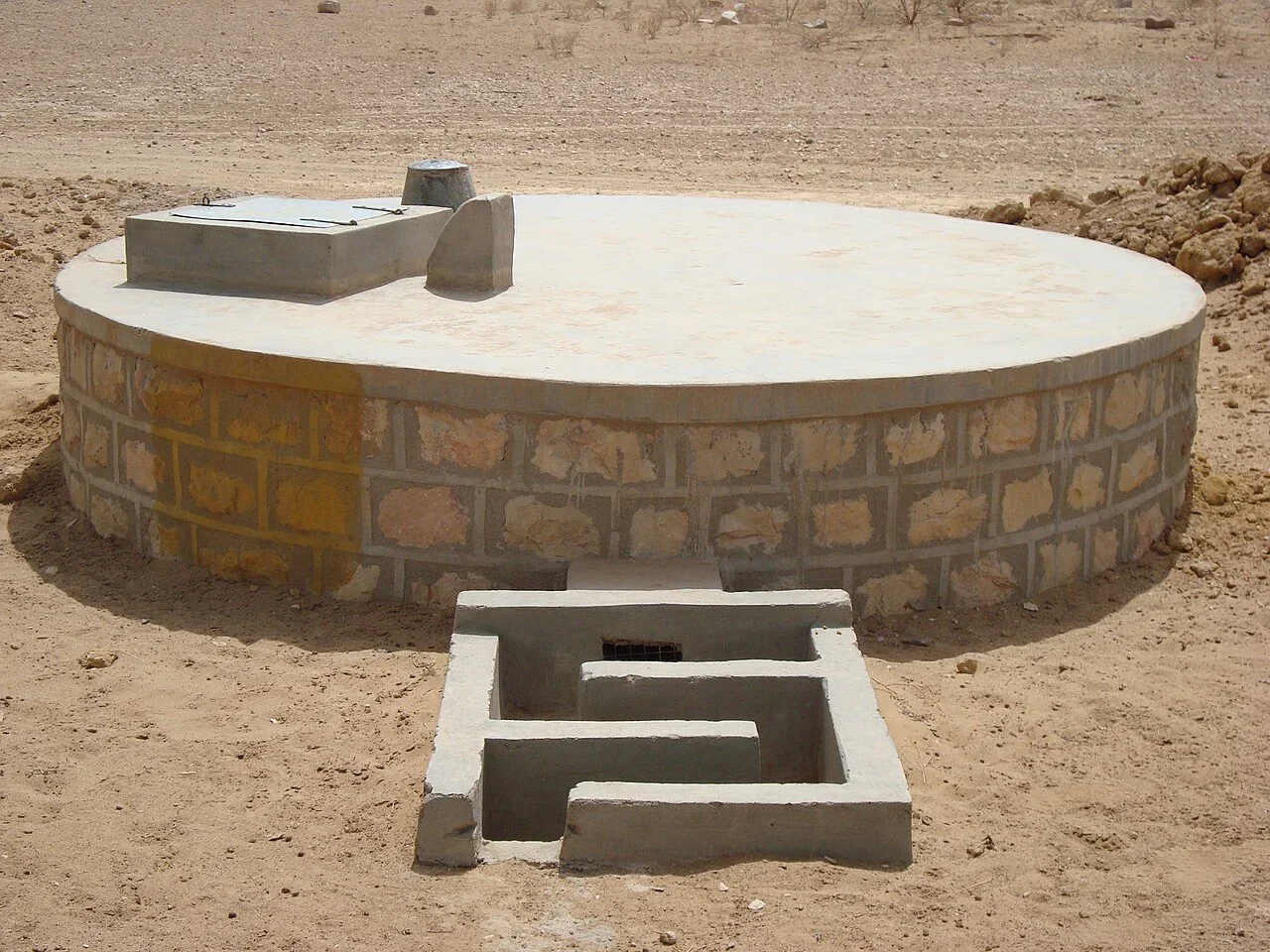
Rainwater harvesting means catching precipitation where it falls, usually from a roof, and storing it for a later use such as watering a garden. A basic setup needs a collection surface, a way to route water, a container, and an overflow path. The right system depends on rainfall timing, roof condition, intended use, and local rules; a tank alone cannot make water safe to drink.
Follow the water from roof to use
A typical home system begins at the roof. Gutters carry rain to a downspout, where a screen can keep out leaves and larger debris. A first-flush diverter may send the initial roof wash elsewhere before water reaches a covered tank. The stored water then leaves through a tap or pump and goes to its intended use.
The arrangement is a small, managed part of the water cycle: precipitation lands, some water runs across the surface, and some can infiltrate soil or recharge groundwater. The USGS explains that runoff, infiltration, and groundwater recharge are connected water-cycle processes, and that human land use affects where water is stored and how it moves. [1] A rain barrel shifts some roof runoff into storage for a while; it does not create water or eliminate the need to manage excess flow.
Start with a use, not a tank size
Choose what the captured water is for before choosing equipment. A small barrel may suit occasional hand watering near a downspout. A larger, covered cistern may serve more outdoor uses, but it also needs a stable base, secure access, and a plan for overflow. If the aim is to water plants, check whether the roof and collection parts could introduce contaminants, and avoid applying stored water to edible plant parts unless local health guidance supports that use.
A rough estimate can help compare options: roof catchment area multiplied by rainfall depth gives a theoretical volume, but actual collection is lower because of losses, roof conditions, and system design. Treat that as a planning estimate rather than a promise. For example, a household could compare how much water a few garden beds might use during a dry spell with the amount its roof might collect during a typical storm.
Keep storage safe and useful
Use a covered, opaque container with screened inlets to reduce debris, insects, and algae growth. Secure the lid, especially where children could reach the tank. Direct overflow away from foundations, neighboring property, and places where it could erode soil. Make sure the barrel does not obstruct access or create a slipping hazard.
Stored roof water is not automatically potable. A roof can collect dust, animal waste, roofing particles, and other contaminants, and a storage tank can add its own risks. Drinking-water use requires treatment and testing appropriate to the source and local public-health guidance. Requirements for rainwater systems vary by location, so check local plumbing and water rules before connecting a tank to household plumbing.
A small example—and its limits
Imagine a gardener placing a covered barrel under a downspout to water ornamental plants with a watering can. The setup is simple to inspect, and the stored water is used before the next storm. That can reduce demand for treated tap water during some periods, but a barrel may fill quickly in a heavy rain and run dry during a long dry spell. Storage is most useful when the collection period and intended demand overlap.
The common mistake is to treat the tank as a complete drainage solution. A full container still needs a safe overflow route, while an empty one cannot help during a dry interval. Rain capture also cannot substitute for protecting wetlands, which store floodwater and help maintain surface-water flow during dry periods. [2]
Choose one next step
Walk the roofline during or soon after rain and note which downspout serves a sound collection area, where overflow could go, and what use is close enough to be practical. Then check local guidance on permitted uses and system connections before buying a container.
Follow the evidence
Primary sources used in this story. Practical examples are illustrative unless a source states otherwise.
Read our editorial standards. Have a correction? Identify the article and relevant source in your feedback to the site owner.