tree day
Guide
How to protect a local stream?
Protect a stream by focusing on what enters it, how quickly runoff reaches it, and whether nearby wetlands and vegetation remain connected. Start with observation and local guidance before attempting changes in or near the channel.
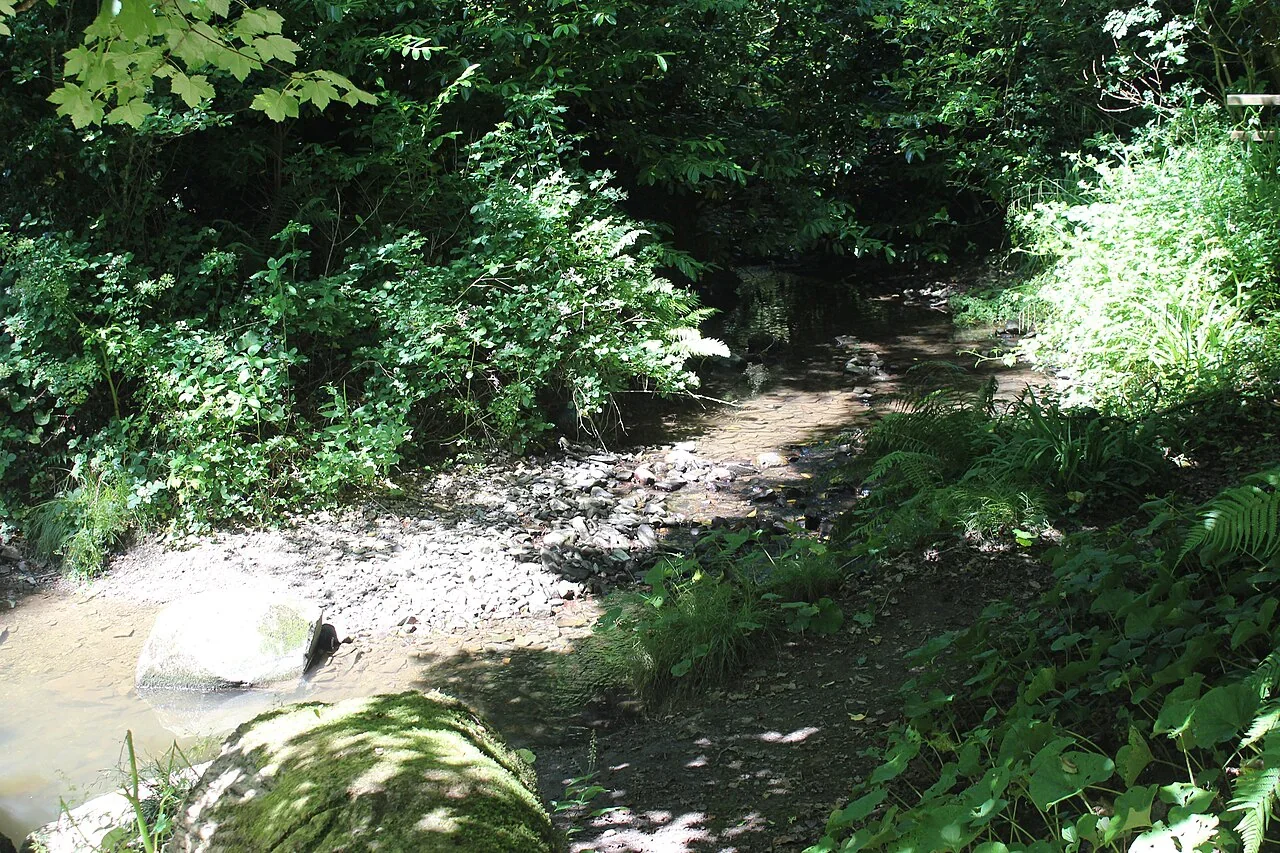
The most useful first step in protecting a local stream is to find out what is entering it and where the water comes from. Rain and snowmelt move across land as runoff, while water also infiltrates soil and may feed groundwater or streams. Human land use can alter these flows and carry sediment, chemicals or sewage into surface water. [1]
Trace the water before choosing a fix
A stream collects water from a watershed: the land area whose water drains toward a shared outlet. That means a visible problem at one bank may have an upstream source. The USGS notes that runoff from agricultural and urban areas can carry fertilizer, pesticides, sediment and sewage into rivers and lakes. It also says human activity affects where water is stored, how it moves and how clean it is. [1]
Start with a simple map or walk from a safe public route. Note where paved surfaces, ditches, exposed soil or storm drains appear to connect with the stream. Record what you observe and when, such as after rain or during a dry period. Do not enter the channel or handle suspicious material. The aim is to describe a pattern for a local watershed group or public works office, not to diagnose water quality by appearance.
Protect the edge that slows runoff
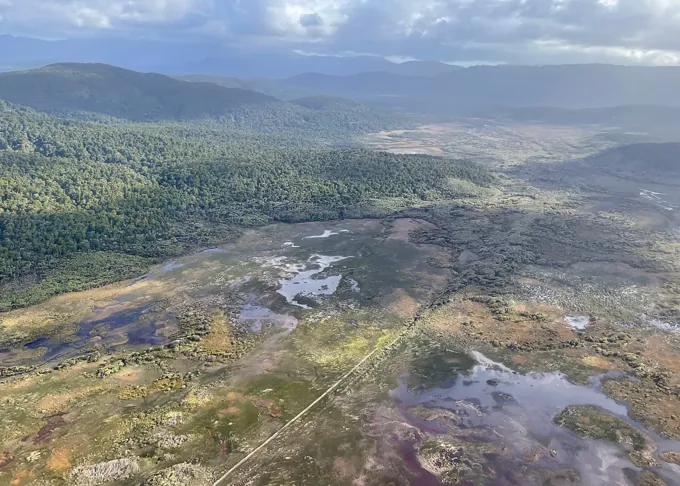
Vegetated areas near water can slow the movement of surface water and help hold soil in place. Wetlands provide water-quality improvement, habitat and flood storage; trees, root mats and other wetland vegetation slow floodwater and distribute it more gradually. These functions explain why preserving a streamside wetland or vegetated edge can support a stream system. [2]
A practical example: if a hypothetical yard slopes toward a stream, keeping existing vegetation and directing clean roof runoff onto a suitable planted area may reduce a direct rush of water. Whether a specific change is appropriate depends on soil, slope, drainage and local rules. A drainage feature that works in one yard could send water onto a neighbor’s property or erode a bank elsewhere.
Reduce pollution at its source
Runoff can pick up material from the land as it travels. The USGS identifies fertilizers and pesticides in agricultural and urban runoff, and sediment and sewage as pollutants that can reach rivers and lakes. So an effective stream-protection habit is to prevent avoidable material from reaching a drain or ditch: use only what the product label and local guidance call for, keep loose soil covered, and dispose of household chemicals through the locally designated system. [1]
The common mistake is treating a stream as if it begins at the nearest bridge. A clean-looking stretch can still receive water from a larger area, and a muddy appearance alone does not identify the source. If you see a discharge, fish distress or a sudden change, report the observation to the appropriate local environmental or public works authority rather than trying to intervene yourself.
Keep wetlands and water moving in view
Wetlands can store floodwater and maintain surface-water flow during dry periods. They are linked to watershed conditions, so draining or filling a wetland can affect more than the wetland footprint. Protecting a stream may therefore involve a nearby marsh, floodplain or saturated area, even if the original concern is downstream water quality. [2]
Climate change can alter precipitation patterns and the frequency, intensity and length of extreme events, while human land use also changes the water cycle. This can affect water quantity and timing. It is one reason a single cleanup day is not a complete stream plan: maintenance, land practices and upstream drainage all shape what arrives over time. [1]
Choose an action that fits your place
Before digging, grading, moving bank material or installing a rain garden, check local utility-location services and ask the relevant local authority about permits and site conditions. For a community effort, ask a watershed organization whether it has monitoring guidance, cleanup procedures or a list of priority pollution sources. A volunteer event can be useful when it is designed around safety and a clear local need.
At home, EPA WaterSense suggests practical ways to use water efficiently, such as fixing leaks and sweeping hard surfaces instead of hosing them. These are modest steps, not a substitute for addressing a local discharge or stream-bank problem. Choose one next action that matches what you observed: reduce a runoff source, report a suspected release, or help protect a wetland or streamside area with local expert guidance. [3]
Follow the evidence
Primary sources used in this story. Practical examples are illustrative unless a source states otherwise.
Read our editorial standards. Have a correction? Identify the article and relevant source in your feedback to the site owner.