tree day
Guide
How to reduce stormwater runoff?
Reduce runoff by slowing, spreading, and soaking up rain where it falls; choose measures that fit your soil, slope, roof drainage, and local guidance.
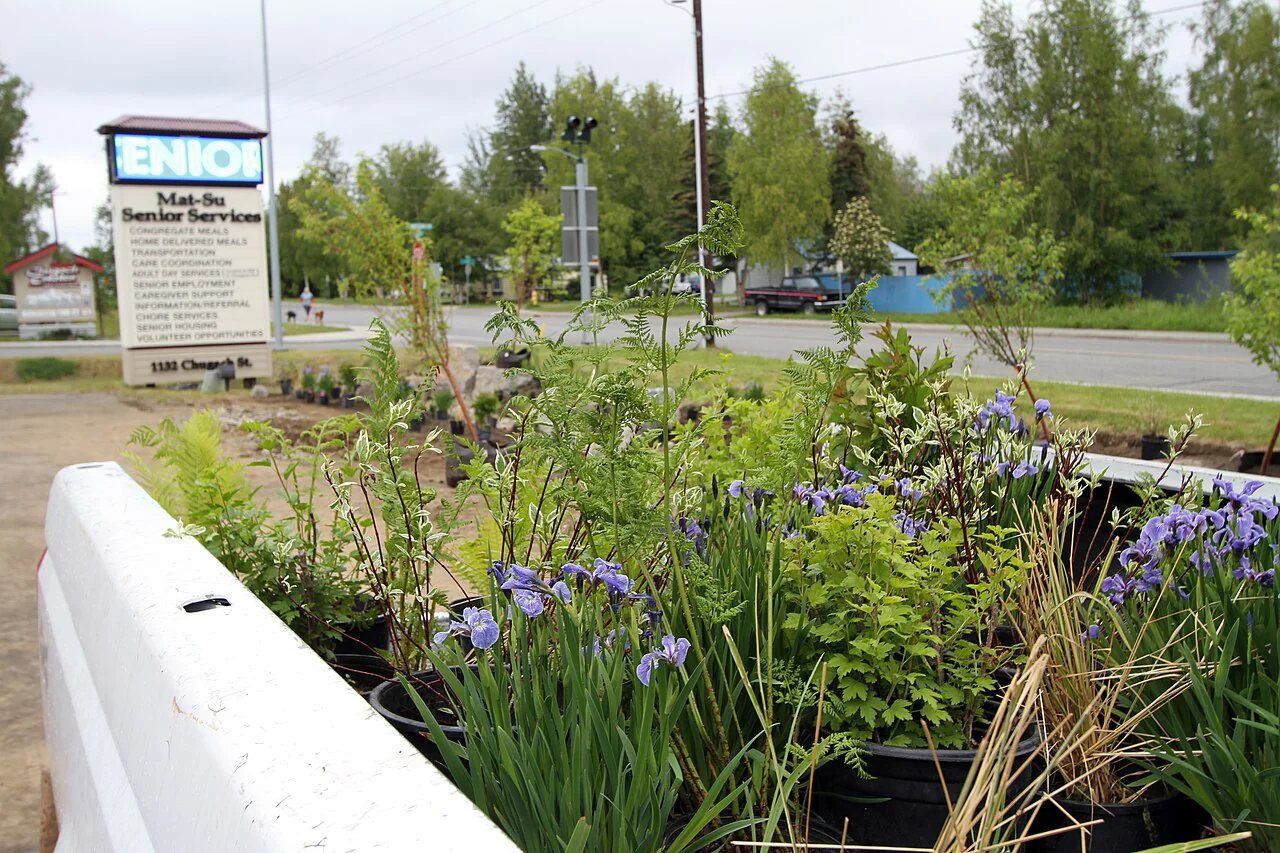
To reduce stormwater runoff at home, give rain more chances to soak into soil and slow down before it reaches a drain. You can start with small changes such as directing a downspout onto a planted area, keeping soil covered, or replacing a narrow strip of hard surface. The right choice depends on where water flows, how quickly soil drains, and whether the location can safely handle extra water.
Start by watching one storm
Observe the property during rain, from a safe place. Note which roof areas feed each downspout, where water gathers, and whether it moves toward a street, foundation, or neighbor's lot. Runoff is water flowing across the land surface; infiltration is water moving into the ground. The USGS describes both as pathways in the water cycle, along with groundwater recharge. [1] A useful intervention makes the pathway slower or allows more infiltration without creating a new problem.
Look for compacted soil, bare patches, steep slopes, and surfaces that funnel water. A low spot may be a natural place to hold water briefly, or it may be a sign of poor drainage near a structure. Do not assume every puddle should be redirected; first understand where it goes and how long it remains.
Use vegetation and soil as working parts
Plants and permeable soil can intercept rainfall, reduce the force of drops, and create more opportunity for water to enter the ground. Keeping mulch or living cover on bare soil can limit erosion, while a planting bed may spread flow from a downspout. Choose plants suited to local climate, the amount of sun, and whether the area is wet only briefly or stays damp.
The landscape should not be treated as a universal sponge. Dense clay, a high water table, steep grades, or contaminated soil can make infiltration projects unsuitable. Wetlands naturally store floodwaters and help maintain surface water flow during dry periods, according to EPA. [2] A yard feature cannot replace a wetland's broader functions, but protecting existing wet areas and avoiding fill can preserve valuable storage.
Make a downspout useful
A downspout extension can spread roof runoff over a stable, planted area rather than concentrating it beside a foundation or sending it straight to pavement. A rain garden can hold water temporarily while it infiltrates, if the site and local guidance support one. Rain barrels capture some water for later use, but they need an overflow route that remains safe when the container fills.
For example, a homeowner might find that one downspout sends water across a short paved path into a street drain. If a nearby bed has suitable soil and enough room away from structures, extending the outlet toward that bed could slow the flow. The homeowner would first check slope, soil drainage, foundation conditions, and local rules. This is a hypothetical example, not a universal placement formula.
Avoid common fixes that shift the problem
Filling a puddle with soil, pointing a pipe toward a property line, or installing a basin in poorly draining ground can move water into a worse location. A system that holds water can also overflow in a large storm, so overflow must be planned as carefully as the everyday route. Do not dig until you have arranged utility locating through the appropriate local service.
Reducing runoff is also about keeping it cleaner. The USGS notes that runoff can carry chemicals, sediment, and sewage into rivers and lakes. [1] Sweep hard surfaces instead of hosing them, and avoid applying lawn products where rain can wash them away. EPA includes sweeping rather than hosing among its outdoor water-saving steps. [3]
Choose a modest next action
Start with one downspout or one bare, compacted patch. Check local stormwater guidance, observe what happens after a typical rain, and make a change only if the water can be managed without directing it toward a building or another property.
Follow the evidence
Primary sources used in this story. Practical examples are illustrative unless a source states otherwise.
Read our editorial standards. Have a correction? Identify the article and relevant source in your feedback to the site owner.