tree day
Guide
How to save water at home?
Start with routine habits and leaks, then focus on the fixtures and outdoor uses that matter most in your home. A simple audit helps you choose changes that reduce waste without disrupting household needs.
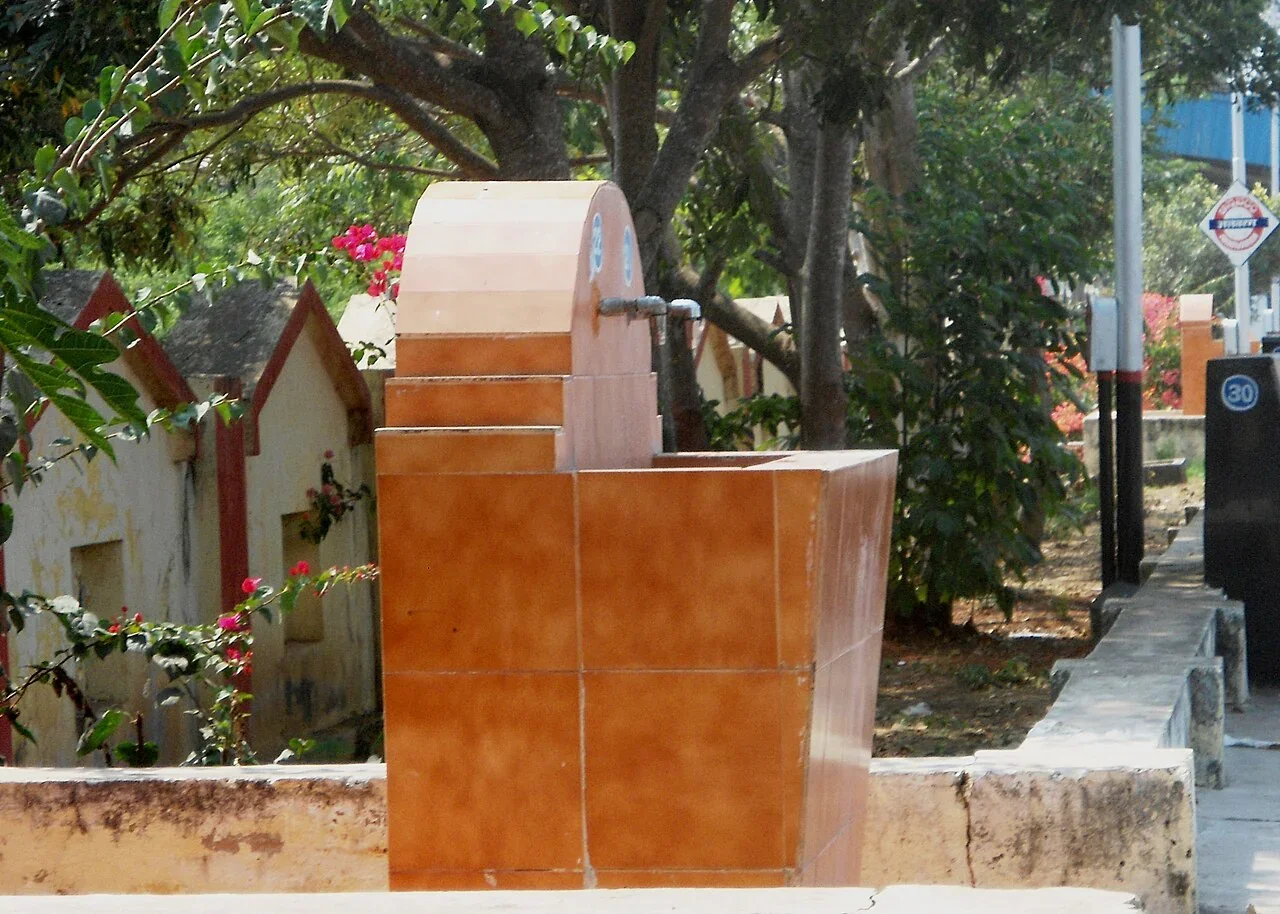
To save water at home, begin with leaks and repeated habits: turn off the tap while brushing, run full laundry and dishwasher loads, and check whether outdoor irrigation is watering pavement. These steps are inexpensive to try and can reveal where water use is concentrated. Bigger fixture changes may help too, but the best choice depends on your home, household routines, landscape and local water conditions.
Find the waste before buying anything
Walk through the home and note where water is used every day: toilets, showers, faucets, laundry, dishes and outdoor watering. Look for a running toilet, dripping faucet, damp cabinet or irrigation leak. Small leaks can add up over time, and a repair may save water without changing how the household uses a fixture. EPA WaterSense recommends identifying and fixing leaks as a starting point. [1]
A simple example: if a household regularly runs a partly filled dishwasher and a partly filled washer, consolidating loads may reduce the number of cycles. The actual amount saved depends on the appliances and the household’s routine, so treat this as a practical change to observe rather than a guaranteed figure.
Use kitchen and bathroom water deliberately
In the bathroom, turn off the tap while shaving or brushing teeth, and keep track of shower length. WaterSense notes that showers use less water than baths when shower time is limited. If replacing a faucet or showerhead, look for products with the WaterSense label, which indicates independently certified water efficiency and performance. [1]
In the kitchen, scrape plates rather than rinsing them before loading the dishwasher, and run it when full. If washing dishes by hand, a basin or plugged sink avoids leaving the tap running continuously. Keeping drinking water chilled in a pitcher can also prevent running the tap while waiting for it to cool. [1]
Laundry and appliances: match the load
For laundry, run full loads when appropriate or use the washer’s load-size setting. When replacing a washer or dishwasher, compare the water-use information and look for relevant efficiency labels. A replacement decision is different from a habit change: the old appliance’s condition, household needs and budget all matter, so there is no reason to replace a working machine solely because a newer option exists.
Water use is linked to energy too. Heating water for bathing and cleaning takes energy, so using less hot water can reduce both water demand and the energy required to heat it. EPA notes this connection and recommends efficient water-using products as one way to save water and energy. [1]
Outdoor use needs local judgment
Outdoor water can be a substantial part of household use, especially in hot months or dry climates. Check irrigation for leaks and overspray, and sweep walks instead of hosing them down. If you water a landscape, consider its plants, soil, season and local restrictions before changing how much or when you water; a schedule that suits one yard may stress another. [1]
A common mistake is to focus only on indoor habits while a misaligned sprinkler sprays a driveway. Another is to make a landscape change without considering established plants or local climate. Start by observing the system during operation and correcting obvious waste. For a complex in-ground system, an irrigation professional can inspect or audit it. [1]
Make one change, then review it
Choose an action that fits your biggest source of avoidable use: repair a leak, adjust a routine, or inspect irrigation. If your utility provides a meter or usage history, compare periods with similar household patterns, recognizing that weather and visitors can affect the result. Do not expect one month’s total to prove the effect of a single change.
If you are considering rainwater collection or greywater reuse, check official local guidance first because rules and safe uses vary by location. A sensible next move is to make one low-cost change this week, then decide whether a fixture upgrade or outdoor adjustment is worth pursuing based on what you observe.
Follow the evidence
Primary sources used in this story. Practical examples are illustrative unless a source states otherwise.
Read our editorial standards. Have a correction? Identify the article and relevant source in your feedback to the site owner.