tree day
Guide
What is blue carbon?
Blue carbon is carbon stored in coastal and marine ecosystems, especially in their plants and soils. Protecting those habitats can preserve carbon stores while supporting water quality, wildlife and flood protection.
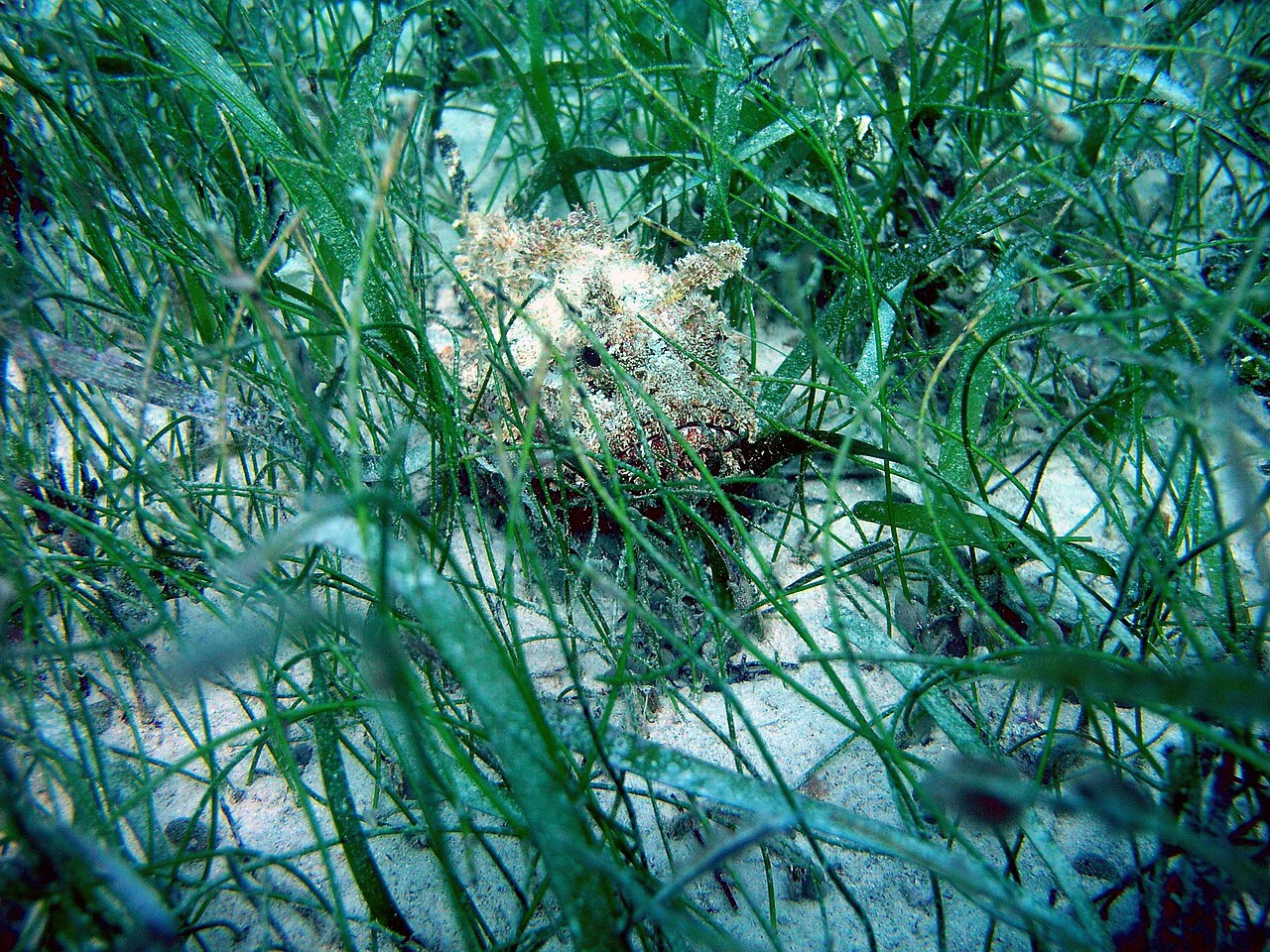
Blue carbon is carbon captured and stored by coastal ecosystems, especially in vegetation and the soils beneath it. The phrase often points to habitats such as tidal wetlands, where plants grow in waterlogged ground and organic material can accumulate. It connects climate to a familiar landscape: a marsh is habitat and flood buffer, but it can also hold carbon below the surface.
Carbon held in coastal habitat
Plants take in carbon as they grow, and some of that carbon becomes part of plant material and soil. In wetlands, dead leaves and stems break down into organic material, while wet soils can store carbon rather than release it all to the atmosphere. EPA says wetlands store carbon within plant communities and soil, helping moderate global climate conditions. [2] Blue carbon refers to this kind of storage in coastal and marine ecosystems. [3]
The term is not a claim that every shoreline stores the same amount or in the same way. Habitat type, water movement, geology and climate shape the ecosystem. EPA notes that wetland characteristics and species vary with climate, landscape shape, geology and water abundance. [2] The useful starting point is to think of blue carbon as a habitat process, not a single product or standardized number.
Why wetlands matter beyond carbon
Carbon storage is only one function. Wetlands can improve water quality, provide habitat, store floodwaters, reduce shoreline erosion and help maintain surface-water flow during dry periods, according to EPA. [2] These functions arise from the wetland’s vegetation, soils and position in a wider watershed, and they support both people and wildlife.
This broader view helps avoid treating a marsh as a carbon container alone. Its value may include habitat for fish and birds, floodwater storage and recreation, even where carbon is not being measured. EPA describes wetlands as part of watershed relationships that move water, sediments and dissolved materials toward a common outlet. [2] A wetland’s climate role is connected to the landscape around it.
How disturbance can change the balance
When a wetland is drained, filled or otherwise altered, its water conditions and soils change. That can affect the habitat’s ability to provide its familiar functions, including carbon storage. The exact carbon outcome depends on local soils and conditions, so a general article should not assign a universal release amount or restoration benefit.
EPA identifies draining wetlands for development as one way people alter the water cycle, and describes wetlands’ carbon storage as occurring in plants and soil. [1] [2] This makes preservation a practical climate and watershed choice, though carbon accounting requires site-specific evidence. Protecting an intact habitat also retains its flood, water-quality and wildlife functions, rather than forcing a choice among them.
A simple example: a coastal marsh
Imagine a hypothetical coastal marsh where grasses grow in shallow water. Each season, plants add roots, stems and leaves; some dead material becomes part of the wetland soil. The same marsh slows and stores some incoming water, provides shelter or feeding habitat, and helps protect the shoreline from erosion. Its carbon role and its community value arise from the same living system.
That example is illustrative, not a measurement. EPA notes that wetland functions depend on a complex set of relationships with other ecosystems in the watershed, and that wetlands differ across climate and landscape settings. [2] A specific marsh’s carbon stock or annual storage rate would require local assessment; the general label alone cannot provide either figure.
What to look for in a blue-carbon claim
When a project or policy describes blue-carbon benefits, ask what habitat it covers, whether it is protecting an existing area or restoring a degraded one, and how carbon storage was measured. Also ask whether the claim includes other wetland functions and what uncertainties remain. A carbon estimate without location, method or time horizon can sound more precise than the available evidence supports.
For a local next step, find out which agency or conservation group manages the coastal wetland near you and whether it publishes habitat information. Supporting protection of intact wetlands can preserve multiple benefits at once; for claims about a particular project’s climate impact, look for its site-specific evidence and accounting method.
Follow the evidence
Primary sources used in this story. Practical examples are illustrative unless a source states otherwise.
- USGS: Water Science School ↗
- US EPA: Why wetlands are important ↗
- NOAA Ocean Service: What is blue carbon? ↗
Read our editorial standards. Have a correction? Identify the article and relevant source in your feedback to the site owner.