tree day
Guide
What is water pollution?
Water pollution occurs when substances or changes in conditions make water harmful or less suitable for people, wildlife or ecosystems. It can come from a visible discharge, diffuse runoff or heat, and the source often lies upstream.
Water pollution is not always a pipe pouring dark liquid into a stream. It can be fertilizer washed off a lawn, sediment loosened by construction, sewage, industrial chemicals or heated water returned to a river. In each case, something changes the water in a way that can harm organisms, habitats or human uses. Following how water moves through a watershed helps explain why pollution may appear far from where it began.
Pollution means a harmful change in water
Water is polluted when an added substance, organism or physical change degrades its quality enough to cause harm or interfere with a use. The effect depends on what enters the water, how much reaches it, when it arrives and what the receiving environment can absorb. A substance can be harmful to aquatic life even when the water still looks clear; cloudy or discolored water, meanwhile, may signal a problem without identifying its cause.
The USGS describes water moving through surface runoff, streamflow and groundwater, while human activities affect both its movement and cleanliness. It identifies chemicals, sediment and sewage carried by runoff, as well as heated and contaminated returns from power plants and factories. [1] Pollution is therefore about the water’s condition and consequences, not just its appearance.
Where it comes from
Some pollution comes from a specific outlet, such as a discharge pipe. Other pollution has no single obvious source. Rain or irrigation can wash fertilizer and pesticides from agricultural and urban land into streams or groundwater. Soil disturbed by construction or bare ground can travel as sediment. Sewage can reach waterways through failures or overflows, while industrial activity may release contaminants or heat.
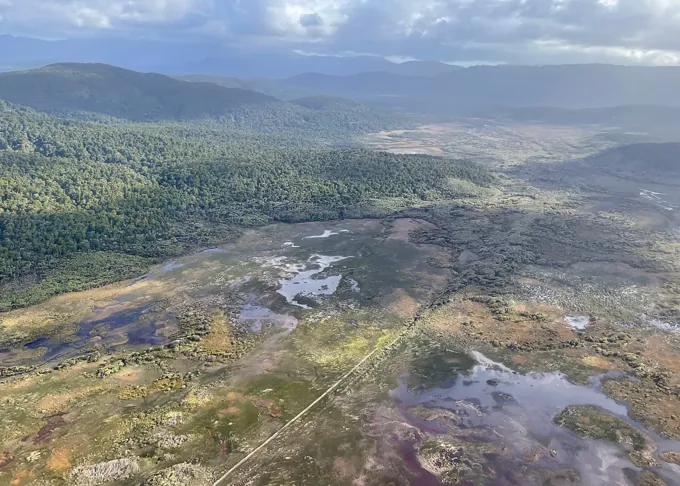
The route matters. A chemical applied on land may move with runoff into a creek, or seep downward with infiltrating water. A pollutant that enters one stream can travel downstream and affect a lake, wetland or estuary. A watershed is the area where water, sediment and dissolved materials drain toward a common outlet or basin; EPA notes that wetlands’ functions depend on relationships across this wider watershed. [3]
A rainstorm can connect yard to river
Consider a hypothetical neighborhood where rain falls on roofs, pavement and gardens. Water that cannot soak into the paved areas flows toward street drains. If it picks up lawn chemicals, spilled oil or loose soil along the way, that runoff can carry the material into a stream. The pollution does not need to begin at the streambank; the path begins where the rain first contacts the material.
The USGS notes that runoff in agricultural and urban areas can carry chemicals, sediment and sewage into rivers and lakes, and that downstream contamination can contribute to harmful algal blooms, disease spread and habitat harm. [1] This example does not mean every storm causes the same impact. The pollutant, amount, weather and receiving water all influence what happens.
Why wetlands and clean water routes matter
Wetlands can help protect and improve water quality, store floodwaters and support surface-water flow during dry periods, according to EPA. [3] Their plants, soils and shallow water are part of a living system within the watershed. These functions can help slow or retain water, but they do not make every pollutant harmless or guarantee that downstream water is safe for every purpose.
Water quality also affects availability. A river or aquifer may contain water physically, yet contamination can make it unsuitable without treatment or restrict how it can be used. The USGS frames availability in terms of water quantity, timing and quality. [1] That is why a water problem may involve both too little usable supply and too much contamination.
What to do when you notice a concern
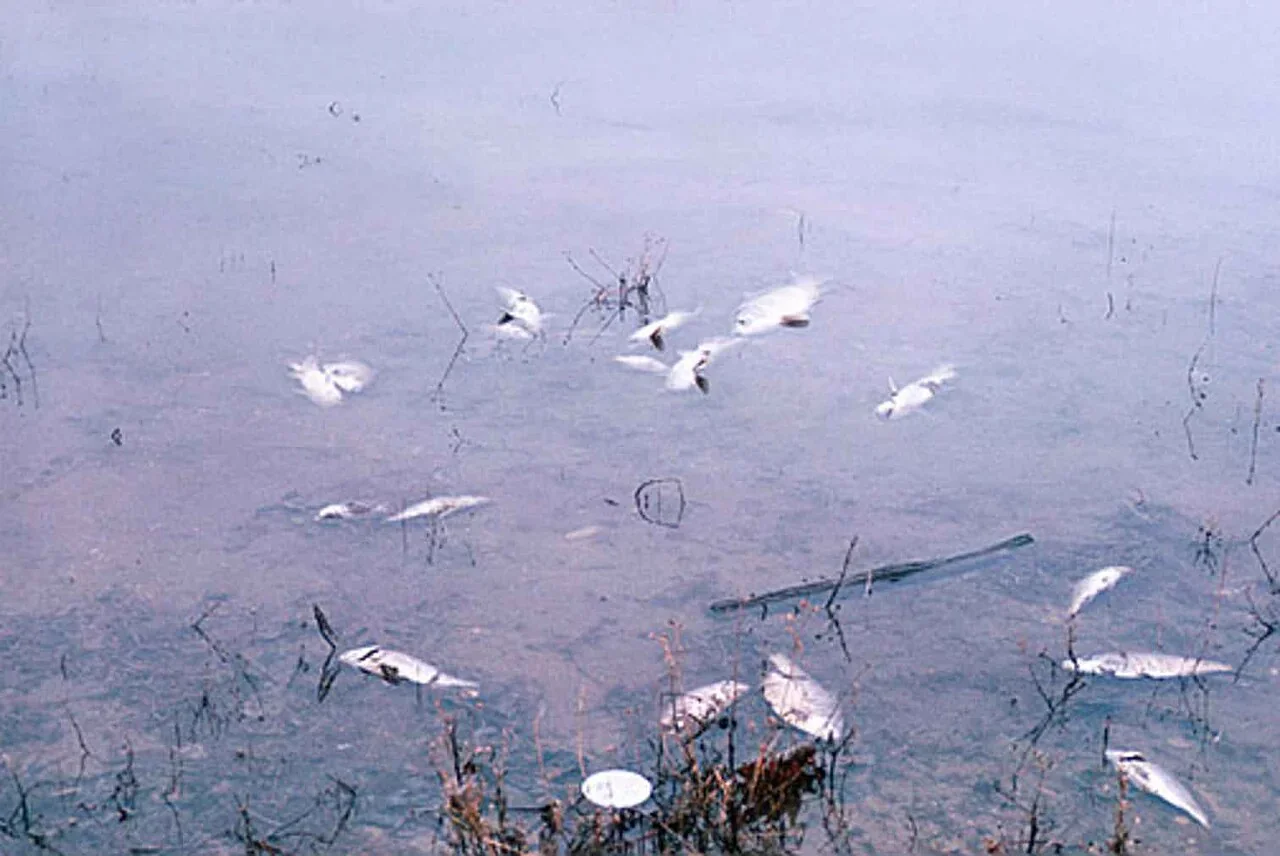
Do not identify a spill by appearance alone or assume that clear water is safe. If you see an unusual discharge, strong odor, dead fish or a sudden color change, note the location and time from a safe place and report it to the relevant local environmental or water authority. Follow official local guidance about water quality and any advisories; conditions and responsible agencies vary.
At home, focus on preventing material from entering runoff: use lawn and garden products only as their labels direct, keep loose soil covered where practical, and avoid washing spills into a storm drain. EPA WaterSense also recommends sweeping sidewalks and driveways rather than hosing them. [2] The most useful next action is to learn where a local report should go, then prevent one ordinary source of runoff at your property.
Follow the evidence
Primary sources used in this story. Practical examples are illustrative unless a source states otherwise.
Read our editorial standards. Have a correction? Identify the article and relevant source in your feedback to the site owner.