tree day
Guide
Where does drinking water come from?
Drinking water can begin as surface water, groundwater or another local source, then move through infrastructure and treatment before reaching a tap. The exact route depends on the community and its water system.
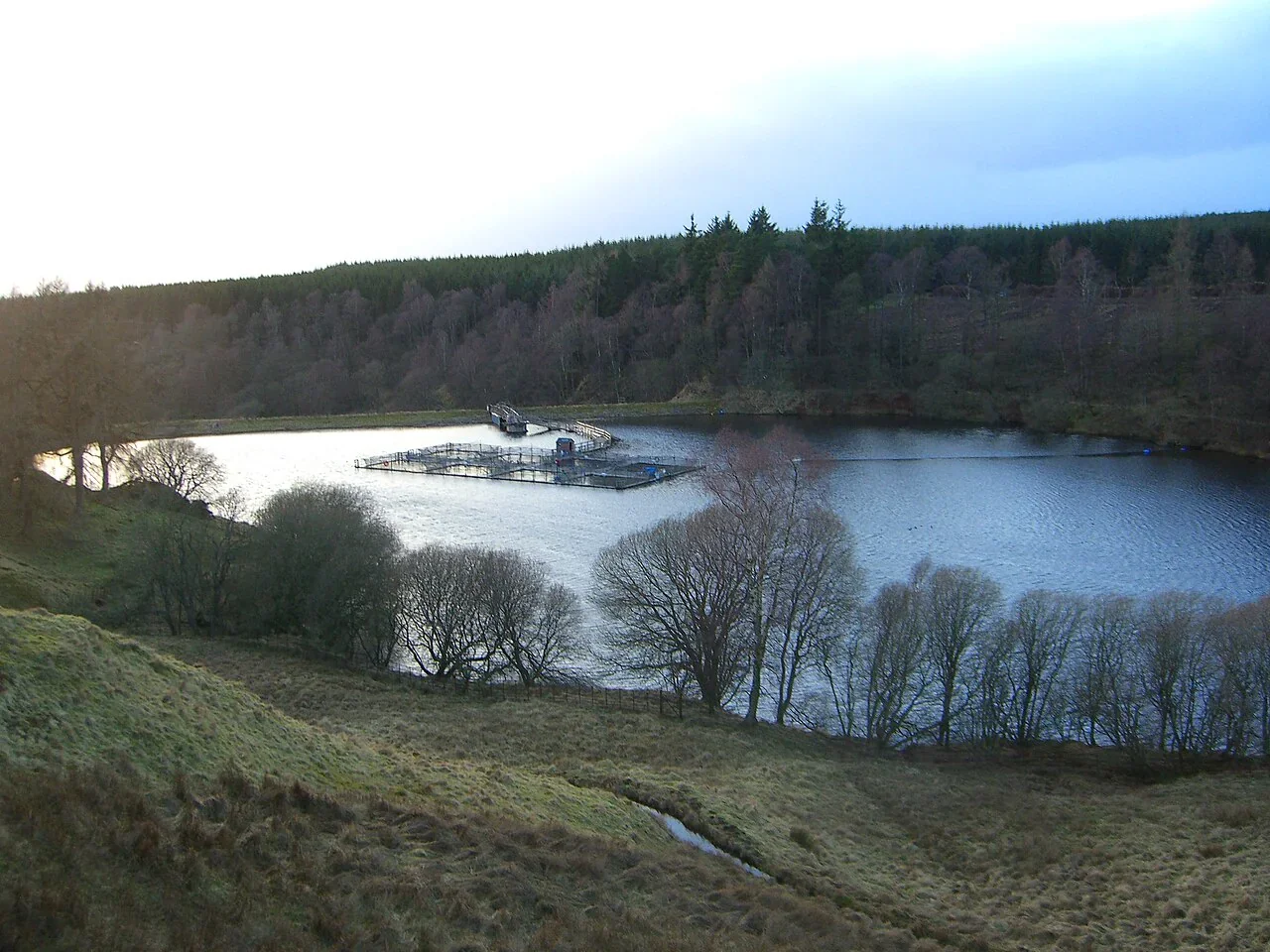
The water from a kitchen tap may have started in a river, reservoir, lake or underground aquifer. From there, a community's system collects and treats it, then delivers it through pipes. The route varies by place: to understand your own supply, find out which source your utility uses and how it is treated, because the water cycle's many pools are not all drinking-water sources.
The source may be above or below ground
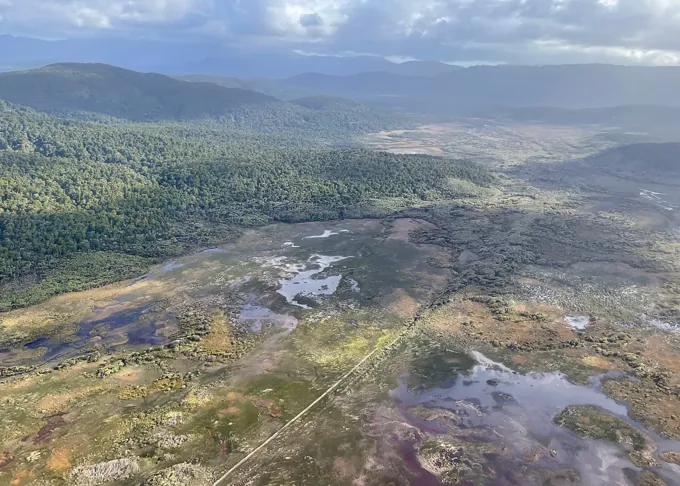
Communities can draw water from surface sources such as rivers, lakes and reservoirs, or from groundwater stored in aquifers. The USGS describes water as moving among surface pools and underground stores; groundwater occupies pores and cracks in rock, while surface water includes rivers and freshwater lakes. [1]
A reservoir is a human-made lake that can store river water behind a dam. An aquifer is a different kind of store: water below ground moves through permeable materials and can be drawn up through wells. A community may depend mainly on one source or combine sources, depending on local geology, infrastructure and supply decisions.
Water moves through a connected cycle
Sunlight drives evaporation, while gravity helps water fall as precipitation and flow downhill. Rain and snowmelt can run across the land into streams or seep into the ground and recharge aquifers. Groundwater can later discharge into rivers, the ocean or springs. These connections mean a source is part of a larger watershed and water cycle. [1]
This also explains why the source can change over time. Seasonal rain and snow, storage, withdrawals and land use influence where water is available and when. USGS notes that availability depends on quantity, timing and quality. [1] A river's flow or an aquifer's recharge is not necessarily constant from year to year.
Treatment and delivery make source water usable
Water in a river or aquifer is source water; tap water is delivered through a managed system. Utilities collect water, treat it to meet applicable drinking-water requirements, store it as needed and distribute it through pipes. The particular treatment steps depend on source conditions and system design, so there is no single route shared by every town.
As a hypothetical example, imagine a community that draws from a reservoir. The utility would move water from the reservoir to a treatment facility, prepare it for distribution, and send it through a network of pipes to homes. A nearby community using wells would have a different source and system. These examples illustrate pathways, not claims about any particular utility.
Why source protection matters
Activities on land can affect water quality. USGS notes that runoff may carry chemicals, sediment and sewage into rivers and lakes, while agricultural and urban practices can move fertilizers and pesticides into surface water and groundwater. [1] This is one reason watershed conditions and aquifer protection matter alongside treatment.
Wetlands can also contribute to the condition of a watershed. EPA describes wetlands as helping protect and improve water quality and store floodwaters. [2] Their role is part of the broader landscape, not a substitute for a drinking-water utility's treatment and monitoring responsibilities.
Find the route to your own tap
The easiest way to know where your household's water comes from is to check the local water provider's consumer information or ask the utility directly. Look for the listed source, treatment description and any current notices. If you use a private well, local public-health or environmental offices can point you to applicable testing guidance; the right advice depends on local conditions.
Do not assume every water source is suitable to drink untreated, or that a neighbor's supply follows the same route as yours. Start with your provider's description of the source and treatment system, then follow official local guidance for questions about water quality or emergencies.
Follow the evidence
Primary sources used in this story. Practical examples are illustrative unless a source states otherwise.
Read our editorial standards. Have a correction? Identify the article and relevant source in your feedback to the site owner.