tree day
Guide
How plants prepare for winter?
Plants meet winter in different ways, from slowing growth to shedding leaves or persisting below ground; recognizing the strategy helps gardeners decide what to leave in place and what to observe.
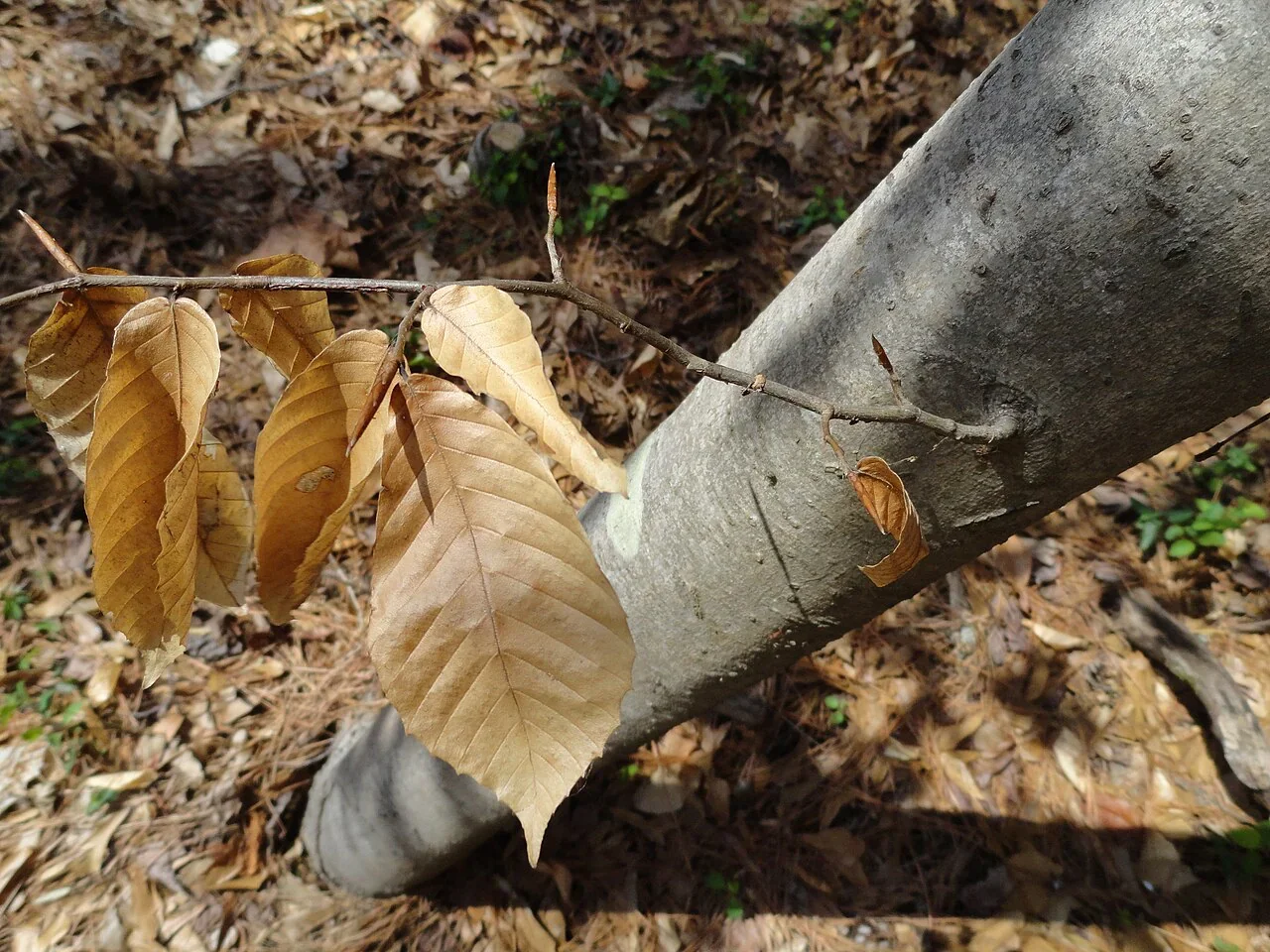
A plant preparing for winter may stop making new leaves, shed foliage, or retreat into a resting structure below ground. There is no single winter routine: a tree, an annual flower and a perennial herb face the same season with different strategies. In a garden, the useful first step is to identify the plant and notice what changes before deciding that it needs help.
Shorter days change the setting
Winter brings less direct sunlight and shorter days to parts of the world as Earth’s tilted axis changes the angle of sunlight through the year. [1] Those broad seasonal changes matter to plants, but the response depends on species and local conditions. A plant in a mild coastal garden may face a very different winter from the same kind of plant in a colder, exposed site.
Watch for a sequence rather than a sudden verdict. New growth may slow; leaves may change color or fall; stems may remain visible after the growing season. Those signs are not automatically evidence of illness. A plant can be alive while appearing quiet above ground, and its normal pattern is best judged by its identity, climate and past behavior.
Different plants use different strategies
Many deciduous trees shed leaves as part of an annual cycle. Other plants keep foliage through winter, while some herbaceous perennials lose their visible tops and persist in roots, crowns or other structures. Annual plants complete their life cycle in a single growing season, often leaving seeds behind. These are broad patterns, not guarantees: species and local climate shape what actually happens.
Consider a hypothetical mixed border with a deciduous shrub, a perennial flower and an annual. The shrub may lose leaves but retain its framework; the perennial may die back above the soil; the annual may finish and leave seed. If all three are treated as though they are the same, a gardener might remove useful structure or mistake normal dormancy for failure. Labels and local horticultural guidance can help resolve uncertainty.
Why a quiet plant can still be active
A bare stem tells you that visible leaves are gone, not that every part of the plant is dead. Some plants conserve resources by reducing above-ground growth; others remain active in ways that are not obvious from a casual glance. Cold, dryness, wind and soil conditions can also stress plants, so appearance needs context. Look for patterns across the plant and compare with its usual seasonal cycle rather than relying on one leaf or one cold morning.
A practical observation is to mark where a plant begins and ends, then revisit it as the weather changes. Note whether the stems remain firm, whether buds are visible and whether neighboring plants of the same kind follow a similar pattern. Those clues do not replace identification, but they help distinguish a seasonal pause from a change worth investigating.
Leave room for uncertainty in garden work
A common mistake is to tidy every bed as soon as growth slows. Seed heads, fallen leaves and hollow stems can remain part of the garden’s seasonal structure; they may also provide cover or resources for wildlife. The National Park Service advises leaving natural objects as found in outdoor settings and avoiding disturbance to wildlife. [2] A home garden is different from a protected park, but the principle of observing before removing still has practical value.
That does not mean every plant should be left untouched. Diseased material, invasive plants or a specific safety concern may call for action, and local guidance can help with those cases. The useful distinction is between routine tidiness and a reasoned intervention. If unsure, remove only what has a clear purpose and leave the rest until you can identify it.
A simple winter check
Make a short list of the plants you most want to understand. Identify each one as accurately as you can, note whether it is deciduous, evergreen, perennial or annual, and record what changes over the season. Do not infer a universal watering schedule from the calendar: soil moisture, species, container size and local weather all matter.
Next, choose one plant and compare its current appearance with reliable local growing guidance. That small check can prevent unnecessary pruning or replacement and gives you a better baseline when growth resumes.
Follow the evidence
Primary sources used in this story. Practical examples are illustrative unless a source states otherwise.
Read our editorial standards. Have a correction? Identify the article and relevant source in your feedback to the site owner.