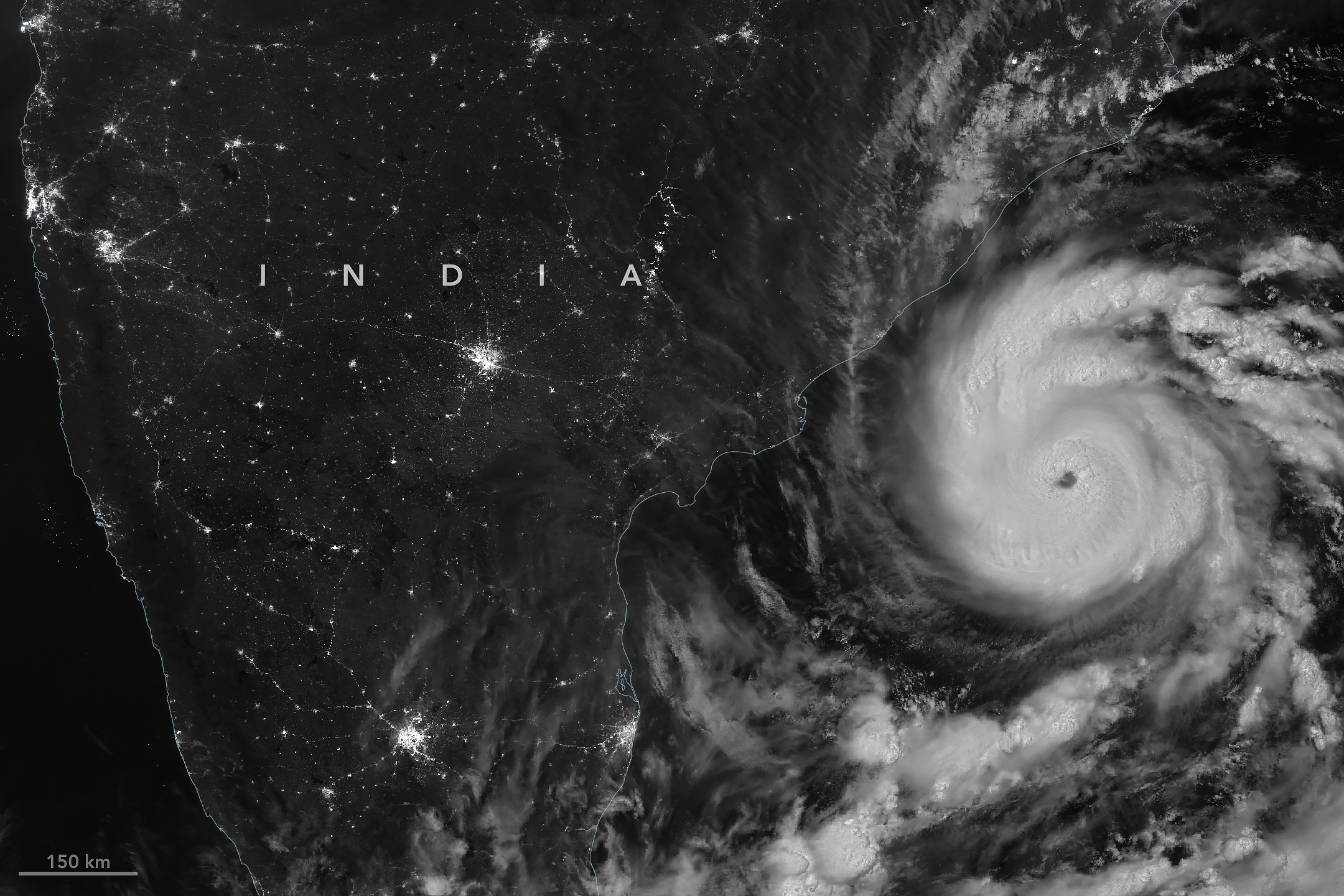
Arnab made landfall on India’s Andhra Pradesh and Yanam coast on 28 October. NASA published a nighttime satellite view showing the cyclone offshore before it reached land.
WMO’s 26 October seasonal outlook identifies regional temperature and rainfall probabilities for aid agencies and governments preparing for a strengthening El Niño.
El Niño and La Niña name opposite phases of a Pacific climate pattern, but the references do not document their mechanisms or effects. Here is how to separate that broad question from the seasonal cycle and a local forecast.
Leave No Trace principles are practical habits for reducing harm to wildlife, plants, waterways and other visitors. Their value lies in applying them to the conditions of a particular place, from trail choice and waste to wildlife distance and group behavior.
Earth’s tilted axis changes the angle and duration of sunlight reaching each hemisphere through the year, producing seasonal patterns rather than a simple distance-from-the-Sun effect.
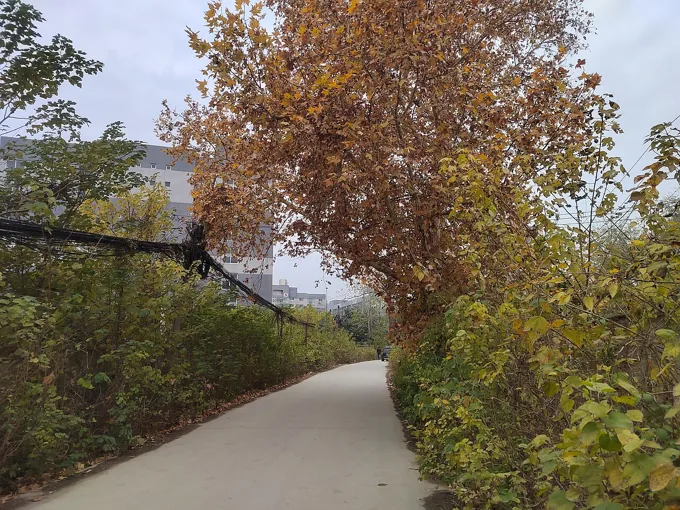
Phenology is the study of recurring seasonal events in plants and animals, and of how their timing relates to weather, climate and the conditions of a particular place.
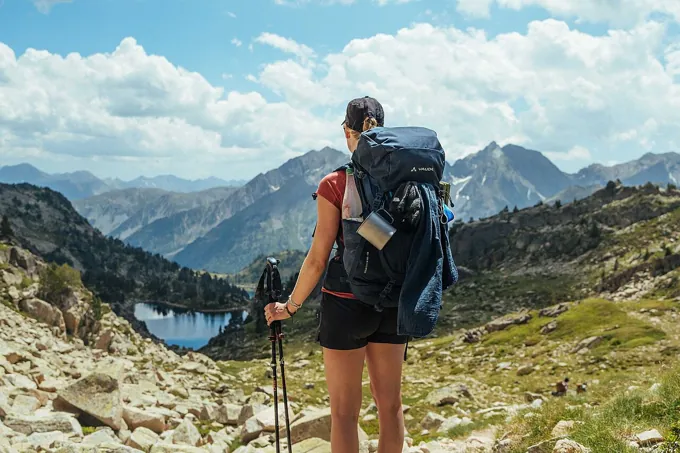
Pack for a day hike by matching supplies to the route, weather, distance from help and the people in your group. A reliable core kit covers navigation, water, food, layers, light and basic first aid without pretending every trail needs identical gear.
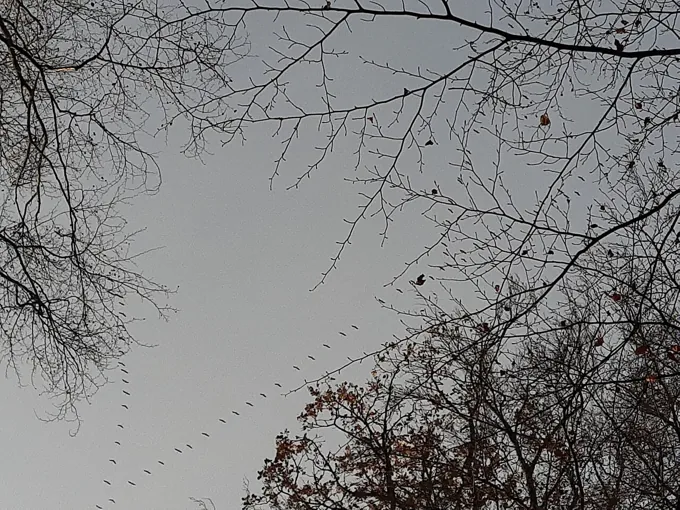
Bird migration is a seasonal response to changing opportunities and conditions: birds move when a different place offers better prospects for food, breeding or survival, though the details vary by species.
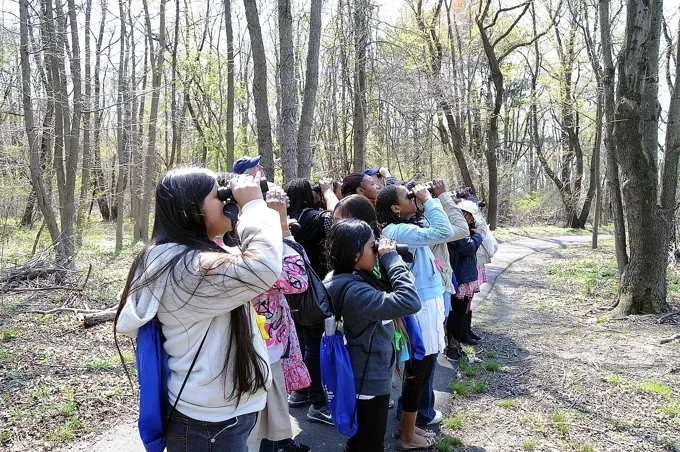
Start with the birds already using a familiar place. A short, repeatable watch helps you notice behavior, learn a few common calls and identify species without needing expensive equipment or close contact.
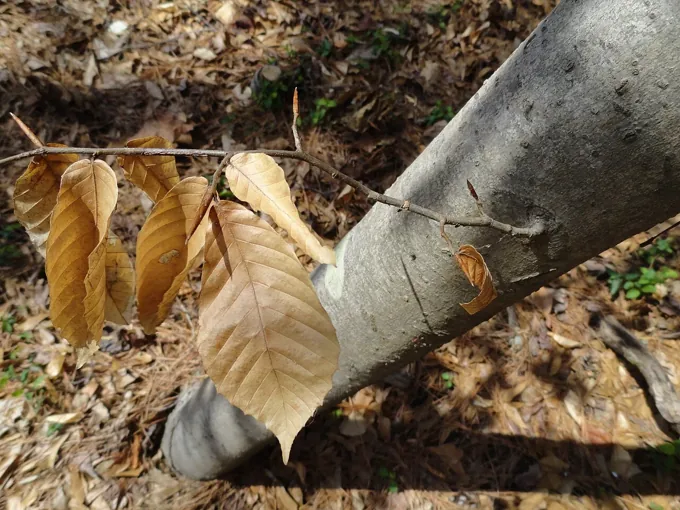
Plants meet winter in different ways, from slowing growth to shedding leaves or persisting below ground; recognizing the strategy helps gardeners decide what to leave in place and what to observe.
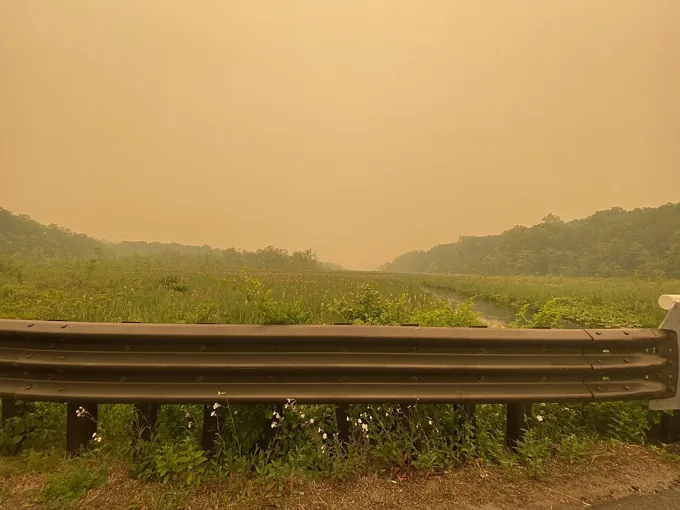
Wildfire smoke can affect communities hundreds or even thousands of miles from a fire because winds carry its pollution through the atmosphere. Here is why distance from the flames does not always mean clean air.
The Indian Ocean Dipole is a shifting difference in tropical sea temperatures that can influence rainfall patterns over Australia. Learn what its three phases mean—and why it offers clues, not a weather guarantee.
Warnings and seasonal outlooks answer different questions: warnings communicate an identified hazard that may require action, while outlooks describe broad probabilities over a longer period. Use each for the decision it supports.
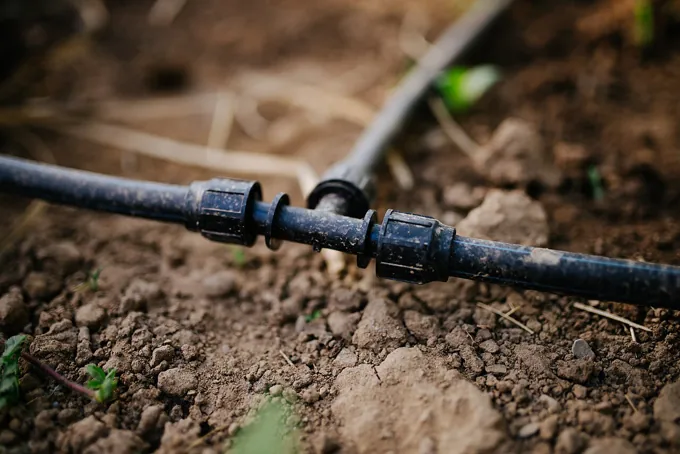
Save water in a summer garden by helping soil hold moisture, watering where roots can use it, and matching care to each plant. Learn how to prioritize beds through dry spells without relying on a one-size-fits-all schedule.
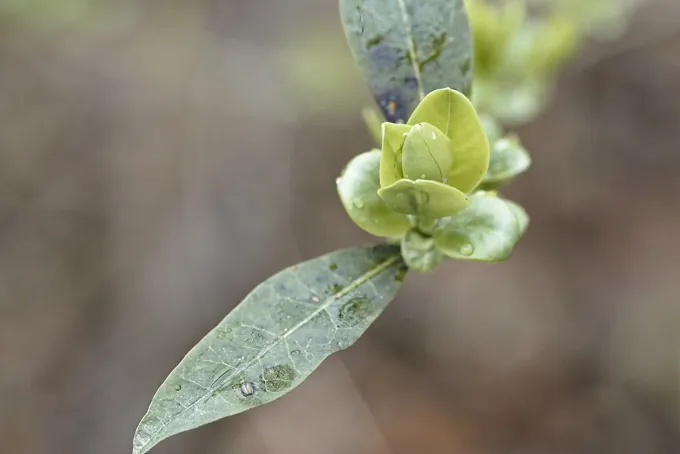
Spring wildlife gardening begins with a light inspection: identify what is growing, avoid disturbing active wildlife and choose planting and maintenance tasks suited to the site and local species.
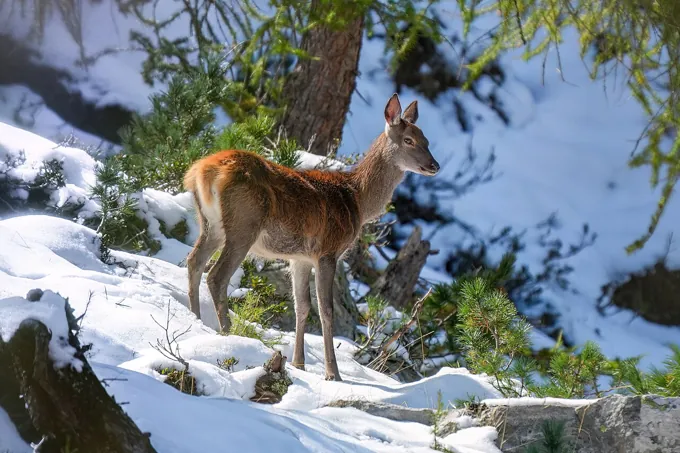
Wildlife gets through winter through a range of strategies, including movement, reduced activity, shelter and shifts in diet; which response works depends on the animal and its habitat.
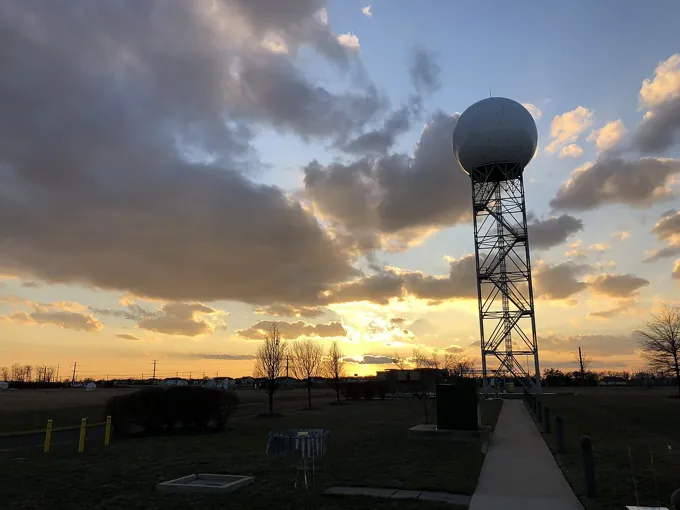
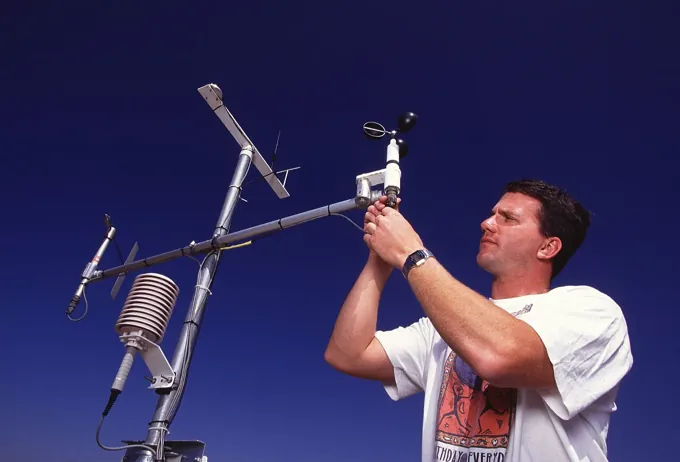
Use a local forecast to make a decision for a specific place and time, then check it again if the plan is sensitive to changing conditions. Distinguish a short-range forecast from a broad seasonal outlook.
A simple method for recording local spring observations consistently, from choosing a route and defining a first event to protecting wildlife and interpreting the results carefully.
 tree day