tree day
Guide
Leave no trace principles?
Leave No Trace principles are practical habits for reducing harm to wildlife, plants, waterways and other visitors. Their value lies in applying them to the conditions of a particular place, from trail choice and waste to wildlife distance and group behavior.
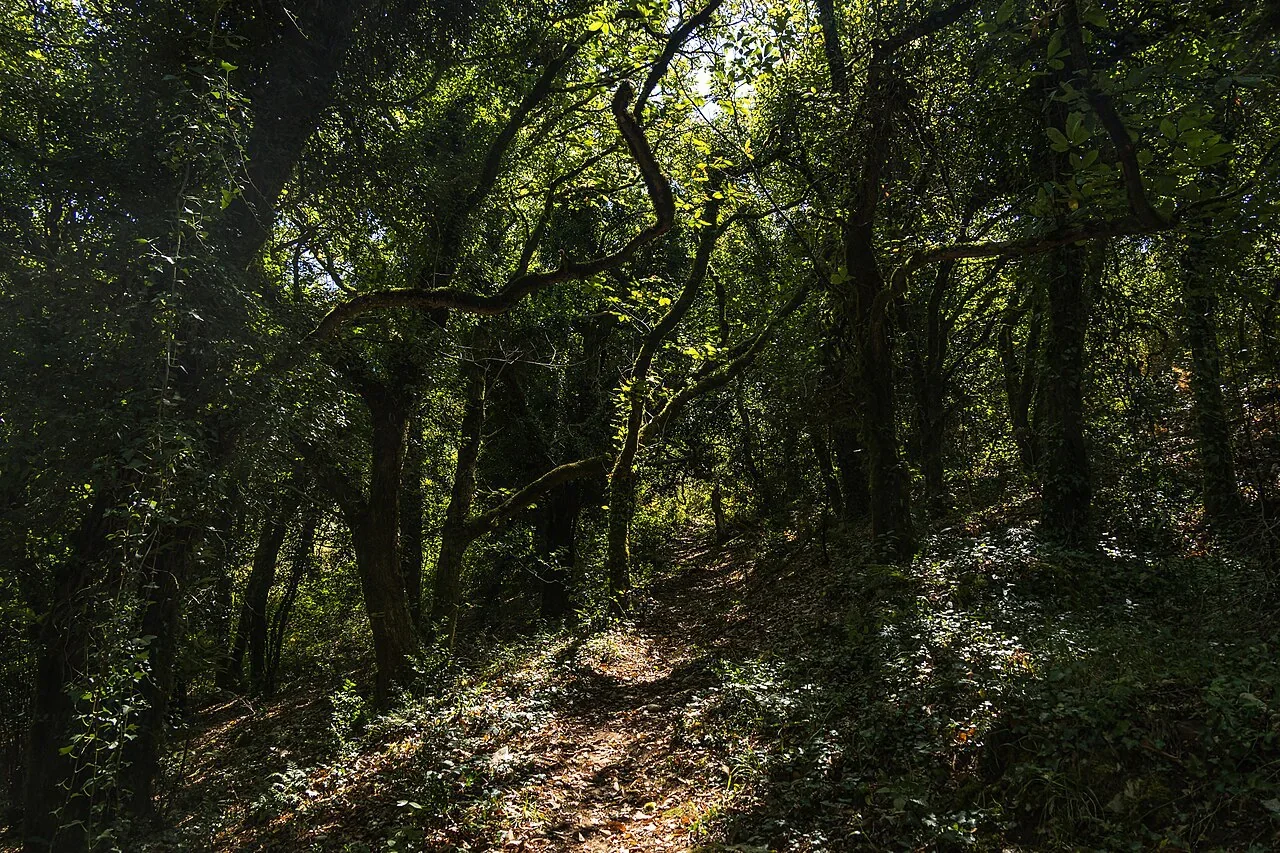
Leave No Trace is a way to make outdoor visits lighter on a place and the people who share it. The National Park Service presents seven principles: plan ahead, travel on durable surfaces, dispose of waste properly, leave what you find, minimize campfire impacts, respect wildlife and be considerate of other visitors. [1] They are useful as decisions to make before and during a trip, not as a promise that human presence has no effect.
Plan around the place you are visiting
Before leaving, check rules, hazards, weather and any sensitive areas or seasonal restrictions. The NPS recommends preparing for extreme weather and emergencies, learning site-specific concerns and considering times of high use. [1] A smaller group or a less busy time can reduce pressure on a crowded route and make it easier for everyone to enjoy the visit.
Planning includes what to carry and how to manage it. Repackaging food can reduce waste, and knowing where facilities are helps avoid improvising in a sensitive area. A responsible plan is specific: the right choices for a developed park may not suit a remote landscape with few facilities.
Stay on surfaces that can take use
On established trails in popular areas, staying on the path helps prevent widening and damage to nearby vegetation. The NPS advises concentrating use on existing trails in busy places and identifies maintained trails, rock, gravel, sand and dry grasses among durable surfaces. [1] In a less disturbed area, the best route may depend on local guidance and signs about fragile habitat.
A common mistake is stepping around a muddy patch and creating a parallel track. If the trail is open and safe, walking through the mud can keep the route narrow. When signs direct visitors elsewhere, follow them; the local managers know conditions that a general principle cannot capture.
Carry waste back out
Pack out wrappers, leftover food and litter, and check the place where you stopped before moving on. The NPS also advises using toilet facilities when possible and gives specific backcountry guidance for human waste. [1] Facilities and rules vary by site, so check what applies before a trip rather than assuming one approach works everywhere.
Food scraps may seem harmless, but leaving them can attract animals and change how they behave around people. The NPS warns against feeding wildlife and says it can alter natural behaviors and expose animals to danger. [1] Keep snacks and rubbish secured, especially where animals are accustomed to visitors.
Observe without collecting or approaching
Leave rocks, plants and other natural objects in place, and avoid touching cultural or historic objects. A photograph, sketch or note can preserve the memory without removing part of the setting. The NPS specifically advises leaving natural objects as found and examining cultural or historic structures without touching them. [1]
For wildlife, use distance as the default. Do not follow or approach an animal for a closer view, and be especially cautious during mating, nesting and the raising of young. [1] If an animal changes its behavior because people are nearby, move back and give it space.
Reduce fire and visitor impacts
A campfire can leave lasting impacts, so follow site rules and use a stove where appropriate. The NPS advises using established fire rings or other designated methods where fires are permitted, keeping fires small and fully extinguishing them. [1] A ban or local restriction overrides general advice about how to manage a fire.
Courtesy is part of low-impact recreation: yield where appropriate, keep voices down and take breaks away from narrow trails. [1] Before your next visit, check the area’s current rules and choose one practical adjustment, such as packing out every scrap or staying on the established route.
Follow the evidence
Primary sources used in this story. Practical examples are illustrative unless a source states otherwise.
Read our editorial standards. Have a correction? Identify the article and relevant source in your feedback to the site owner.