tree day
Environment news · Development: 26 Oct 2026
WMO outlook guides humanitarian planning as El Niño strengthens
WMO’s 26 October seasonal outlook identifies regional temperature and rainfall probabilities for aid agencies and governments preparing for a strengthening El Niño.
Global
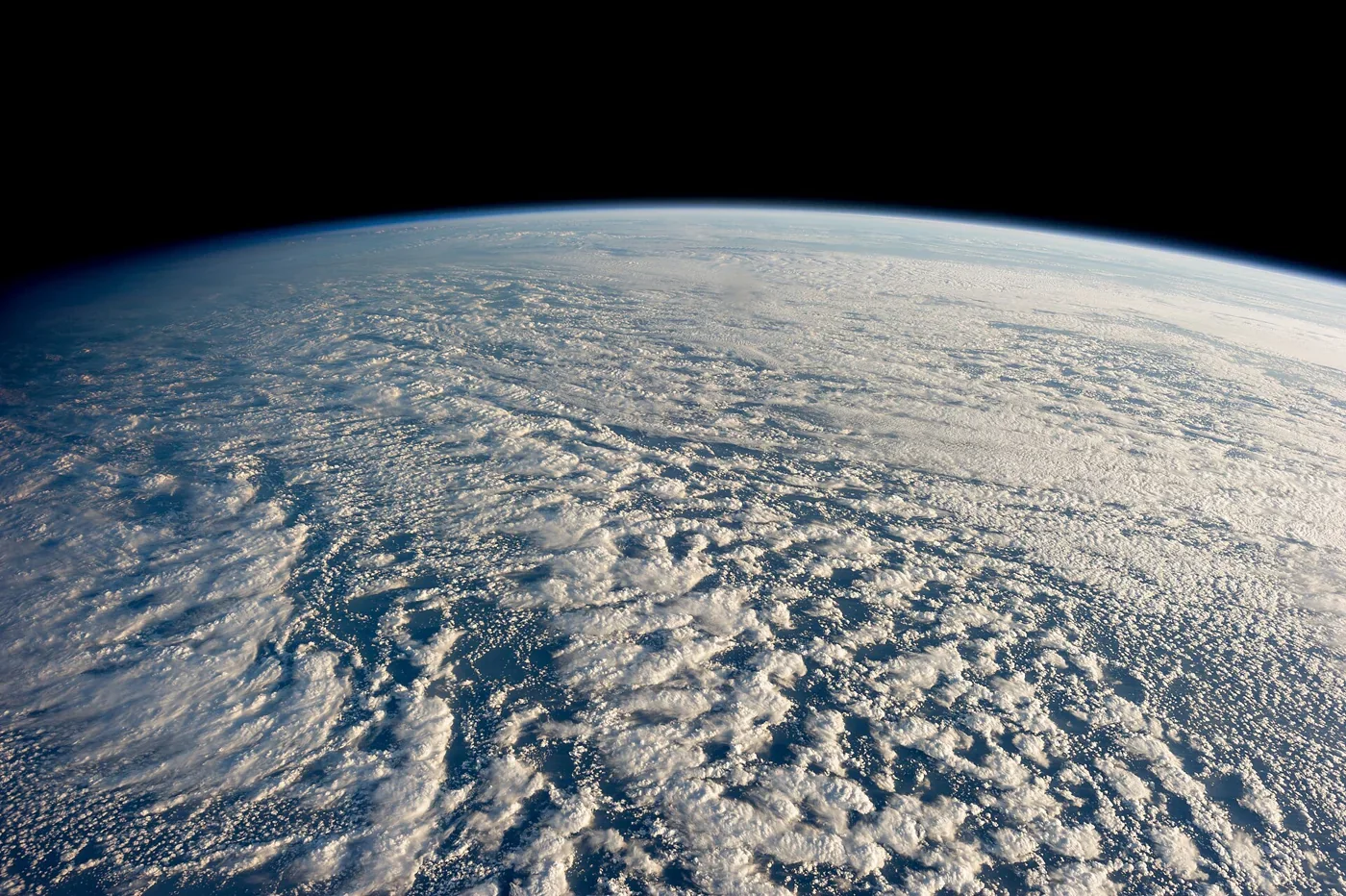
A seasonal outlook can tell a water manager where to pay closer attention; it cannot tell a household that a flood will reach its street next month. On 26 October 2026, the World Meteorological Organization released a global outlook indicating the current El Niño could be unprecedented in strength. The outlook describes probabilities for broad regions and seasons, giving governments and aid organizations time to prepare while leaving local forecasts essential.
What WMO said about the developing event
The WMO outlook for November 2026 through January 2027 says tropical Pacific sea-surface temperatures could rise to 3.8°C above average. The organization declares El Niño when the anomaly in that region is 0.5°C. WMO said the event was expected to peak toward the end of 2026, with impacts potentially continuing afterward. These are outlook statements and forecasts, not observations that every location will experience the same conditions. [1]
El Niño alters typical temperature and rainfall patterns across many regions, but the pattern is not a uniform global switch. The outlook identifies increased chances of certain conditions in specified regions. A probabilistic signal raises or lowers the likelihood of a seasonal pattern; it does not guarantee an individual storm, drought or heat event. [1]
Regional risks are not local warnings
WMO said wetter-than-normal conditions were more likely in parts of East Africa during the October–December rainy season, raising concern about heavy rainfall and flooding. For southern Africa, the outlook described increased risks of drier conditions that could affect crops, water availability and livelihoods from the typical start of the rainy season in November. The wording is regional and probabilistic; conditions can vary within each region. [1]
The outlook also described warmer conditions and rainfall deficits in Southeast Asia, increasing risks to heat exposure, agriculture and water supplies, as well as wildfire and smoke-haze risks. For the Americas, it pointed to increased rainfall in the Northwest United States and southern parts of western South America, with above-normal precipitation expected in North America and the northern Caribbean, and a higher likelihood of drought affecting some areas of the Amazon, southern Caribbean and Central America. [1]
Why probabilities are useful
A seasonal forecast is valuable precisely because it is not a promise about one event. A national emergency office might use a wetter-season signal to review flood plans, while an agricultural agency might consider how a drier-season risk affects water planning. This is risk management under uncertainty: a forecast can shift attention and preparation even when it cannot specify which community will be affected or on what date.
Imagine a local water utility using a regional dry-season outlook as one input among several. It could review monitoring, conservation communications and coordination with neighboring providers, then adjust as national and local forecasts are updated. The outlook does not itself establish that reservoirs will fall or that restrictions are needed. Those decisions depend on local conditions and official guidance.
From global signal to community decisions
WMO says regional and national forecasts are essential to identify where and when action is needed. That is the bridge between a global outlook and practical decisions: regional forecast forums refine the picture, national agencies assess exposure and local services communicate actionable information. As the season unfolds, observations can change the assessment. A seasonal outlook should not be treated as a substitute for current warnings. [1]
For readers, the useful next step is to check the relevant national meteorological service and local authorities for updated forecasts and preparedness information. Heat, smoke, water quality and emergency advice should come from official local guidance. If you live in an area named in a regional outlook, treat that as a reason to stay informed, not as evidence that a disaster is certain.
The forecast does not decide who is protected
WMO’s release frames the outlook as support for humanitarian action and preparedness, emphasizing that forecasts and early-warning systems can help protect vulnerable communities. But a forecast only helps when information reaches people in time and institutions can act. The forecast cannot by itself repair drainage, secure water access or ensure assistance reaches those most exposed. [1]
A strong outlook can therefore be read in two ways: as climate information and as a prompt to examine readiness. Communities and public agencies can ask whether warnings are accessible, plans are current and support is available for people with fewer resources to respond. Those are practical questions, not predictions of local weather. The next sound choice is to follow local updates and use the lead time to review relevant plans.
Follow the evidence
Primary reporting and background sources. Event dates and publication dates are shown separately above.
Read our editorial standards. Have a correction? Identify the article and relevant source in your feedback to the site owner.