tree day
Guide
What is phenology?
Phenology is the study of recurring seasonal events in plants and animals, and of how their timing relates to weather, climate and the conditions of a particular place.
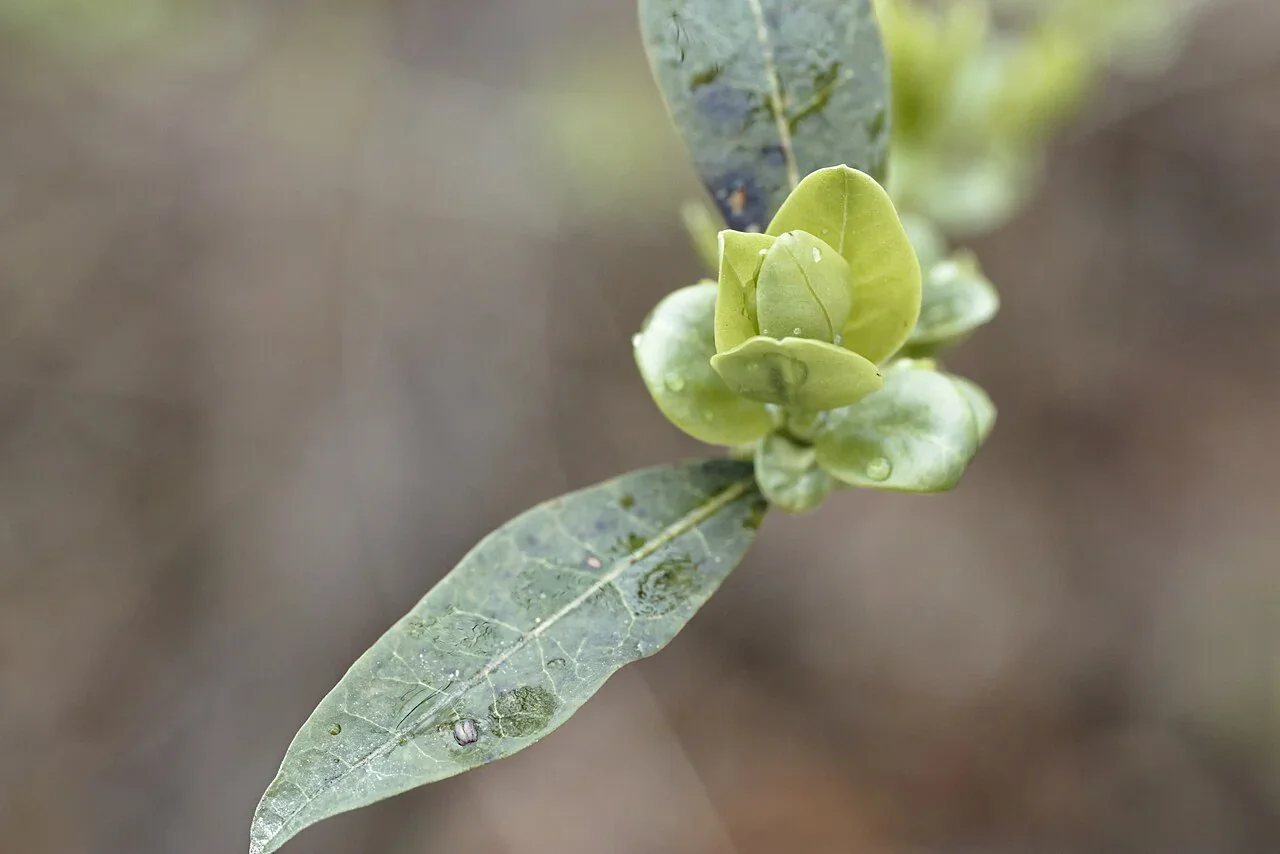
Phenology is the study of the timing of recurring natural events, such as a plant flowering, a bird arriving or an insect emerging. It connects those observable events to the seasonal conditions around them. Watching a tree leaf out is an observation; comparing that timing across years or locations is phenology. The idea offers a practical way to notice how living things respond to their environment.
A seasonal event becomes an observation
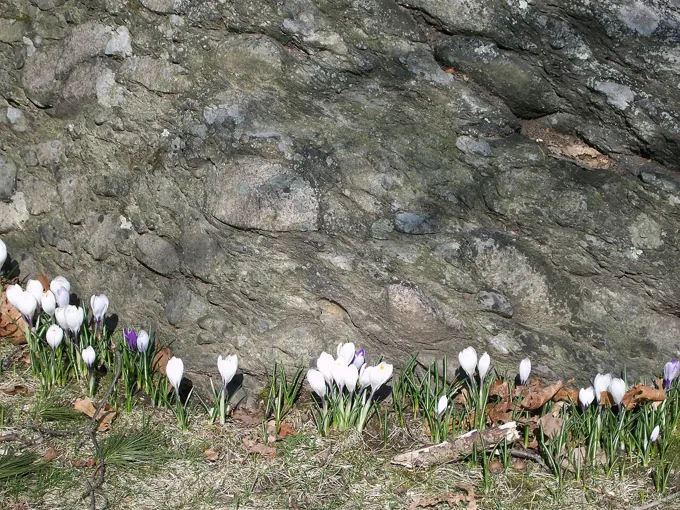
Phenological events are sometimes called seasonal markers: first flowering, leaf emergence, fruit ripening, migration or seasonal animal behavior. The important part is to describe what you actually see, rather than infer a cause immediately. “First open flower on this shrub” is more useful than “spring arrived,” because it names an event that another person could recognize and record.
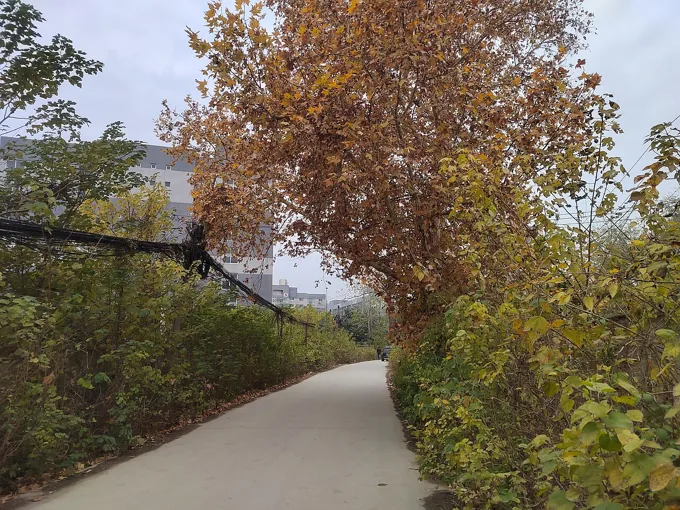
Nature’s timing is not a single calendar shared by every species. One tree may flower before another; a plant in a sunny courtyard may respond differently from one in a shaded park. Keeping the event and the place specific prevents a broad impression from being mistaken for a universal date.
Timing reflects conditions and biology
Plants and animals respond to cues in their surroundings, including seasonal changes in temperature and light, as well as species-specific biological patterns. The resulting timing can vary with local conditions. A warm spell may coincide with an early observation, but one observation by itself cannot establish why an event occurred or whether a long-term change is underway.
That is why records become more useful when they include context: location, date, the organism identified as carefully as possible, and what stage was observed. If a plant’s first flower is the event, decide what counts as “first”—one open flower, or several? A consistent definition helps make comparisons more meaningful, even when the observer changes.
Keep a record that can be compared
A notebook, calendar or simple spreadsheet can work. Record the date, a clear description, the location and an identifying note such as a photo. If you revisit a site, try to use the same route and notice whether the event is a new occurrence or one you may have missed earlier. These small habits reduce the risk of comparing different things by the same label.
Avoid making a strong conclusion from a single year or a single plant. A late observation could reflect a cool spring, a different individual, a missed earlier date, or local conditions such as shade. Repeated observations help show patterns, but a personal record is still a record of that place and method, not automatically a regional scientific finding.
Phenology differs from the cause of seasons
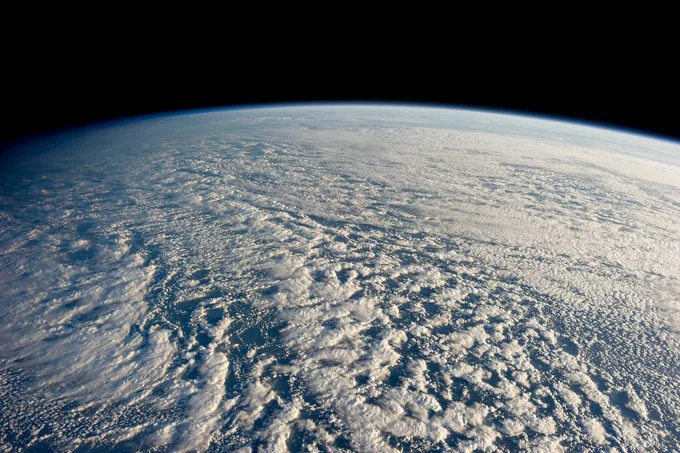
The astronomical seasons arise from Earth’s axial tilt, which changes the angle and duration of sunlight received by each hemisphere over the year [1]. Phenology concerns how living things’ recurring events line up with seasonal conditions. The two topics relate, but they answer different questions: one explains why broad seasons occur; the other tracks when organisms flower, migrate or change behavior.
This distinction matters when interpreting a plant’s early bloom. The date can be recorded as a phenological observation without claiming that climate change caused it. To make a broader claim, evidence would need to compare suitable records over time and account for where and how observations were made. A careful observer can be curious about possible causes while keeping the observation itself distinct.
Observe without disturbing the subject
Phenology can begin on an ordinary walk, but careful observation also means minimizing disturbance. The National Park Service’s Leave No Trace principles recommend leaving natural objects as found, avoiding the transport of non-native species and observing wildlife from a distance [2]. A photo or written note is usually enough; avoid handling nests, moving plants or approaching animals to get a closer view.
Choose one or two events you can revisit reliably, then record them with the same definitions and location notes. Over time, you will have a more useful account of what happened than a collection of vague impressions. Your next step is to pick a nearby plant or seasonal animal behavior and write down what you will count as the observable event before you begin tracking it.
Follow the evidence
Primary sources used in this story. Practical examples are illustrative unless a source states otherwise.
Read our editorial standards. Have a correction? Identify the article and relevant source in your feedback to the site owner.