tree day
Guide
How to track the first signs of spring?
A simple method for recording local spring observations consistently, from choosing a route and defining a first event to protecting wildlife and interpreting the results carefully.
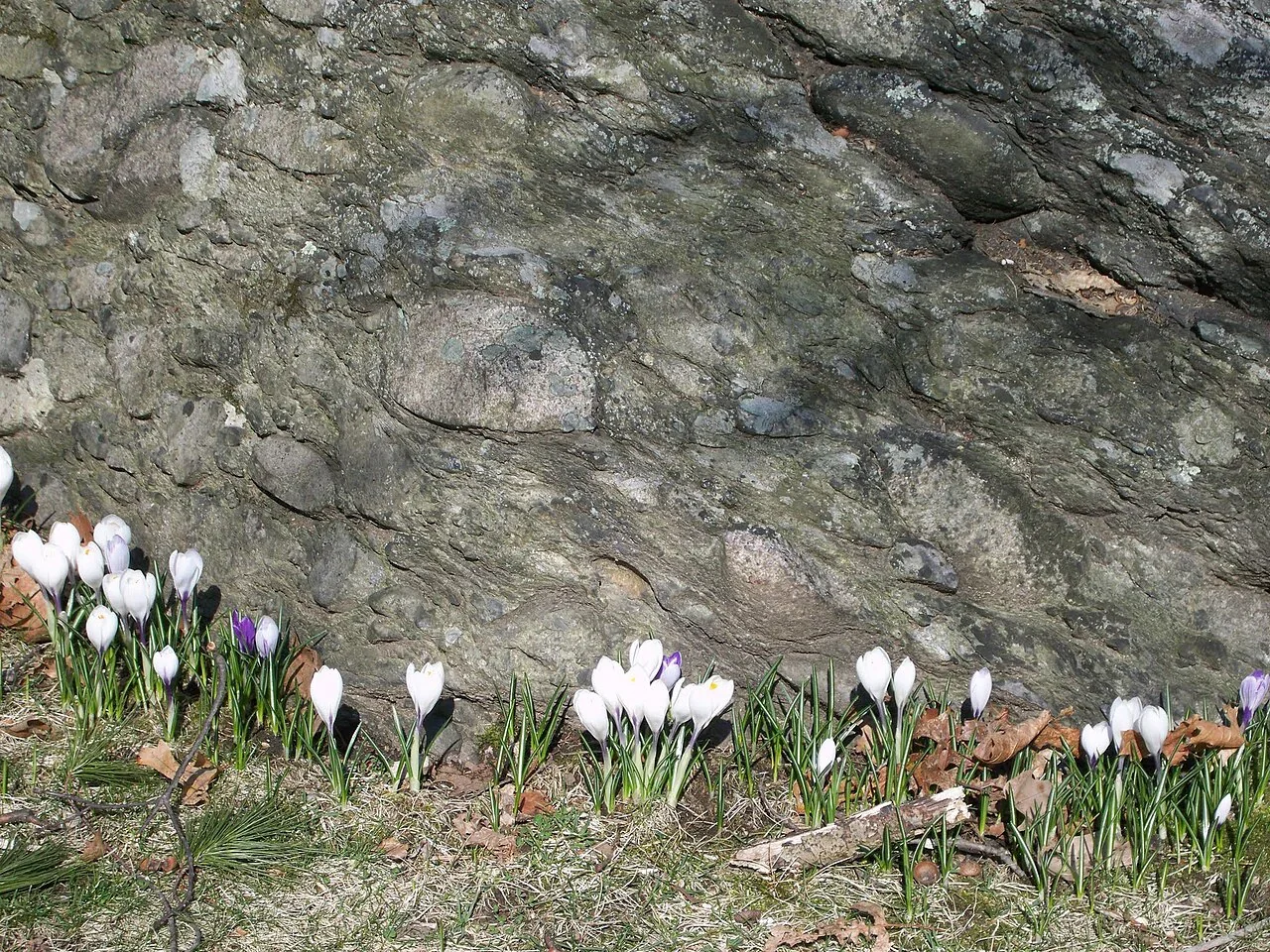
To track the first signs of spring, choose a nearby route, decide in advance which events you will record, and revisit it regularly using the same definitions. A first flower or returning bird can make a vivid note, but the date means more when you know where you looked and what counted as “first.” A small, consistent record is more useful than trying to notice everything at once.
Choose a route you can revisit
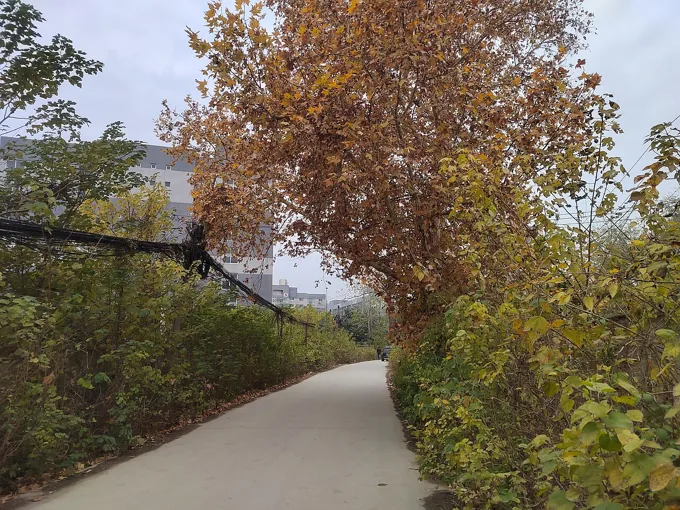
Pick a short walk you can repeat without special equipment: a block, park path or yard edge. Use the same general route and note its location, exposure and any major change, such as construction or tree removal. A sunny edge and a shaded corner may show different timing, so location is part of the record, not background detail.
Plan for safe, ordinary observation. Stay on established paths where appropriate and follow posted rules. The National Park Service’s Leave No Trace guidance recommends traveling on durable surfaces, leaving plants and other natural objects where they are, and observing wildlife from a distance [2]. That keeps tracking from becoming an excuse to trample a patch or disturb an animal.
Define the event before you see it
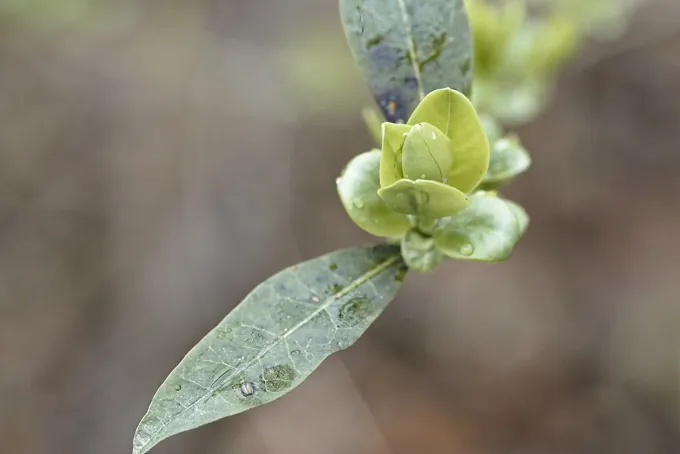
Choose a few signs you can identify with reasonable confidence, such as the first open flower of a familiar plant, a particular tree’s first leaf, or the first time you hear a seasonal bird call. Write down exactly what counts. For a flowering plant, does one open bloom count? For leaf emergence, do you mean a visible bud opening or a fully unfurled leaf? A clear rule makes the record repeatable.
You do not need to know every species to begin, but uncertainty should be recorded rather than hidden. A photo from a distance or a note like “yellow flowers on the sunny corner shrub” can be revisited later. Avoid handling or collecting specimens just to identify them; observation can remain simple and low impact.
Record dates with useful context
At each visit, note the date, approximate time, weather impression if relevant, location and whether the event was present. Add a photo from a similar viewpoint when that helps distinguish stages. If you visit weekly, your first recorded sighting is not necessarily the exact first day the event occurred; it is the first day you observed it. Say so in your notes.
Keep the record modest. A notebook or phone note is enough, and a short list of two or three signs is easier to maintain than a sprawling catalog. The goal is not to produce a perfect scientific dataset, but to create observations that make sense when you read them later. Consistency matters more than complicated formatting.
Compare carefully across years
Spring timing can vary from year to year and from one location to another. A single early flower does not prove a long-term shift, and a late sighting may mean you missed an earlier event. If you compare years, try to revisit the same route, use the same definition and identify changes that might affect visibility, such as a new planting or a different maintenance pattern.
Phenology is the study of recurring seasonal events in plants and animals; it is distinct from the astronomical cause of seasons. Earth’s tilt changes how sunlight reaches each hemisphere through the year [1], while a field note records when a specific organism’s event was observed. Keeping those questions separate lets you notice a pattern without claiming more than your notes show.
Respect wildlife and close the loop
Some seasonal signs involve nesting, migration or young animals. Give wildlife room, do not follow an animal to improve a record, and avoid sharing sensitive locations when publicity could attract disturbance. NPS guidance advises avoiding wildlife during sensitive times such as mating, nesting and raising young, and never feeding animals [2]. A missed close-up is preferable to changing an animal’s behavior.
At the end of the season, review which observations were clear and which were ambiguous. Keep the useful definitions for next year and revise any that led to inconsistent notes. The next step is to choose one short route and two observable signs, write down what counts for each, and schedule a repeat visit you can realistically keep.
Follow the evidence
Primary sources used in this story. Practical examples are illustrative unless a source states otherwise.
Read our editorial standards. Have a correction? Identify the article and relevant source in your feedback to the site owner.