tree day
Guide
How wildlife survives winter?
Wildlife gets through winter through a range of strategies, including movement, reduced activity, shelter and shifts in diet; which response works depends on the animal and its habitat.
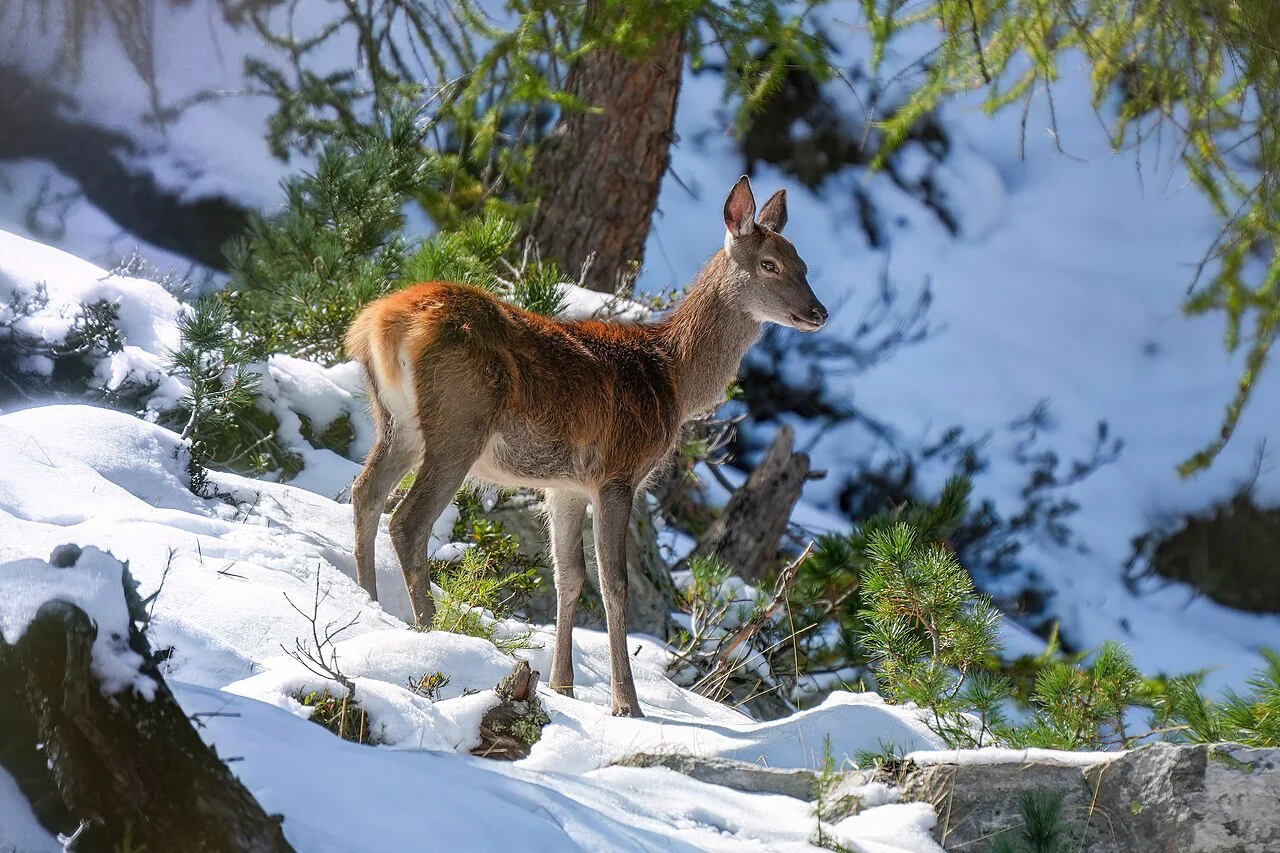
Wildlife survives winter in different ways: some animals move to more favorable places, some shelter, and some reduce activity when conditions make food harder to find. The right explanation depends on the animal, not on a universal winter rule. A quiet garden can still hold life, even when fewer animals are visible above ground.
Winter changes what is available
As seasons shift, daylight and temperature patterns change along with the availability of food and shelter. Earth’s axial tilt produces the broad seasonal cycle, bringing shorter days and less direct sunlight to the Northern Hemisphere during its winter. [1] But the experience of winter varies from one habitat to another, and animals respond to local conditions as well as the calendar.
For a small animal, a short spell of cold may matter less than whether it can find food and a protected place to rest. For another, movement to a different area may be the more effective response. The same species may also behave differently depending on age, health, food supply and habitat. These differences explain why one garden’s winter visitors are not a complete picture of what wildlife is doing nearby.
Movement can follow changing resources
Some animals shift range or migrate when the places they use become less suitable. The move may be seasonal and predictable, or a shorter relocation within a region. A disappearance from a yard does not prove that an animal has left the area; it may have changed its route or become harder to see.
Imagine a hypothetical bird that feeds where insects are plentiful in one season and later moves to a place where food is easier to find. The example captures the role of changing resources, but not every bird follows that pattern. Mammals, insects, amphibians and birds differ widely in how they handle cold and scarcity. For a specific species, its natural history is a better guide than a general label such as “hibernates.”
Shelter and reduced activity
Animals can make winter conditions more manageable by using sheltered places or reducing activity. A sheltered site may protect an animal from wind or exposure; lower activity can reduce the need to search for food. Some species have specialized seasonal states, while others remain active and forage when conditions permit. It is inaccurate to treat all animals as sleeping through winter or to assume that a hidden animal is in trouble.
This is why observation should begin with distance. Look for tracks, repeated signs or brief visits without opening a shelter or disturbing a suspected resting place. The National Park Service’s Leave No Trace guidance recommends observing wildlife from a distance and avoiding it during sensitive periods, including winter. [2] A fleeting glimpse is often all the evidence a careful observer needs.
A garden can be habitat without being a feeding station
A yard’s value may come from the cover it retains, not from constant human feeding. Fallen leaves, plant stems and sheltered corners can form part of the structure animals use. The precise benefits vary with local species and garden conditions, so there is no single arrangement that suits every place. Where a specific habitat question matters, local wildlife or extension guidance can help identify what belongs in your area.
Feeding wildlife can change behavior and bring animals closer to people; the National Park Service advises against feeding wildlife. [2] If you want to support wildlife, think first about maintaining suitable native habitat and reducing unnecessary disturbance. Do not handle, relocate or uncover an animal because it is not visible; contact a qualified local wildlife authority if an animal appears injured or is in a place of immediate concern.
Notice patterns without forcing an encounter
A quiet winter walk can still be informative. Choose a route and note dates, tracks, calls, feeding signs or species seen. Repeated records help distinguish a seasonal pattern from a single empty day, while leaving animals free to rest or move on. Avoid following tracks into dense cover or approaching a den, nest or roost.
Next time you wonder where the wildlife has gone, record what the habitat offers and what signs remain. That is a useful starting point for understanding winter survival without turning observation into an intrusion.
Follow the evidence
Primary sources used in this story. Practical examples are illustrative unless a source states otherwise.
Read our editorial standards. Have a correction? Identify the article and relevant source in your feedback to the site owner.