tree day
Guide
Spring garden jobs for wildlife?
Spring wildlife gardening begins with a light inspection: identify what is growing, avoid disturbing active wildlife and choose planting and maintenance tasks suited to the site and local species.
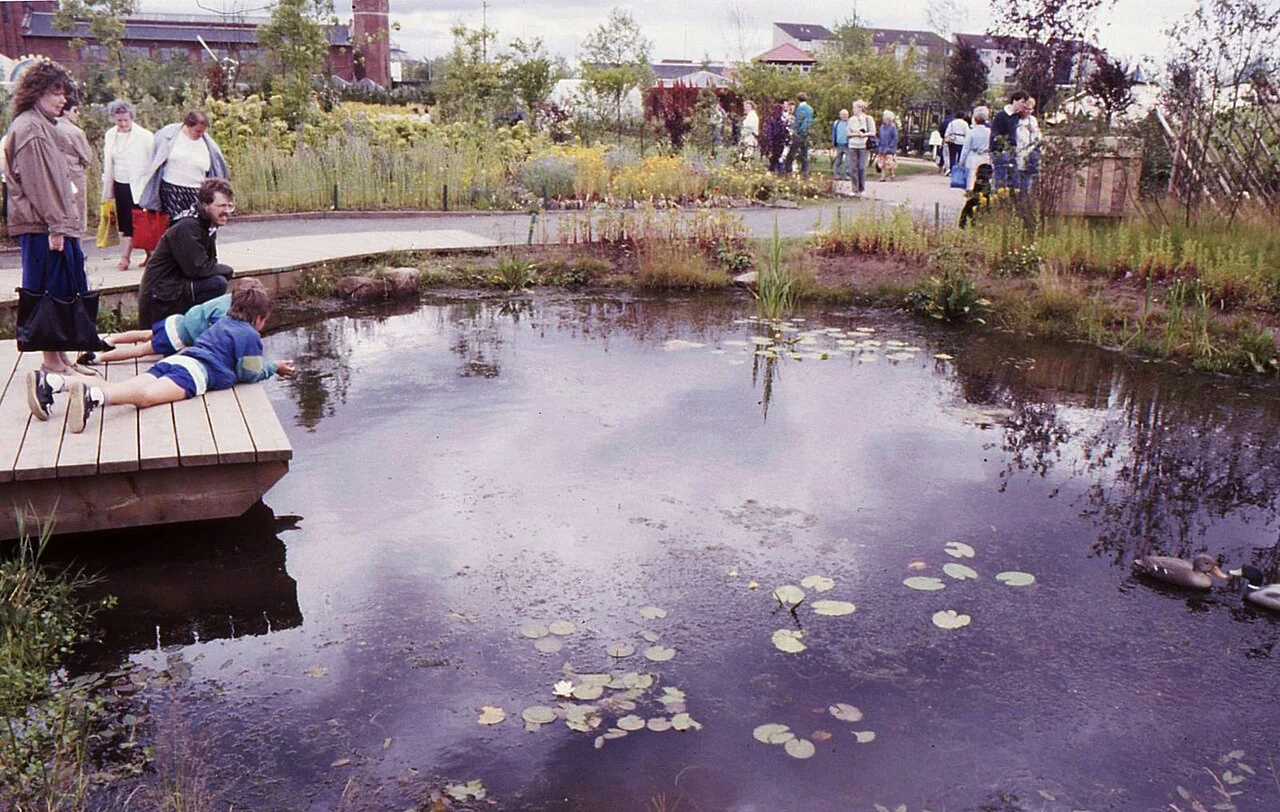
In spring, start garden work with a slow walk rather than a full cleanup. New growth can be easy to damage, and animals may be using places that looked empty over winter. Clear what affects safe access, identify plants before cutting or pulling them, and make new planting decisions around the conditions of your own garden.
Inspect before disturbing
Look for new shoots, standing stems, leaf piles and places that may be occupied before moving or removing anything. Work in small areas so you can notice what is changing. If you find a nest, resting animal or other sign of active use, keep your distance and leave the area undisturbed; seek local wildlife guidance if a problem needs attention.
The National Park Service recommends observing wildlife from a distance, avoiding approach or feeding, and being especially mindful during sensitive periods such as nesting and raising young. [1] A home garden is not a national park, but the practical lesson applies: inspection should not become an excuse to handle wildlife or dismantle a shelter.
Choose cleanup by purpose
Some spring cleanup is useful. Remove material that blocks a path or drain, or address a specific plant health problem. But cutting every stem to ground level on the first warm day can remove structure before you know what is growing or using the space. Identify plants and check species-specific guidance before pruning; timing and technique vary.
A hypothetical small garden might have a clear route to the door, a bed of perennial flowers and a shrub border. The route can be cleared for access while the beds are inspected gradually. If stems are dead, diseased or hazardous, deal with those for a reason; otherwise, wait until the plant’s growth pattern is clearer. That approach reduces accidental damage without requiring the garden to remain untouched.
Plant for the site you have
If you want to add plants, begin with local species guidance and the conditions of the planting spot. Sun exposure, soil texture, drainage and available water can all affect whether a plant establishes well. A species that benefits wildlife in one region may not suit another, and “native” alone does not guarantee that it fits every site.
For a tree or shrub, account for its mature size and the space around it. Locate underground utilities before digging, and check local advice on planting season and placement. The EPA describes trees and vegetation as having a natural cooling effect in urban environments and directs community members to consider local factors when planning planting. [2] That is useful context for a planting choice, not a substitute for matching a plant to the garden.
Water and mulch with local conditions in mind
New plants may need attention while establishing, but there is no universal watering schedule that fits every species, soil or climate. Check the soil and the plant’s needs, and follow local horticultural guidance. Mulch can help in some settings, but placement and depth should suit the plant and site; keeping material away from stems and trunks is a sensible starting point.
Spring weather can swing between dry and wet spells. A fixed calendar routine may waste water or leave roots too wet. Instead, inspect the planting area and adjust to what the soil and plant show. For questions about water restrictions, rainwater use or other local rules, check official local guidance because requirements vary by place.
Make one change, then observe
A wildlife-friendly spring garden does not need a complete makeover. Choose one low-traffic bed to manage gently, one plant to identify, or one locally appropriate species to research. Leave other areas alone until you understand what is growing and whether wildlife uses them.
Record what you did and what appears over the next few weeks. That simple note gives you a basis for deciding whether to repeat the change, adjust it or ask a local expert. The next useful job is the one your garden’s actual conditions call for.
Follow the evidence
Primary sources used in this story. Practical examples are illustrative unless a source states otherwise.
- US National Park Service: Leave No Trace seven principles ↗
- US EPA: Using trees and vegetation to reduce heat islands ↗
Read our editorial standards. Have a correction? Identify the article and relevant source in your feedback to the site owner.