tree day
Guide
El Nino vs La Nina?
El Niño and La Niña name opposite phases of a Pacific climate pattern, but the references do not document their mechanisms or effects. Here is how to separate that broad question from the seasonal cycle and a local forecast.
El Niño and La Niña are often discussed as if they were forecasts for a particular place, but those are different questions. The sources available for this article explain Earth's seasons and outdoor planning; they do not document the Pacific pattern's mechanics or regional effects. What they do support is a useful distinction: a seasonal cycle is not the same product as a local weather forecast.
Start with what the sources establish
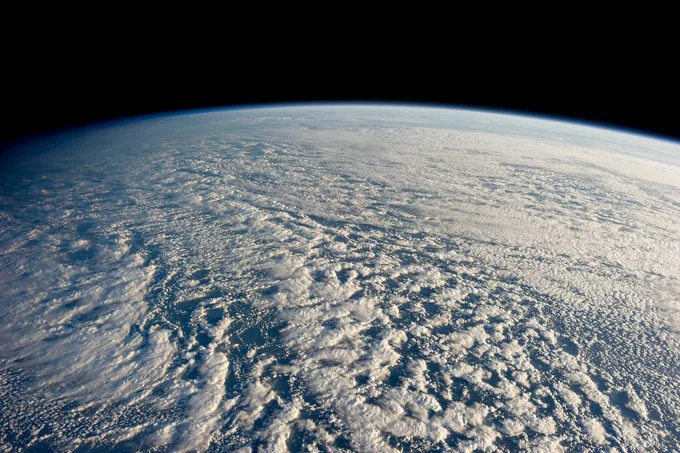
NASA explains that Earth's axial tilt causes the seasons: as Earth orbits the Sun, different parts of the planet receive more direct sunlight at different times of year. [1] This is the familiar annual cycle behind summer and winter in opposite hemispheres. It is not evidence about how El Niño or La Niña works.
That distinction matters because labels can sound interchangeable when they appear in the same weather conversation. A season is part of the repeating calendar cycle. A climate pattern is a different subject that requires its own evidence. The supplied material does not define the two phases, describe their ocean or atmosphere mechanisms, or establish what either phase means for a specific region.
Do not turn a broad label into a local prediction
Even when a climate discussion gives broad context, a person deciding whether to hike tomorrow needs information at a different scale. A local forecast and current official alerts address a place and time more directly. The National Park Service advises planning ahead for weather, hazards and emergencies when visiting outdoor areas. [2] For a specific outing, check the relevant local sources rather than assuming a climate label settles the question.
Consider a hypothetical family planning an outdoor gathering next weekend. They have heard one of the terms in a news report. That alone cannot tell them whether their park will be hot, wet or windy on the day. They should check the local forecast closer to the event, monitor official alerts and keep an indoor alternative.
Keep three questions separate
First, what creates the regular seasons? NASA's source answers: Earth's tilt changes the angle of incoming sunlight through the year. [1] Second, what does a particular climate pattern mean for a region over a longer period? That requires a source specifically about that pattern and regional impacts. Third, what conditions should I prepare for on a certain day? That calls for a local forecast and current hazard guidance.
Keeping these questions apart prevents a common reasoning error: using one broad explanation to answer a narrower question it does not address. A seasonal outlook, a climate discussion and a day-to-day forecast can each be useful, but they describe different time spans and kinds of information.
What a responsible comparison needs
A sound comparison of El Niño and La Niña would need evidence about how each phase is defined, how the Pacific ocean and atmosphere are involved, how impacts vary by region and season, and what current official outlooks say. None of those details appear in the references, so this article cannot responsibly assign effects, probabilities or timelines to either phase. [3]
That limit is useful for a reader: it marks the boundary between an established answer and a tempting guess. Avoid treating the terms as guarantees about local rain, temperature or storms. For safety decisions involving heat, smoke, water quality or emergencies, rely on official local guidance for that hazard.
Choose the right next source
If you want the basic physics of the annual seasons, NASA's explanation of axial tilt addresses that question. [1] If you need to compare El Niño and La Niña, seek an official climate source that specifically defines the phases and explains regional impacts. If you are planning an outing, check your local forecast and alerts for the relevant place and time.
For now, the practical next choice is straightforward: use a local forecast for a near-term plan, and consult a dedicated official climate source before drawing conclusions from either label.
Follow the evidence
Primary sources used in this story. Practical examples are illustrative unless a source states otherwise.
- NASA: What causes the seasons? ↗
- US National Park Service: Leave No Trace seven principles ↗
- NOAA Ocean Service: What are El Niño and La Niña? ↗
Read our editorial standards. Have a correction? Identify the article and relevant source in your feedback to the site owner.