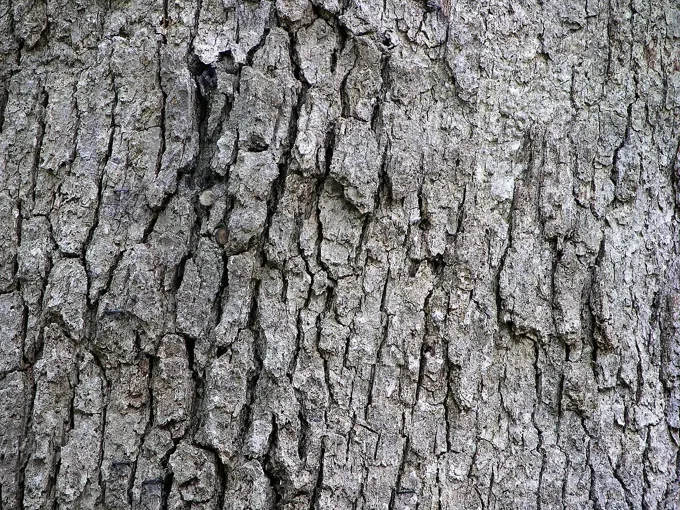
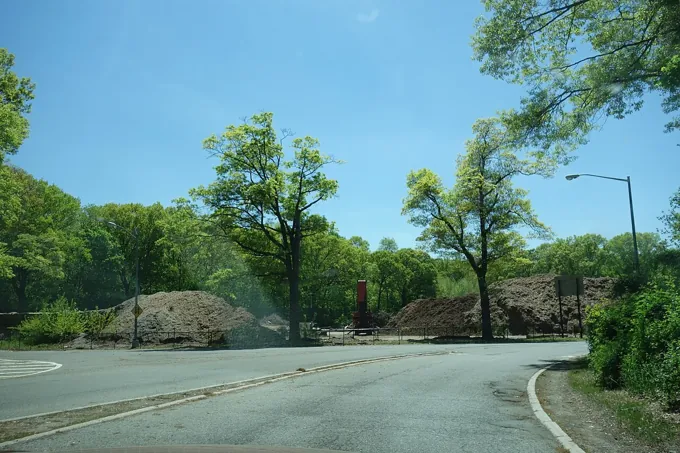
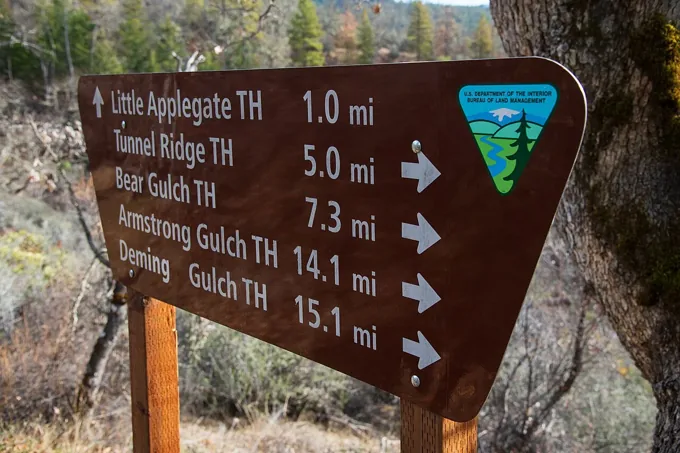
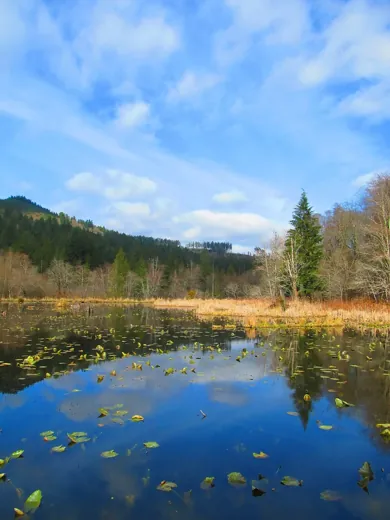
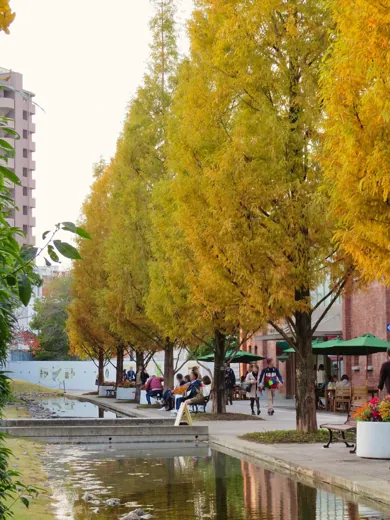
Learn trees by comparing a few observable features across repeated walks. Begin with leaves, bark, branching pattern and location, then confirm a likely identity with a regional guide instead of relying on one clue.
Preparing a garden for dry weather starts with understanding its soil, plants and water system. Prioritise the plants that need care, reduce avoidable losses and adapt watering to local conditions rather than following a fixed schedule.
Plan a heat day around current local conditions, access to shade and a simple option to shorten or cancel. A forecast helps with timing, while official local guidance should direct decisions during heat alerts or emergencies.
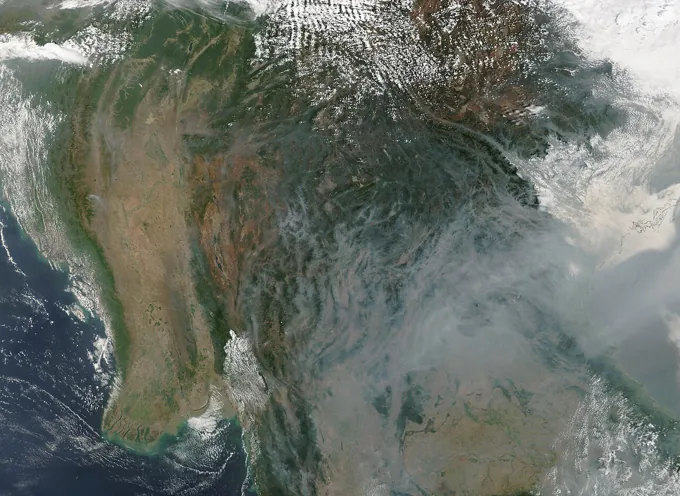
A smoke-aware day plan starts with current local air-quality information, a flexible schedule and an indoor alternative. Learn how to make decisions before leaving and adapt them if conditions change.
Plan a nature walk by choosing a route that fits the group, checking local conditions, and deciding how to travel without disturbing wildlife or plants. A simple itinerary leaves room to notice what is there and adapt along the way.
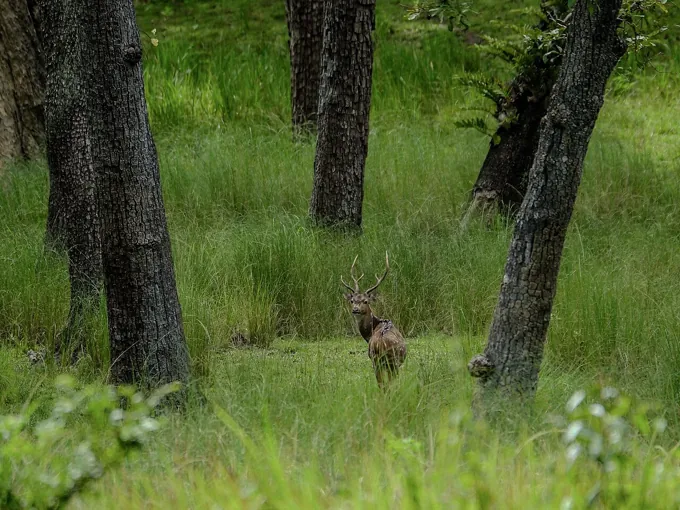
Ethical wildlife photography lets the animal’s behavior set the distance and duration of the encounter. Stay on permitted routes, avoid baiting or pursuit, and be ready to put the camera away when your presence changes what the animal is doing.
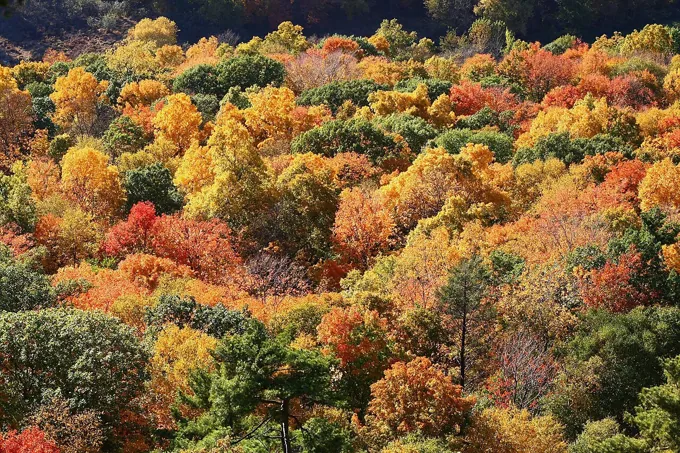
A patient way to notice autumn color is to compare the same trees over time, paying attention to light, weather and differences between species rather than chasing a single peak day.
Build a nature calendar from observations made in one place, not from assumed universal dates. Record what you see, where you see it and how certain you are, then use the entries to plan future walks.
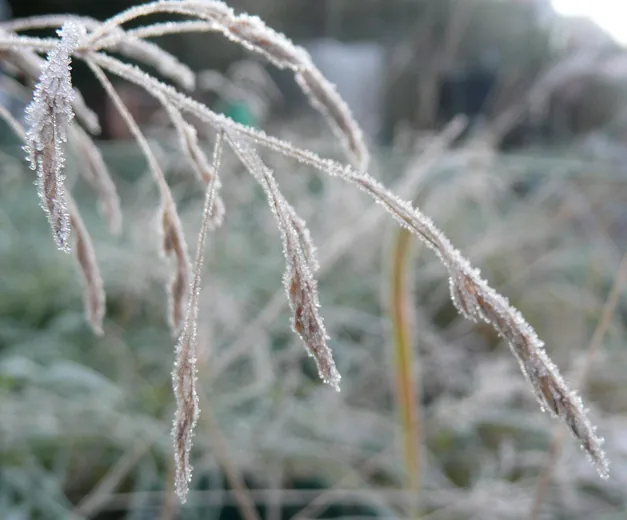
A wildlife-friendly winter garden usually needs selective restraint: keep useful cover where it is safe, avoid disturbing hidden animals and tailor any cleanup to the plants and conditions you have.
A rainfall diary turns scattered impressions into a useful local record. Log dates, measured rain, location and notes consistently, then use the record alongside official forecasts and water observations without mistaking it for a climate assessment.
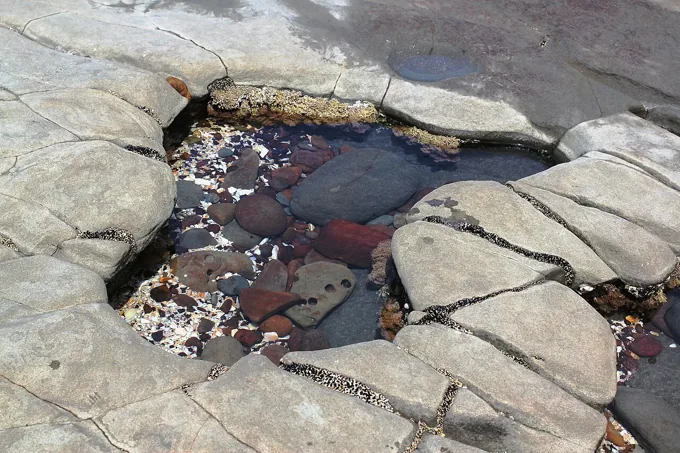
Explore tide pools by checking local access and tide information, walking carefully on durable surfaces, and observing animals without touching or moving them. Conditions and rules differ by shore, so let posted guidance determine where and when to go.
A fair comparison uses the same place, dates and measures, while keeping weather variability separate from long-term climate trends. Learn what one seasonal comparison can show—and what it cannot establish.
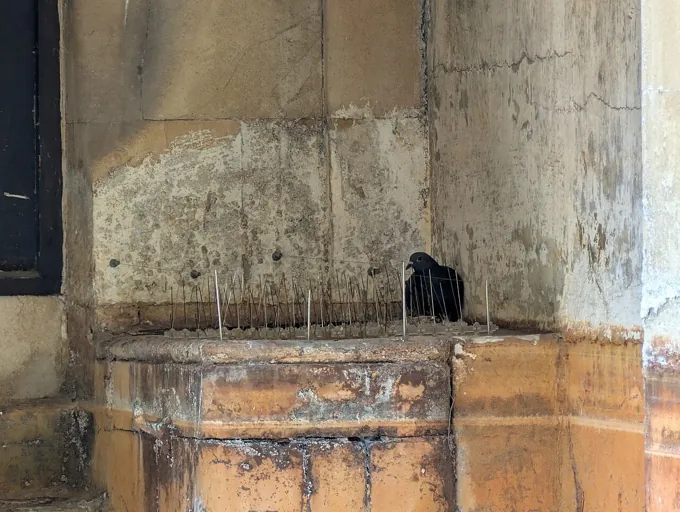
Give nesting birds space by staying on established routes, keeping people and pets back, and leaving when a bird changes its behavior. Follow local closures and viewing guidance, since the safest distance depends on the species and site.
Autumn wildlife gardening is mostly careful preparation: keep useful habitat, address genuine hazards, and make planting or cleanup choices that fit your local species, soil and weather.
 tree day