tree day
Guide
How to avoid disturbing nesting birds?
Give nesting birds space by staying on established routes, keeping people and pets back, and leaving when a bird changes its behavior. Follow local closures and viewing guidance, since the safest distance depends on the species and site.
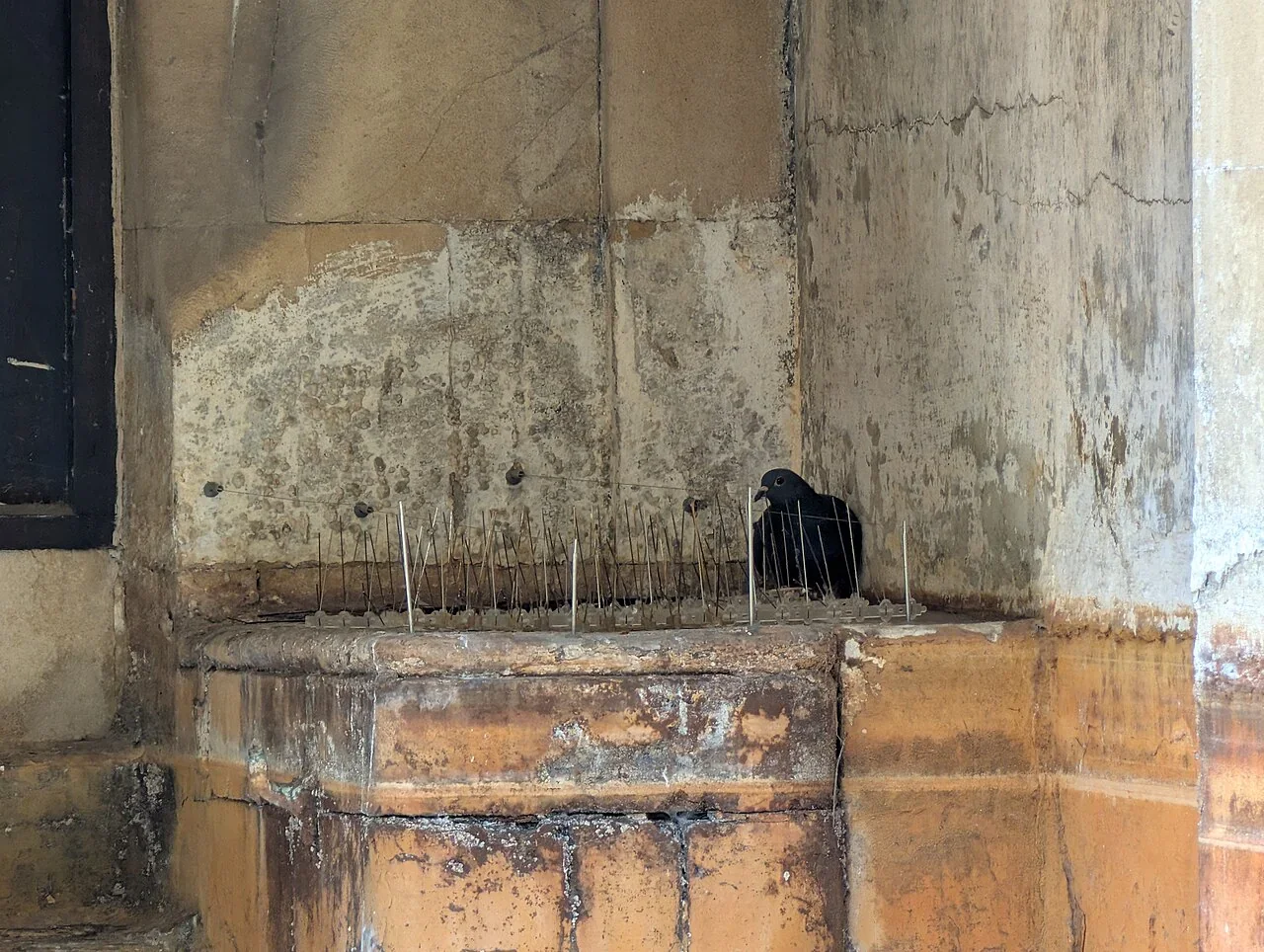
If a bird repeatedly calls, watches you closely or moves away while you approach, treat that as a reason to increase distance and leave the area. Nesting birds can be sensitive to disturbance, and a visitor who cannot see a nest may still be too close. The National Park Service advises avoiding wildlife during sensitive periods such as nesting and raising young, and says not to approach or follow animals. [1]
Use distance as your first safeguard
Stay on established trails and observe from a place where birds continue their normal behavior. Do not move closer to improve a view, and do not follow an adult bird that flies away; it may be drawing attention away from a nest or simply trying to escape. The NPS recommends observing wildlife from a distance and avoiding approach or pursuit. [1]
There is no single distance that is safe for every species, habitat or setting. Follow posted signs and local wildlife guidance, which may establish viewing boundaries or seasonal closures. If no guidance is visible, favor more distance and avoid entering vegetation where a nest could be hidden.
Read signs without trying to locate the nest
Repeated alarm calls, an adult bird making close passes, or a bird leaving a spot as you approach can suggest that your presence is affecting it. These signs are not a reliable way to identify a nest or assess its condition. Use them as a cue to back away, not as a puzzle to solve by looking harder.
Avoid searching bushes, tree cavities or shoreline vegetation for nests. The attempt to confirm where a nest is can create the very disturbance you hoped to avoid. Leave the bird’s movements to the bird, and do not linger in the area.
Keep pets and groups under control
A dog on a leash can still be close enough to cause disturbance, so respect closures and keep pets away from nesting habitat. The NPS advises controlling pets at all times or leaving them at home, and avoiding wildlife during nesting and the raising of young. [1] In a sensitive area, leaving a pet behind may be the simplest choice.
Groups can create more noise and movement than one visitor. Keep children with the group, speak quietly and pass through without gathering near a likely nesting site. If a group is large, split it where permitted or choose a different route; the NPS recommends small groups where possible. [1]
Photograph without changing the bird’s behavior
Use a longer lens or binoculars from a fixed, respectful position rather than moving closer. Do not use a camera flash near wildlife, play bird calls to attract a response, or wait beside a suspected nest for activity. A photograph is not worth making an animal alter its behavior.
For example, if a hypothetical walker notices a bird repeatedly calling from shrubs beside a trail, the useful choice is to continue past without stopping there. They can observe from farther away only if the bird settles and local rules allow it; otherwise, leaving the area is the clearer response.
Choose another place or time
Nesting seasons differ by species and region, so do not assume that a calendar date applies everywhere. Check current local notices and use designated viewing areas when available. The NPS lists nesting and raising young among the sensitive times when visitors should avoid wildlife. [1]
Before your next walk, check for closures, keep to the marked route and decide in advance to retreat if a bird appears unsettled. That small plan lets you enjoy birds without turning an encounter into a prolonged approach.
Follow the evidence
Primary sources used in this story. Practical examples are illustrative unless a source states otherwise.
Read our editorial standards. Have a correction? Identify the article and relevant source in your feedback to the site owner.