tree day
Guide
How to leave a garden for wildlife in winter?
A wildlife-friendly winter garden usually needs selective restraint: keep useful cover where it is safe, avoid disturbing hidden animals and tailor any cleanup to the plants and conditions you have.
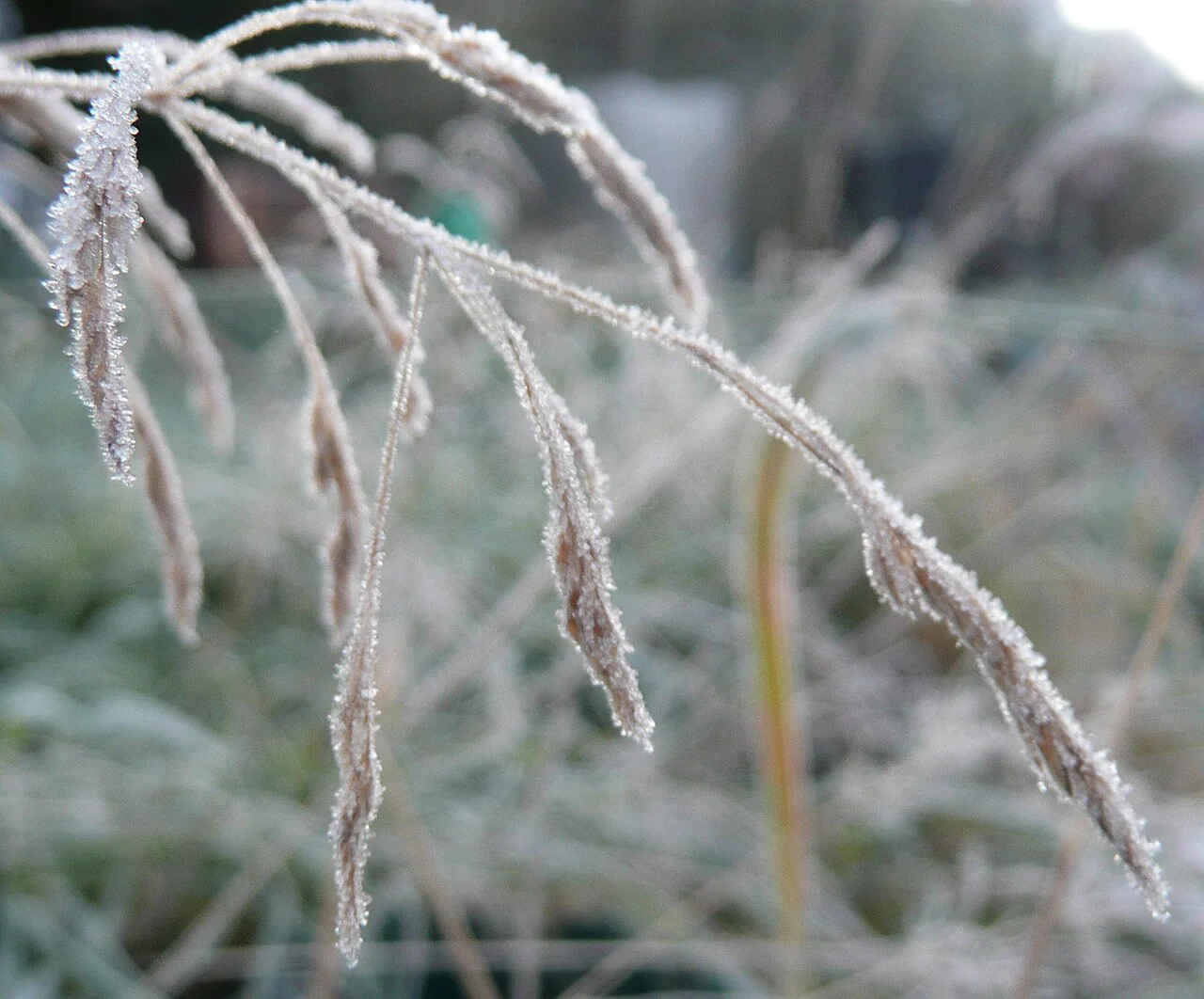
To leave a garden for wildlife in winter, resist the urge to clear every bed at once. A patch of fallen leaves, standing stems or an undisturbed corner can retain habitat structure, while paths, drains and areas with a safety concern still need attention. The practical goal is selective care: know what you are keeping, what must be cleared and why.
Begin with a walk-through
Before picking up tools, walk the garden and note where leaves have collected, which stems remain upright and which spaces people need to use. Look for obvious hazards such as blocked access or material piled against a structure. The best winter plan is shaped by your plants, local wildlife, climate and the layout of the space; a small courtyard and a large wooded yard call for different choices.
Pause before moving piles or opening dense cover. An animal may be using a quiet spot, and an absence of visible activity does not mean the area is empty. The National Park Service advises observing wildlife from a distance and avoiding it during sensitive times, including winter. [1] If you suspect an animal is present, leave that spot undisturbed and seek local wildlife guidance when necessary.
Keep some structure where it helps
In a hypothetical garden with a path, a vegetable bed and a mixed flower border, the path can be cleared for safe walking while some leaves remain beneath shrubs and stems stay standing in a less-used border. That arrangement preserves a mix of open and sheltered areas without turning the entire yard into a debris pile. The details depend on what is planted and what local wildlife uses.
A common mistake is to assume that more untidiness always means more habitat. A thick layer against a building, material that blocks drainage, or invasive plant debris may create other problems. The choice is not simply “tidy” or “wild”; it is deciding where natural material can stay without creating a practical issue. If the garden contains plants you cannot identify, local horticultural guidance can help you decide what should be removed.
Handle leaves as a site-specific choice
Leaves can be left under trees and shrubs where they do not smother plants or interfere with paths and drains. They can also be gathered into a compost system if that suits the garden and local rules. Avoid moving leaves from one site to another without considering pests, plant disease or local guidance. A practice that works in one garden may be a poor fit in another because soil, plantings and moisture differ.
Rather than aiming for a blanket layer, notice how leaves settle. If a young plant or low groundcover is buried, gently clear only what is needed. If a path becomes slippery, remove leaves from the walking surface. Keeping a few undisturbed pockets can be a reasonable compromise between access and habitat.
Choose cleanup for a reason
Some maintenance cannot wait: a blocked drain, a plant disease problem or a branch that creates an immediate hazard may call for attention. Routine cutting simply because stems look spent can wait until you know what the plants are and whether the material serves a purpose. The Leave No Trace principles emphasize leaving natural objects in place and minimizing effects on wildlife in outdoor settings. [1] In a private garden, that idea is most useful as a prompt to make each intervention deliberate.
If you prune, remove material only for a clear horticultural or safety reason, and use guidance for the particular species and season. Do not assume a general calendar rule applies to every shrub. If work involves a large tree or a concern beyond ordinary garden maintenance, consult a qualified local professional rather than improvising.
Make one manageable change
You do not have to redesign the whole garden to make a thoughtful winter choice. Pick one low-traffic area where leaves or stems can remain, keep essential paths clear, and check that the retained material is not creating a drainage or safety issue. That gives you an observable trial for the season.
Next, note what returns or changes as spring approaches. The choice to retain, move or remove material can then respond to the actual garden rather than an abstract idea of a perfect wildlife space.
Follow the evidence
Primary sources used in this story. Practical examples are illustrative unless a source states otherwise.
Read our editorial standards. Have a correction? Identify the article and relevant source in your feedback to the site owner.