tree day
Guide
How to plan a smoke aware outdoor day?
A smoke-aware day plan starts with current local air-quality information, a flexible schedule and an indoor alternative. Learn how to make decisions before leaving and adapt them if conditions change.
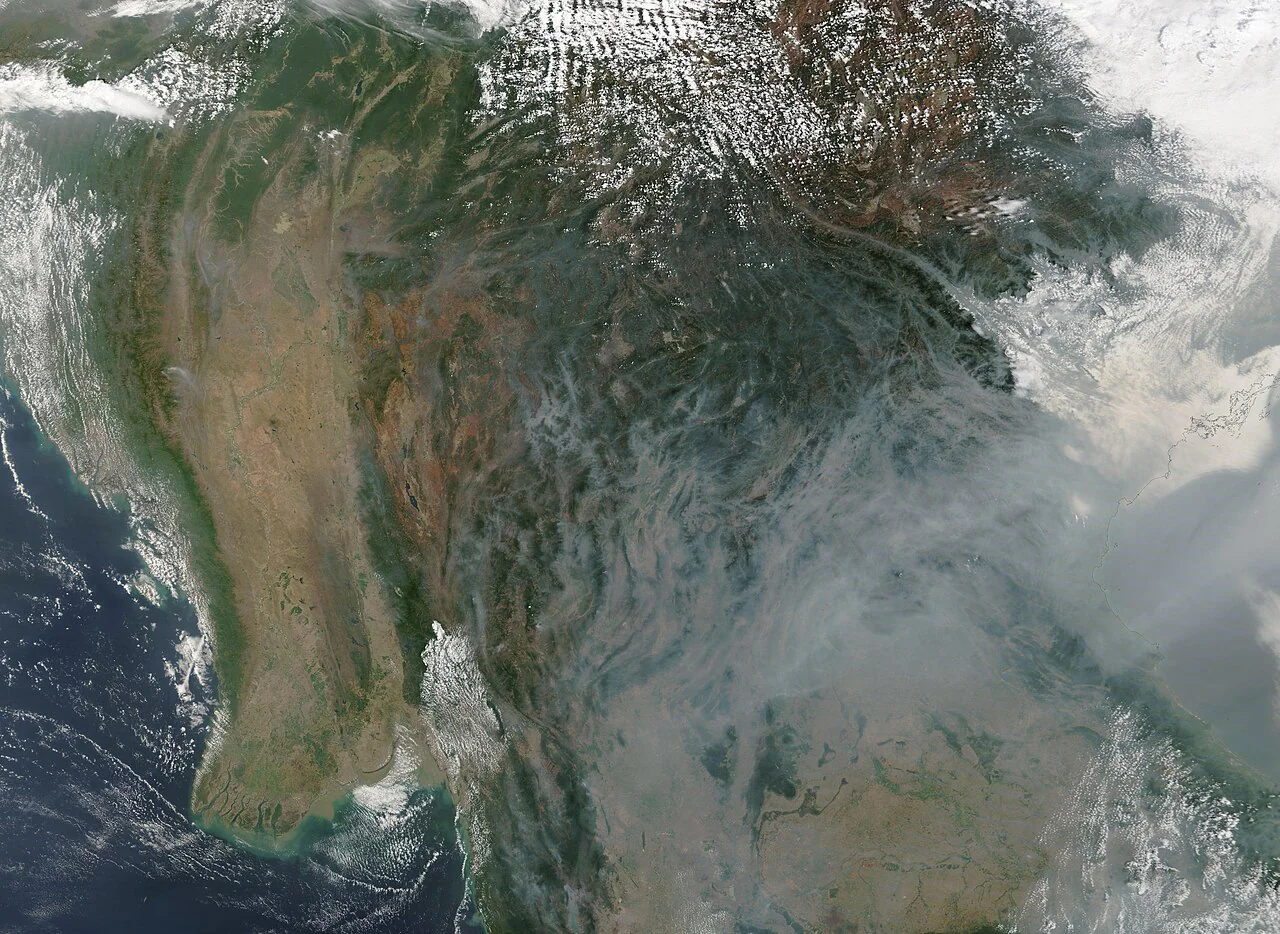
To plan a smoke-aware outdoor day, check the current air quality for your location before choosing the activity, and build in a way to shorten, move or cancel it. Smoke levels can change during the day, so a decision made at breakfast may need revisiting before a run, picnic or afternoon game. A flexible plan protects the day’s purpose without treating a forecast as a guarantee.
Start with the air where you are
Use official local air-quality information, such as the AirNow Fire and Smoke Map in the United States, to check current conditions and forecasts. The U.S. EPA says the map displays air-quality monitors, smoke plumes and information about individual fires. It also advises checking frequently because smoke concentrations can change quickly. [1] [2]
Look at the AQI category and its recommended actions, rather than relying only on a distant fire location or how clear the sky appears. The EPA explains that the AQI translates pollutant concentrations into a color-coded index intended to communicate whether air is healthy or unhealthy and when people may consider reducing exposure. [2]
Build a plan with a switch point
Before leaving, decide what will happen if air quality worsens: shorten the route, reduce exertion, move to an indoor option or cancel. Pick a time to check again—before the activity begins, and at a natural break if it lasts several hours. This simple switch point makes it easier to respond to updated information rather than debating from scratch once everyone is already outdoors.
For example, imagine a family planning a park walk. They check the local AQI in the morning and identify a nearby indoor activity as a backup. If the reading or official advice changes before the walk, they can switch plans; if air is acceptable for their circumstances, they still recheck before setting out. That is a planning example, not a universal threshold or forecast.
Match activity to conditions
The EPA advises people to wait until air quality is better before being active outdoors when possible. If someone must go outside when smoke is in unhealthy categories, its guidance is to spend as little time outside as possible, reduce activity and take breaks in cleaner air if available. [2]
This distinction matters because a short, necessary trip and a strenuous recreational session are not the same exposure choice. If the outing is optional, postponing or moving it indoors may be simpler than trying to make a long, vigorous event work in smoky air. Follow the current AQI recommendations for your area.
Plan with people’s different needs in mind
Some people may be more vulnerable to smoke-related effects, including children, older adults, pregnant people and people with certain heart or lung conditions. The EPA recommends that sensitive groups take more precautions when air quality is unhealthy, while everyone should take precautions when it trends into unhealthy categories. [2]
If a group includes people with different needs, plan around the person who requires the most caution. That might mean choosing a shorter outing, an indoor venue or a day with better air. For health-specific questions, use appropriate professional guidance rather than trying to infer personal risk from a general article.
Choose a safe fallback, not just a cooler one
If you move indoors, consider whether the place offers cleaner air. EPA guidance for homes includes keeping windows and doors closed when smoke is outside, using air cleaners where available and limiting activities that add particles indoors. If heat is also a concern, the agency notes that staying cool matters and that people may need to weigh cooling against smoke exposure. [2]
A practical next step is to save the official local air-quality page or app, choose a backup location before the day begins and set a reminder to check conditions again before the outdoor portion. That turns flexibility into a usable plan.
Follow the evidence
Primary sources used in this story. Practical examples are illustrative unless a source states otherwise.
Read our editorial standards. Have a correction? Identify the article and relevant source in your feedback to the site owner.