tree day
Guide
Autumn garden jobs for wildlife?
Autumn wildlife gardening is mostly careful preparation: keep useful habitat, address genuine hazards, and make planting or cleanup choices that fit your local species, soil and weather.
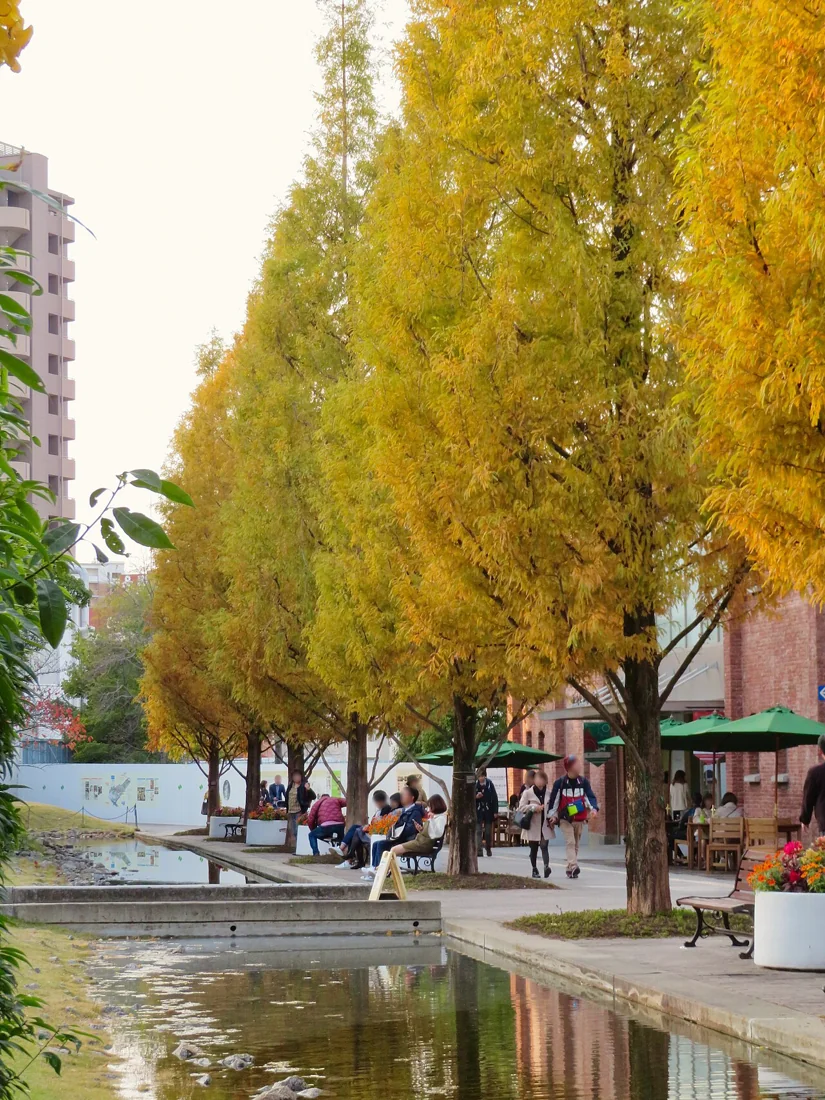
The most useful autumn garden jobs for wildlife are often small: leave some seed heads, keep a leaf-covered corner where it is safe, and avoid disturbing sheltering animals. Other work—clearing a blocked drain or dealing with a plant health problem—may still be necessary. The season is a chance to prepare thoughtfully, not a signal to strip every bed before winter.
Decide what needs doing before cutting
Walk through the garden and identify what is essential before reaching for shears. Paths may need clearing, a diseased plant may require attention, and a spent stem may be harmless to leave in place. Distinguish between a task that prevents a real problem and a task driven mainly by appearance. That pause can preserve useful structure while keeping the garden functional.
If a plant is unfamiliar, identify it before removing or moving its seed heads. Plants differ in how they set seed, respond to cold and spread; local conditions also matter. A seed head that benefits wildlife in one setting may belong to a plant that should not be allowed to spread in another. Local extension or native-plant resources can help with that decision.
Leave some food and cover
Where it is safe and appropriate, retaining some seed heads, stems and fallen leaves can keep food and cover within the garden. The benefit depends on which species are present and what the garden contains, so avoid promising that one feature will attract a particular animal. A mixed approach is often practical: keep a few undisturbed areas and maintain clear routes through the space.
For example, in a hypothetical border beside a frequently used walkway, you might clear the path and leave selected stems farther back. If leaves gather over low plants, move only what is needed rather than removing every leaf from the bed. The aim is not to maximize debris; it is to retain some structure without creating a maintenance or plant-health problem.
Treat planting as a local decision
Autumn can be a suitable time for some planting, but timing and species choice depend on climate, soil and the plant’s needs. A tree or shrub intended to support local wildlife should be appropriate to the region and to the site’s space, light and moisture. The U.S. Environmental Protection Agency notes that trees and vegetation can have a cooling effect in urban settings and points community members toward local factors when considering tree planting. [2] That general urban benefit does not determine which species belongs in a particular garden.
Before buying a plant, check whether it is suited to your local conditions and whether it will fit at maturity. Consider the soil and available water rather than relying on a fixed calendar. If planting a tree, locate underground utilities before digging and consult local guidance for species and placement.
Avoid disturbance during a seasonal transition
Wildlife may use dense plants or leaf piles as shelter. Move material slowly, and leave a suspected occupied spot alone rather than inspecting it closely. The National Park Service advises keeping distance from wildlife and avoiding disturbance during sensitive periods, including winter. [1] That principle is useful in autumn too, when a garden may already be shifting toward sheltering and reduced activity.
Do not feed wild animals as a substitute for habitat. Feeding can alter their behavior and create risks; the National Park Service specifically advises against it. [1] A better first step is to retain suitable cover, avoid unnecessary disturbance and learn which native plants support the local community of wildlife.
Make a short seasonal plan
Write down three categories: clear for access or safety, leave for habitat, and research before acting. That list can guide a manageable autumn visit and prevent every bed from becoming an emergency cleanup project. Revisit the plan after heavy weather or if you notice a specific plant or drainage problem.
Next, choose one bed to manage selectively this year. Keep the path usable, retain a small amount of suitable plant structure and seek local advice for anything you cannot identify. The result will be a garden plan built around its actual conditions.
Follow the evidence
Primary sources used in this story. Practical examples are illustrative unless a source states otherwise.
- US National Park Service: Leave No Trace seven principles ↗
- US EPA: Using trees and vegetation to reduce heat islands ↗
Read our editorial standards. Have a correction? Identify the article and relevant source in your feedback to the site owner.