tree day
Guide
How to explore tide pools responsibly?
Explore tide pools by checking local access and tide information, walking carefully on durable surfaces, and observing animals without touching or moving them. Conditions and rules differ by shore, so let posted guidance determine where and when to go.
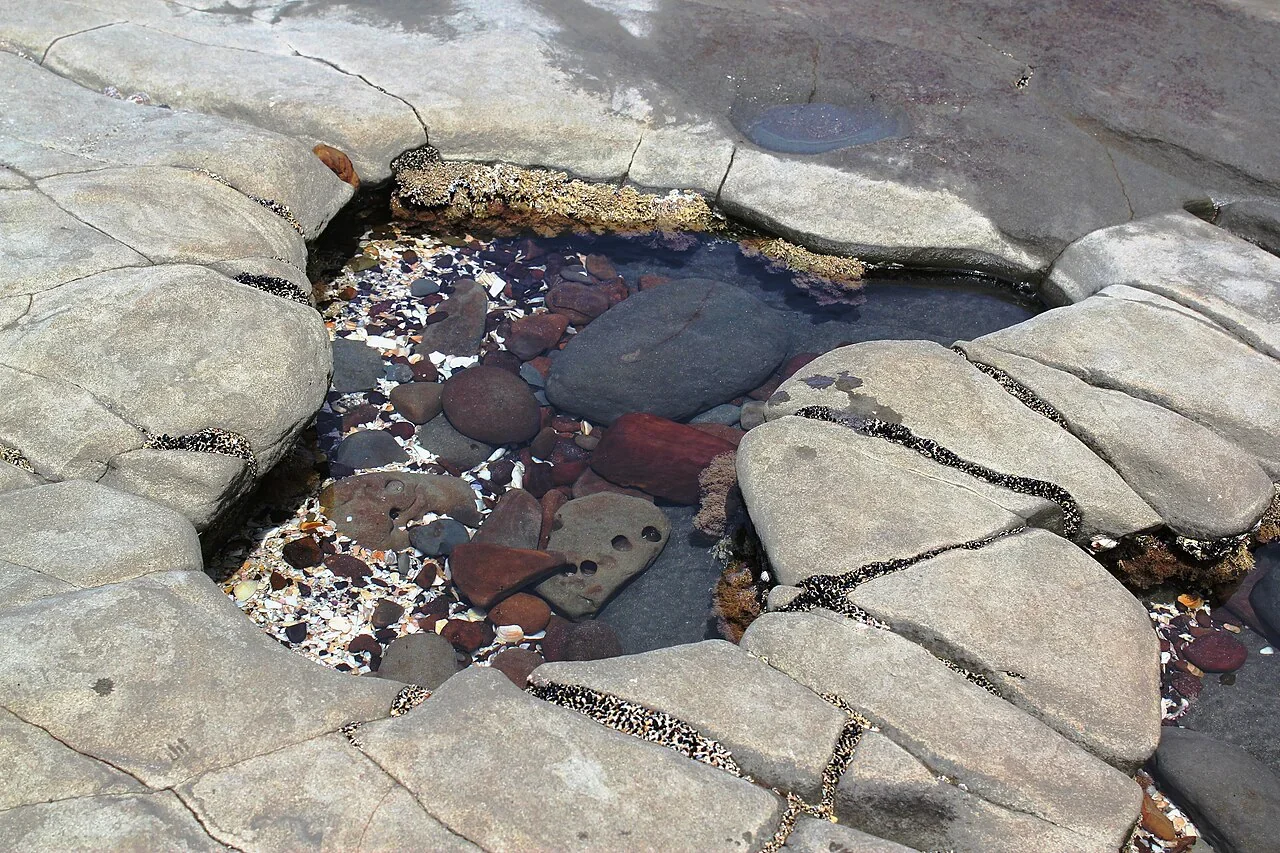
A tide pool is a living habitat, not a tray of specimens. Responsible exploration begins with knowing whether access is safe and permitted, then looking without handling the animals that live there. The National Park Service’s Leave No Trace guidance applies broadly: travel on durable surfaces, leave natural objects as found and observe wildlife from a distance. [1] On a rocky shore, those habits protect both small organisms and your footing.
Check access, timing and local guidance
Before heading out, look for local tide information, shoreline closures and safety notices. Tides, surf and slippery rock can change conditions quickly, while access rules vary by coast and site. Do not treat a low tide prediction as a guarantee that every pool is safe to reach; follow local guidance and turn back if waves or footing make the route uncertain.
Choose a visit time that leaves room to return comfortably before conditions change. Tell your group where you will walk, and keep children within easy reach on exposed rock. If a site is closed to protect habitat or for safety, choose another shore or viewing area.
Move slowly on sturdy ground
Walk on bare rock or other durable surfaces where allowed, and avoid trampling seaweed beds or soft shoreline life. The NPS advises using durable surfaces and leaving natural features in place. [1] Step carefully, testing footing before putting your weight down; wet rock can be slick even when it looks rough.
Avoid climbing over ledges or balancing near breaking waves to reach a pool. A better view is not worth losing secure footing. If you cannot observe from a stable place, leave that pool for another visitor or another day.
Look closely without touching
Use your eyes, a small pair of binoculars or a camera to notice patterns in the pool. Resist lifting rocks, picking up animals or moving seaweed to reveal what is underneath. The NPS says to leave natural objects as found and to observe wildlife from a distance. [1] Turning over a rock can expose organisms that depend on its shelter and moisture.
A hypothetical family might choose one pool visible from a broad, stable ledge and take turns looking from the same spot. That keeps feet away from neighboring pools and avoids crowding the edge. If an animal retreats or the group cannot view it without handling, move on.
Keep food, rubbish and pets out of the habitat
Pack out all wrappers and leftover food, and do not feed wildlife. The NPS advises packing out trash and food and explains that feeding wildlife can alter its behavior and expose it to danger. [1] On a shore, scraps can also be carried by wind or water beyond the place where they were dropped.
Check local pet rules before visiting. Even a well-behaved dog can disturb animals or people in a narrow intertidal area. Where access is permitted, keep pets controlled; where restrictions apply, follow them or leave the pet at home.
Leave the shore as you found it
Do not collect shells, rocks or living organisms unless local rules explicitly allow an activity; the safest default is to leave the natural scene intact. The NPS guidance advises leaving rocks, plants and other natural objects where they are. [1] Avoid building cairns or rearranging objects for photographs, since small changes can invite more visitors to handle the habitat.
Before your visit, check the local tide and access guidance and decide which stable viewing area you will use. If conditions are rough or the shore is closed, choose a safer viewpoint and return another time.
Follow the evidence
Primary sources used in this story. Practical examples are illustrative unless a source states otherwise.
Read our editorial standards. Have a correction? Identify the article and relevant source in your feedback to the site owner.