tree day
Guide
How to compare this season with last year?
A fair comparison uses the same place, dates and measures, while keeping weather variability separate from long-term climate trends. Learn what one seasonal comparison can show—and what it cannot establish.
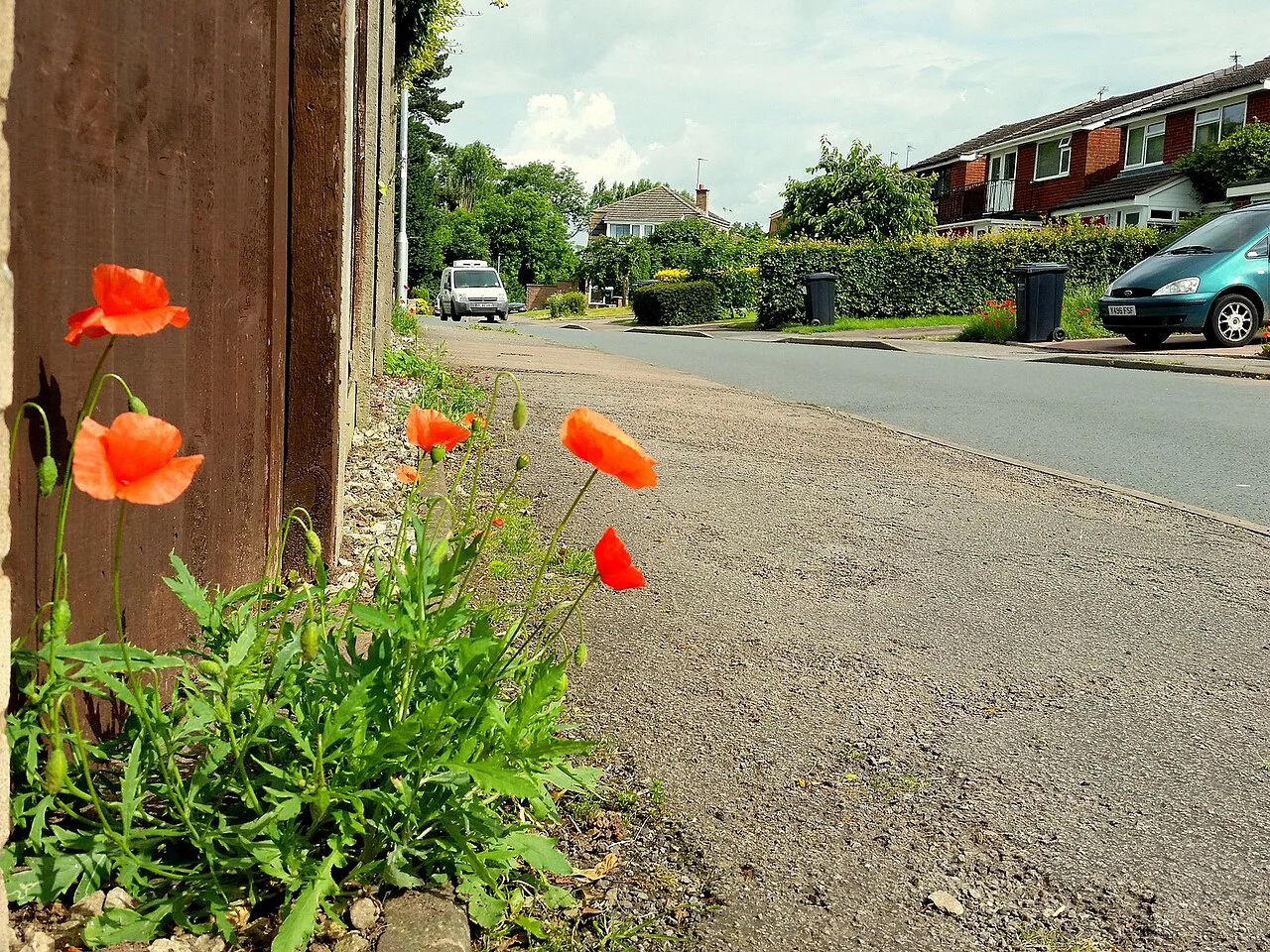
To compare this season with last year, line up the same location, the same dates and the same measurement before drawing a conclusion. A wet spring against a dry one may matter to a garden, but a two-year comparison does not by itself reveal a climate trend. The first task is to make the comparison fair; the second is to be clear about what it can tell you.
Match the window before comparing numbers
Choose a clear period, such as the same calendar season at the same weather station or property. Compare the same variable—rainfall with rainfall, or temperature with temperature—and check units and measurement methods. If a station moved or your own gauge changed location, note that difference rather than treating the records as perfectly equivalent.
For example, someone tracking a garden could compare rainfall during the same three months in both years using the same gauge location. That hypothetical comparison may help explain why soil or planting conditions felt different, but it cannot show exactly how much water each plant received.
Keep weather and climate in separate frames
Weather describes atmospheric conditions over short periods, from minutes to days. Climate refers to long-term patterns and averages, usually over at least 30 years, according to NASA. [1]
That distinction limits what last year can prove. A comparison between two seasons describes those seasons; it does not establish that a region’s climate has shifted. To understand longer-term change, use sustained records and authoritative climate data rather than extrapolating from one striking contrast.
Choose a measure that answers your question
For a garden, total rainfall may be a useful starting point, but timing matters too. The USGS explains that water availability depends on quantity, timing and quality, and that climate change is affecting precipitation patterns and the frequency, intensity and length of extreme events.
A season with the same total rain in two years can still have had different patterns—for instance, rainfall concentrated into a few events versus more evenly spaced showers. If your question is about plant stress, pair rainfall records with observations of soil and plants. If your question is about a local stream or water supply, use the relevant official monitoring information instead of relying on a backyard gauge.
Treat forecasts as a different kind of evidence
A forecast for the current season is not a completed measurement. The National Weather Service Weather Watcher Guide says forecasts are subject to change and that confidence typically increases as the day approaches. Its focus is weather assessment for outdoor events, where current monitoring matters. [2]
Keep forecasts in a separate column from recorded observations, with the date you checked them. After the season, compare what was forecast with what was measured, but do not use an old forecast as a substitute for a record of what happened. For planning, refresh official local information as conditions change.
Draw a modest conclusion, then take the next step
A useful summary might say, “At this gauge, this spring recorded less rain than the same dates last year.” That is precise about the observation and its limits. It avoids claiming that the whole region was drier or that a climate trend has been proven. NASA describes climate change as a long-term change in average weather patterns and notes that scientists use observations and models to study past, present and future change. [1]
If the comparison will shape a practical decision, such as planting or event planning, combine it with current local forecasts and guidance. If you want to assess a longer-term climate pattern, use records covering many years and the relevant official climate resources.
Follow the evidence
Primary sources used in this story. Practical examples are illustrative unless a source states otherwise.
Read our editorial standards. Have a correction? Identify the article and relevant source in your feedback to the site owner.