tree day
Guide
How to plan a nature walk?
Plan a nature walk by choosing a route that fits the group, checking local conditions, and deciding how to travel without disturbing wildlife or plants. A simple itinerary leaves room to notice what is there and adapt along the way.
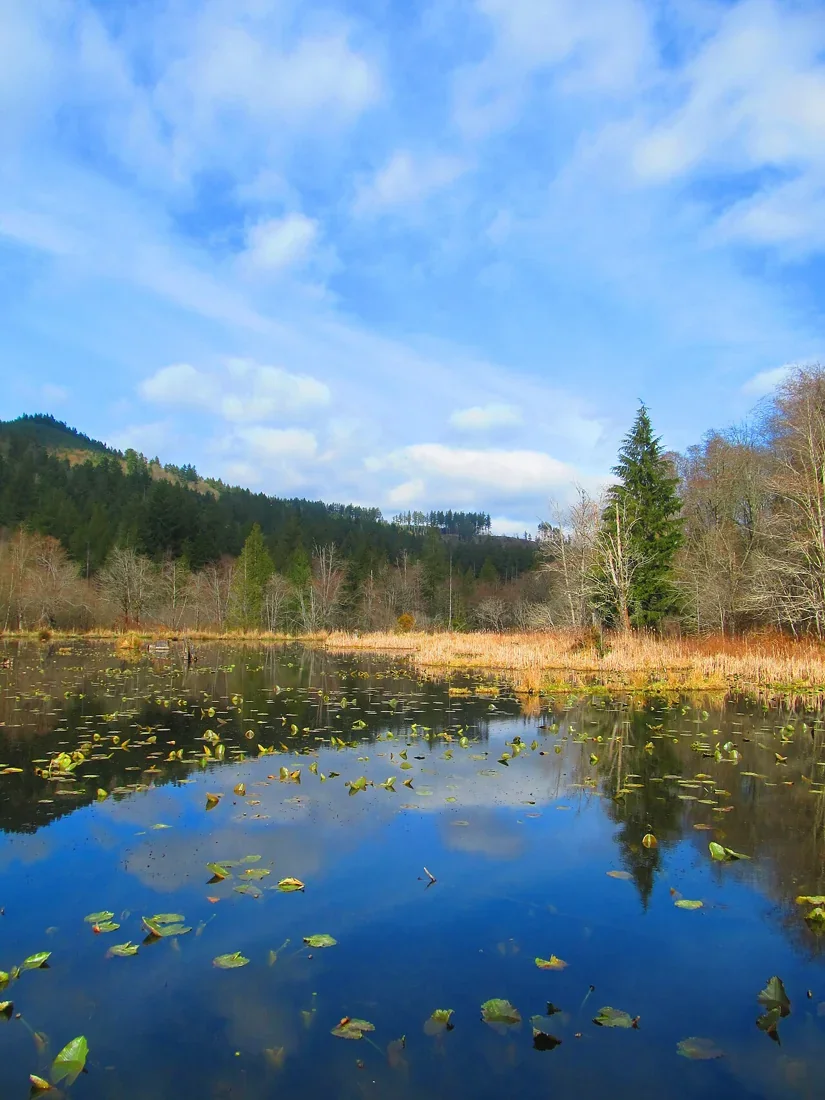
A good nature walk can be a short loop close to home or a longer trail, as long as the route matches the people taking it and the conditions they may meet. Start by checking access, weather and any area-specific guidance, then decide what you want the walk to offer: birdsong, a shoreline, shade or an easy path for conversation. Planning also helps protect the place you came to see. The National Park Service recommends preparing for hazards and special concerns before going outdoors. [1]
Choose for the least experienced walker
Estimate the route by its distance, terrain and time, not by distance alone. A short route with steep steps, loose footing or no shade may be harder than a longer level path. If children, older adults or anyone new to walking is joining, use the needs of the least experienced person to set the pace and turnaround point.
A loop offers a clear endpoint, while an out-and-back route lets the group stop when energy or weather changes. Check whether the route is open and whether it has facilities or accessible sections if those matter to your group. Avoid assuming that a map’s simple line means easy ground.
Check the conditions that can change the plan
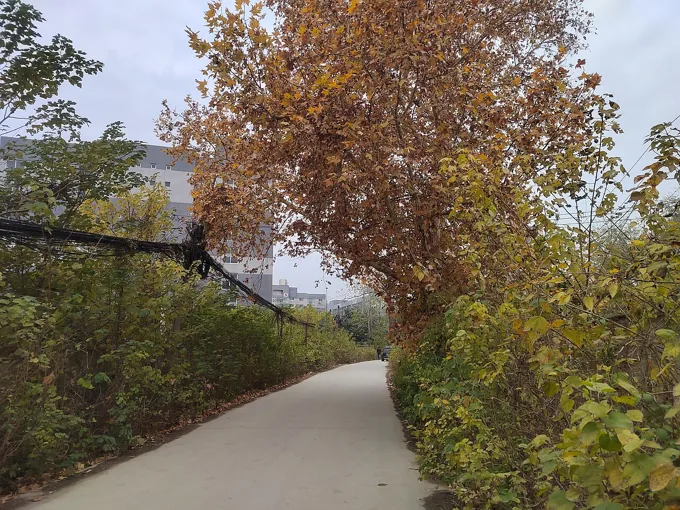
Look at the local forecast shortly before leaving, and consider heat, rain, wind and daylight. A shaded morning route may be more comfortable in summer than an exposed afternoon walk. If heat is a concern, the EPA notes that trees and vegetation have a cooling effect in urban environments. [2] That does not replace current local heat guidance or a route-specific check.
Find out whether the area has closures, seasonal restrictions, sensitive habitat notices or rules about dogs and groups. The National Park Service advises visitors to learn site regulations and special concerns and to consider avoiding high-use times. [1] A quieter departure time can make it easier to listen, observe and give other visitors room.
Give the walk a light structure
Pick one or two things to notice rather than turning the outing into a checklist. You might look for how shade changes along a path, listen for different bird calls, or compare plants in sunny and sheltered spots. A loose theme helps people pay attention without encouraging them to collect specimens or leave the trail.
For a family walk, build in a natural pause: a bench, viewpoint or wide spot where the group can stop without blocking the path. Explain before setting out that observations can be photographed or sketched, while plants, rocks and other natural objects stay where they are. The NPS advises leaving natural objects as found. [1]
Prepare for comfort and small setbacks
Bring water, suitable footwear, sun protection and a layer for changing conditions. Carry a map or know how to use the route information on your phone, and tell someone your plan if you are walking somewhere remote. Match supplies to duration and conditions; a short neighborhood walk and a remote trail do not call for the same preparation.
A hypothetical group planning a two-hour woodland loop might choose a shorter alternate route in advance. If the weather turns or someone tires, the group can still have a satisfying walk rather than pressing on to meet an arbitrary target. Leave extra time for stops and for returning before dark.
Keep the route gentle on the place
Stay on established paths where they exist, especially in busy areas, and pack out food wrappers and other waste. The NPS identifies durable surfaces such as maintained trails and advises keeping use concentrated on existing trails in popular areas. [1] If wildlife appears, watch from a distance instead of following or approaching it; sensitive periods include nesting and raising young. [1]
Before you go, choose a route and a realistic turnaround time, then check local notices and conditions. If the intended trail does not fit the group or the day, a shorter nearby walk is still a nature walk.
Follow the evidence
Primary sources used in this story. Practical examples are illustrative unless a source states otherwise.
- US National Park Service: Leave No Trace seven principles ↗
- US EPA: Using trees and vegetation to reduce heat islands ↗
Read our editorial standards. Have a correction? Identify the article and relevant source in your feedback to the site owner.