tree day
Guide
How to start tree spotting?
Learn trees by comparing a few observable features across repeated walks. Begin with leaves, bark, branching pattern and location, then confirm a likely identity with a regional guide instead of relying on one clue.
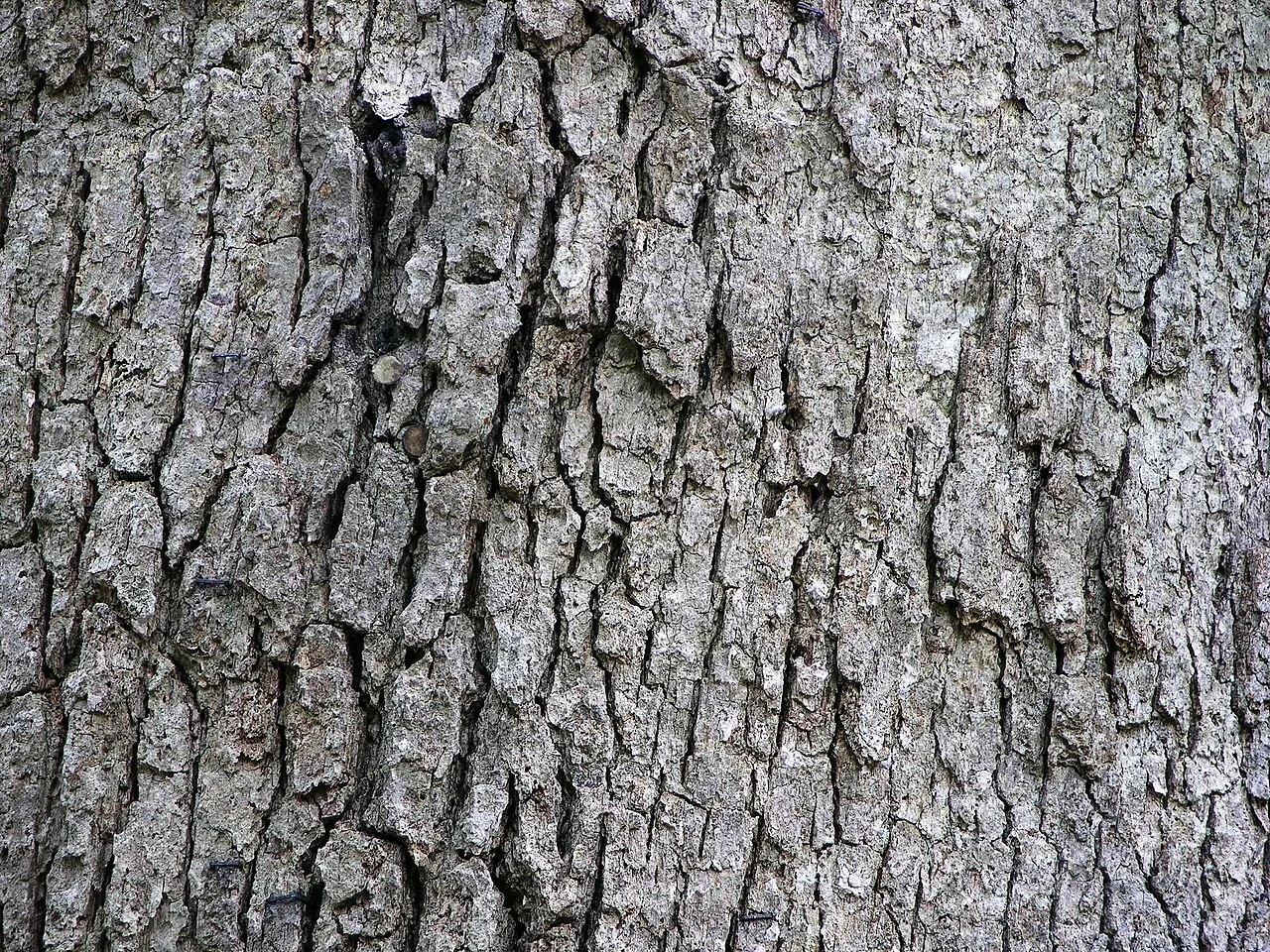
To start tree spotting, choose a short route and learn to describe trees before you try to name them. A leaf shape can narrow the possibilities, but bark, branching, fruit, season and setting help confirm an identification. Returning to the same trees through the year turns a casual walk into a practical lesson in how plants change.
Choose a route you can revisit
A block, schoolyard, neighborhood greenway or park loop is enough. Select three trees you can examine without stepping into planted beds or leaving a path. Notice whether each grows in a lawn, a wet low spot, a street planting or woodland edge. Setting is a clue, not proof: a tree may have been planted outside the conditions where it grows naturally.
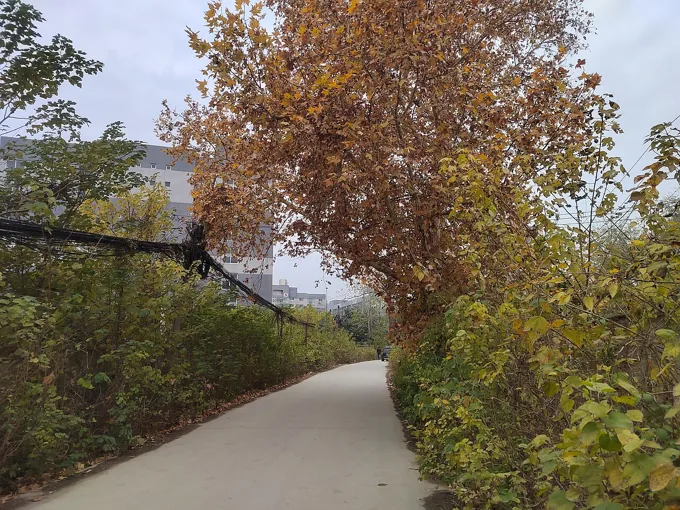
The seasonal calendar matters because a tree changes appearance. Earth's tilted axis causes the seasons by changing how directly sunlight reaches different parts of the planet during the year. [1] That broad cycle helps explain why familiar trees may look leafy at one visit and bare at another, though local weather and the tree's own biology shape what you actually observe.
Build an identification from several clues
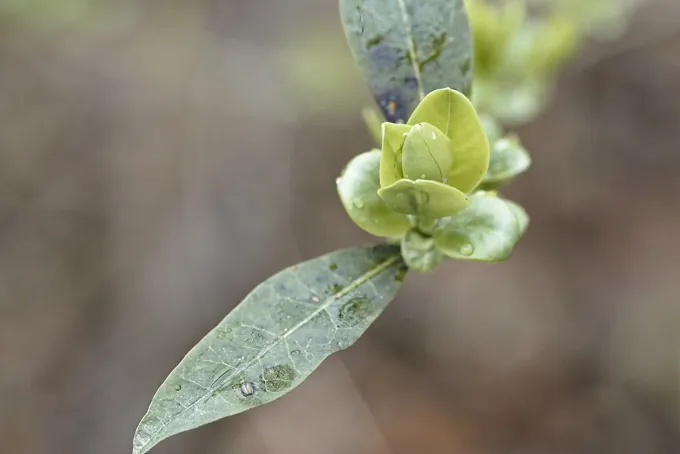
Start with the whole tree. Is it broadly spreading or narrow? Are branches opposite each other or staggered along the twig? Then look closely at a leaf: is it one blade or divided into leaflets, smooth-edged or toothed, simple or lobed? Check whether leaves grow singly or in pairs, and note their arrangement on a branch. [3]
Bark and reproductive features can add confirmation. Look for cones, seed pods, winged seeds, nuts, berries or flowers when present. Do not pluck them; photograph or sketch what is already visible. A useful note might say: “tall street tree, opposite branching, five-part leaves, smooth gray bark.” A regional field guide can then help you compare plausible candidates rather than making a name from a single feature.
Use a repeat visit as a comparison
Imagine you have three trees along a route and one has a distinctive papery seed. In spring, you note its buds and new leaves; in summer, you record the canopy shape; in autumn, you look for seed and leaf color; in winter, you study the branching pattern. This hypothetical record gives you evidence across seasons, even if your first identification remains tentative.
Photographs taken from a similar viewpoint can make changes easier to compare. Include a familiar object for scale when practical, but do not damage the tree or step into traffic to frame an image. Keep a “likely” label until several features agree. Similar species can share leaf shapes, and planted trees may not match the local landscape you expected.
Observe without altering the site
Stay on a path or durable surface when possible, and leave leaves, seeds and branches where they are. The National Park Service's Leave No Trace principles advise leaving natural objects in place and avoiding damage to plants. [2] For a tree identification, a clear photograph, sketch or written description is usually enough.
A common mistake is treating a phone app's first suggestion as certain. Apps can offer useful leads, but the result depends on image quality, season and which part of the tree is shown. Compare the suggestion with a field guide and with the full tree. If clues conflict, keep the record unresolved and return when leaves, flowers or fruit are easier to see.
Turn curiosity into a small field notebook
Give each tree a simple entry: date, location, canopy shape, leaf or twig features, bark, visible seeds or flowers, and your confidence in the name. Repeated entries can reveal when leaves emerge or drop on that particular tree without assuming every tree in the region follows the same timetable.
For your next walk, pick one tree and record four clues—branching, leaf arrangement, bark and setting—then check them against a regional guide. That is a manageable next step and a better foundation than collecting names without learning how you reached them.
Follow the evidence
Primary sources used in this story. Practical examples are illustrative unless a source states otherwise.
- NASA: What causes the seasons? ↗
- US National Park Service: Leave No Trace seven principles ↗
- Penn State Extension: From the woods—ten important hardwoods ↗
Read our editorial standards. Have a correction? Identify the article and relevant source in your feedback to the site owner.