tree day
Guide
How to make a seasonal nature calendar?
Build a nature calendar from observations made in one place, not from assumed universal dates. Record what you see, where you see it and how certain you are, then use the entries to plan future walks.
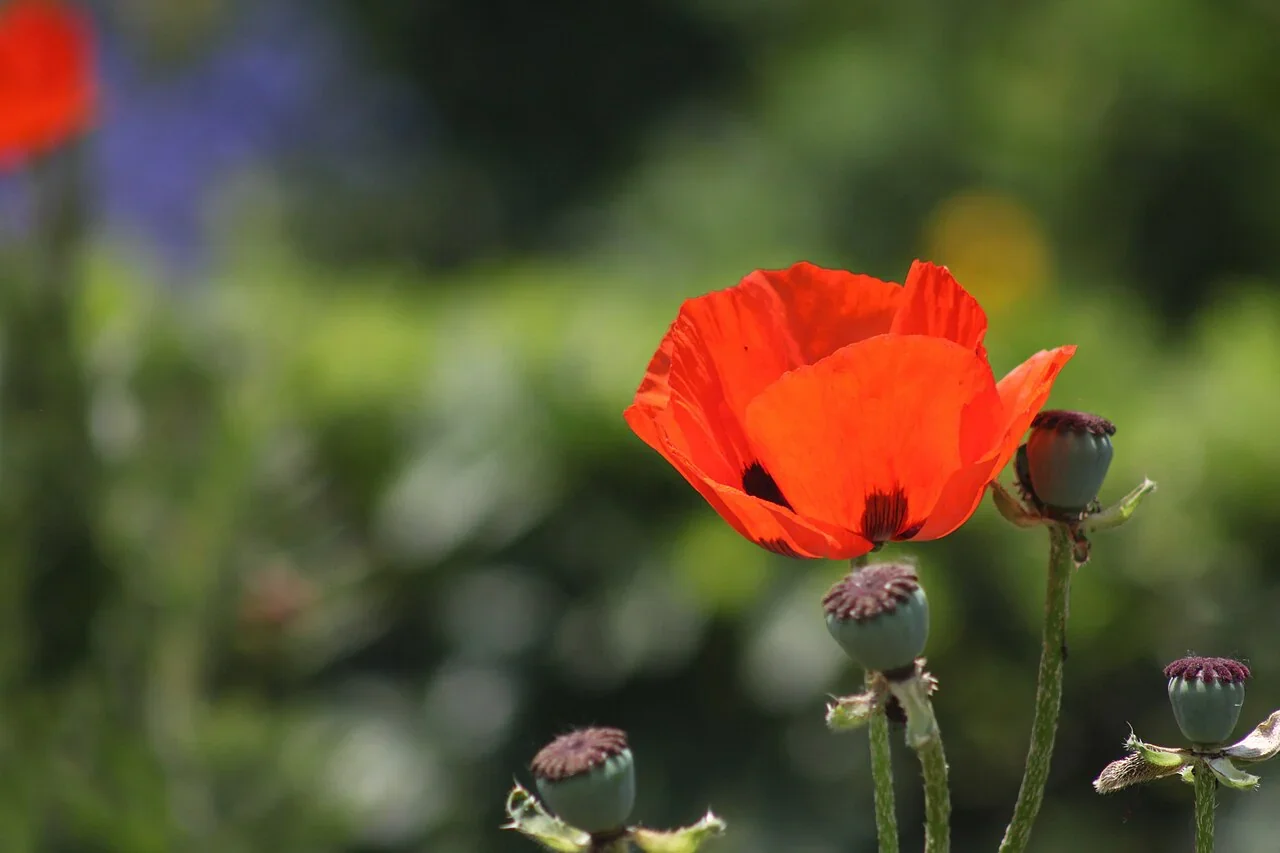
A useful seasonal nature calendar records what actually happens in a chosen place: the first buds you notice, a recurring bird call, a flowering patch or a stream that looks different after rain. Start with a notebook and one regular route. Dates give your observations context; they do not guarantee that the same event will happen everywhere or on schedule.
Pick a place and a manageable set of signs
Choose a yard, block, park loop or shoreline you can visit repeatedly. Keep the area small enough that you can observe it in an ordinary week. Select a handful of things to notice, such as leaf emergence on two trees, a flowering plant, insect activity, birdsong or the condition of a pond edge. Favor visible signs you can recognize without handling plants or wildlife.
Write down the location and the kind of place it is: sunny sidewalk, shaded woods, open lawn or wet edge. Those details help explain why a sign appears at one spot and not another. The calendar is a record of that place, not a claim about an entire city or region.
Let the observations set the dates
Use one row or entry per visit: date, weather as you observed it, what you noticed, and a confidence note. “Leaves beginning to open on the south-facing tree” is more useful than “spring began today.” If you do not see a sign, record that too, while remembering that a brief visit can miss an event.
The seasons themselves arise from Earth's axial tilt: different parts of the planet receive more direct sunlight at different times of year. [1] But local nature does not follow a single universal calendar. A sunny slope, shaded courtyard and exposed hill can show different timing, so your record should preserve place and observation rather than turn a date into a rule.
A concrete calendar can stay simple
Imagine a monthly walk around a small park. In February, you note buds that are still closed on one tree. In March, you see them swelling. In April, you record open leaves and a particular patch of flowers. Later, you notice when the canopy becomes dense and when leaves begin to fall. These hypothetical entries can help you anticipate what to look for next year without claiming the sequence will repeat exactly.
You can keep the calendar on paper, in a spreadsheet or in a photo folder with dates. Use the same route and, if possible, the same viewpoint. A wide photo captures the setting; a close photo records a feature. Avoid picking flowers or moving natural objects just to document them.
Keep uncertainty and change visible
A common mistake is copying a regional guide's average timing into your calendar as though it were a local observation. Keep reference information separate from what you personally recorded. If you are unsure whether a plant is flowering or merely budding, describe what you see and mark the identification as uncertain.
The calendar can also show years that differ. A warm spell may change what you notice on a particular visit, but one observation does not establish a long-term trend. Treat entries as a record, not a forecast. Several years of consistent observations can make comparisons more useful, while gaps and changes in the route should remain clear in the notes.
Use the record to plan a return
At the end of a season, review what you recorded and choose one sign to check again. Maybe you want to see whether the same tree opens leaves before the flowers appear nearby, or whether birds use the same patch at different times of year. The question can be modest; its value is that it directs your next walk.
Your next action is to choose one repeatable location, write down three seasonal signs to watch and make the first dated entry this week.
Follow the evidence
Primary sources used in this story. Practical examples are illustrative unless a source states otherwise.
Read our editorial standards. Have a correction? Identify the article and relevant source in your feedback to the site owner.