tree day
Guide
How to prepare a garden for dry weather?
Preparing a garden for dry weather starts with understanding its soil, plants and water system. Prioritise the plants that need care, reduce avoidable losses and adapt watering to local conditions rather than following a fixed schedule.
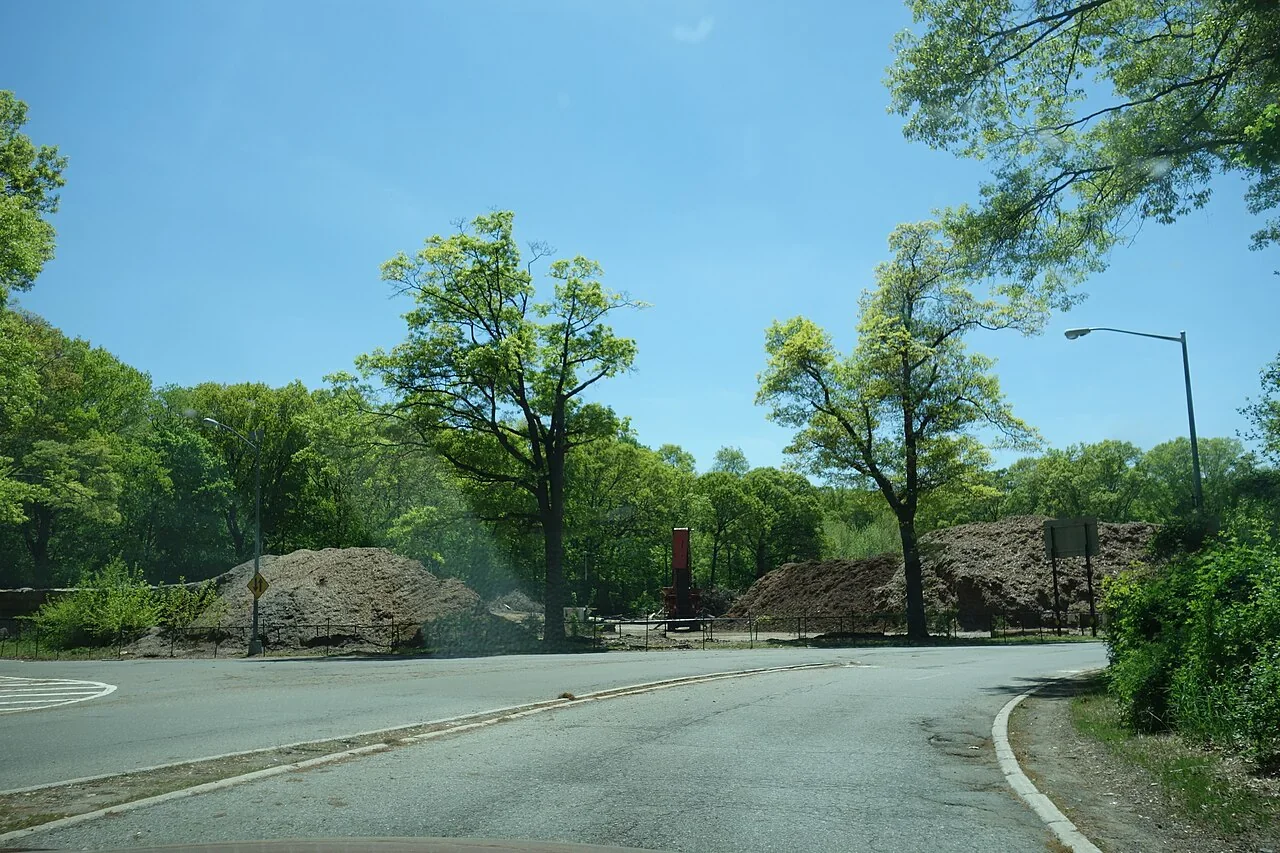
To prepare a garden for dry weather, first find out where water is going and which plants need it most. A dry spell does not affect every bed, tree or container in the same way: soil, climate, plant age and species all change how quickly roots run short of moisture. A few observations and small fixes can make the garden easier to manage without applying one watering rule everywhere.
Begin with the garden you have
Walk the garden and note which areas dry first, where water runs off, and which plants show stress. Check the soil beneath the surface instead of judging only by its appearance on top. A shallow container, a sandy bed and a shaded patch may need different attention even on the same day. Match observations to local growing advice and any water-use restrictions in your area.
If the garden includes a recently planted tree, give it separate attention: the Arbor Day Foundation says care in a tree’s first few years affects its shape, strength and lifespan. Its guidance also stresses choosing a tree suited to the site’s climate, soil, sun exposure and available space. [2]
Fix losses before adding more water
Look for an irrigation head spraying pavement, a leaking connection or a hose left running. WaterSense recommends checking irrigation systems and timing watering to avoid wasteful runoff; it also suggests professional help for installing, maintaining or auditing an in-ground system when needed. [1]
A realistic example: imagine a bed that looks dry while the sprinkler sends part of its spray onto the walkway. Repairing or adjusting the system may help water reach the planted area more effectively. It does not show that every plant needs more water; check soil and plant requirements before increasing the amount.
Protect soil moisture without smothering plants
Mulch can buffer soil against temperature extremes, help retain moisture, suppress weeds and reduce compaction, according to the Arbor Day Foundation. For trees, that source advises keeping mulch away from direct contact with the trunk. [2]
In a mixed garden, use mulch in a way that suits each bed and plant rather than assuming one depth or material is right everywhere. Keep an eye on drainage and plant crowns, and follow local horticultural guidance where conditions are unusual. Mulch can slow moisture loss; it cannot replace water when a plant genuinely needs it.
Prioritise rather than water by habit
When water is limited, distinguish plants that are established and suited to local conditions from those that are newly planted, in containers or showing stress. The precise need varies by climate, and the Arbor Day Foundation explicitly says exact tree-watering amounts vary by climate. WaterSense likewise emphasizes knowing when and how much to water rather than allowing wasteful runoff. [2] [1]
A common mistake is to respond to hot weather by running irrigation on a fixed schedule, even after rain or when the soil is already damp. Check local forecasts, soil moisture and plant guidance; then adjust. If your area has declared a drought or imposed limits, local water authorities’ rules take priority.
Make one useful change this week
Choose a manageable next action: inspect the irrigation system for leaks or overspray, check the soil in the bed that dries fastest, or look up local guidance for a recently planted tree. WaterSense also suggests designing landscapes with regional conditions in mind and offers regionally organised examples. [1]
Preparing for dry weather is less about guessing a future water requirement than making the garden observable and efficient. Once you know where moisture is lost and which plants are most vulnerable, you can make a targeted change and see whether it helps.
Follow the evidence
Primary sources used in this story. Practical examples are illustrative unless a source states otherwise.
Read our editorial standards. Have a correction? Identify the article and relevant source in your feedback to the site owner.