tree day
Guide
How to keep a rainfall diary?
A rainfall diary turns scattered impressions into a useful local record. Log dates, measured rain, location and notes consistently, then use the record alongside official forecasts and water observations without mistaking it for a climate assessment.
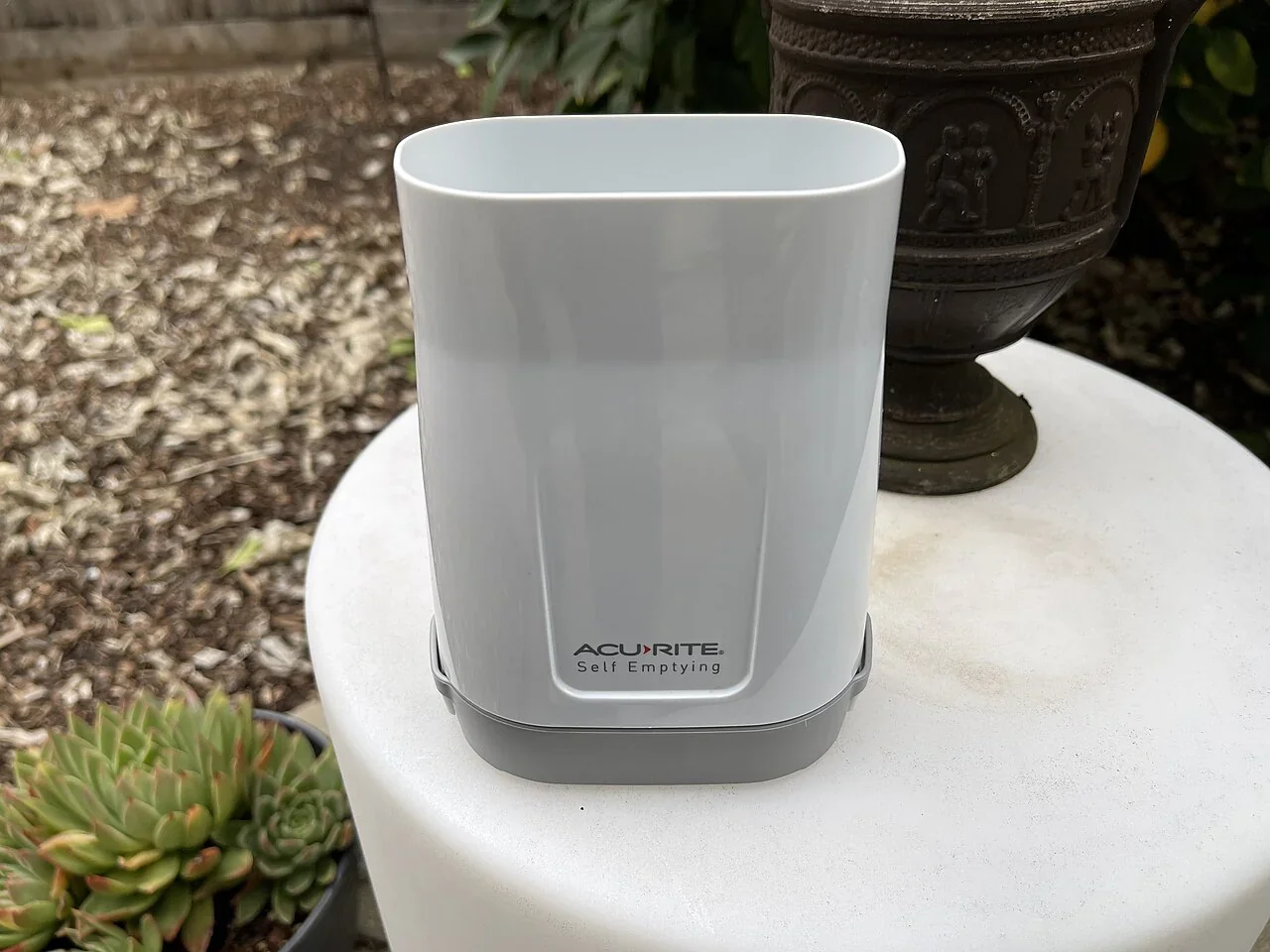
A rainfall diary is a dated record of rain at a particular place, kept consistently enough to compare one week or season with another. Its value comes less from elaborate equipment than from recording what you measured, where you measured it and when. A notebook or simple spreadsheet can help you notice local patterns, but it cannot replace a forecast or explain the whole water cycle on its own.
Choose a spot and keep it consistent
Put a rain gauge in a location where buildings, trees or other obstacles are unlikely to distort what it collects, and record that location. Use the same gauge and reading method each time. If you move it, note the change; otherwise, apparent differences may come from the new site rather than the weather.
The diary describes rainfall at that one spot, not every street or hillside nearby. Rainfall can vary over short distances, so a household record is useful as a local observation rather than an official area-wide measurement.
Record the basics before the details
For each entry, note the date and time you read the gauge, the rainfall amount and the unit. Add a brief note for any unusual circumstance, such as a missed reading, a gauge moved or snow that you could not measure with the same method. If there was no rain, record zero; a blank entry cannot tell you whether the day was dry or simply forgotten.
A simple example might read: “12 April, 8 a.m.; 6 mm; gauge unchanged; rain overnight.” The number is hypothetical, but the format shows why a timestamp and unit matter. Keep comments short enough that the record stays easy to maintain.
Separate observation from forecast
A diary tells you what your gauge recorded. A forecast describes what may happen, and forecasts can change as the event approaches. The National Weather Service Weather Watcher Guide says forecast confidence typically increases as the day approaches and recommends monitoring updated information for outdoor-event decisions. [2]
If rain is expected, write it in a separate forecast note with the date you checked and the source. Later, compare forecast and observation without treating a mismatch as a fault in your diary: local showers can be uneven, and a forecast is not a measurement. For safety decisions, continue to follow current official weather information.
Add context when you want to understand water
Rainfall is only one part of what happens to water. The USGS explains that water moves among the atmosphere, surface and ground through processes such as precipitation, runoff, infiltration and groundwater recharge. Human activity and climate affect where water is stored, how it moves and how clean it is. [1]
You can add a note about visible context—such as whether a nearby stream appeared high or whether soil remained dry—without treating that observation as a measurement of water quality, groundwater or flood risk. Keep these notes distinct from the gauge reading. For official warnings and water-quality guidance, consult the relevant local authorities.
Review a complete stretch, not isolated days
After a month or season, total the measurements only if the entries cover the period consistently; mark missing readings rather than silently treating them as zero. Compare like with like: the same location, season and units. A single wet day or dry week is not enough to establish a long-term trend.
Your next step is to place the diary somewhere you will actually update it—by the gauge, on a calendar or in a simple digital log—and choose a regular reading time. A modest, consistent record is more useful than a detailed one abandoned after a few entries.
Follow the evidence
Primary sources used in this story. Practical examples are illustrative unless a source states otherwise.
Read our editorial standards. Have a correction? Identify the article and relevant source in your feedback to the site owner.