tree day
Guide
How to photograph wildlife ethically?
Ethical wildlife photography lets the animal’s behavior set the distance and duration of the encounter. Stay on permitted routes, avoid baiting or pursuit, and be ready to put the camera away when your presence changes what the animal is doing.
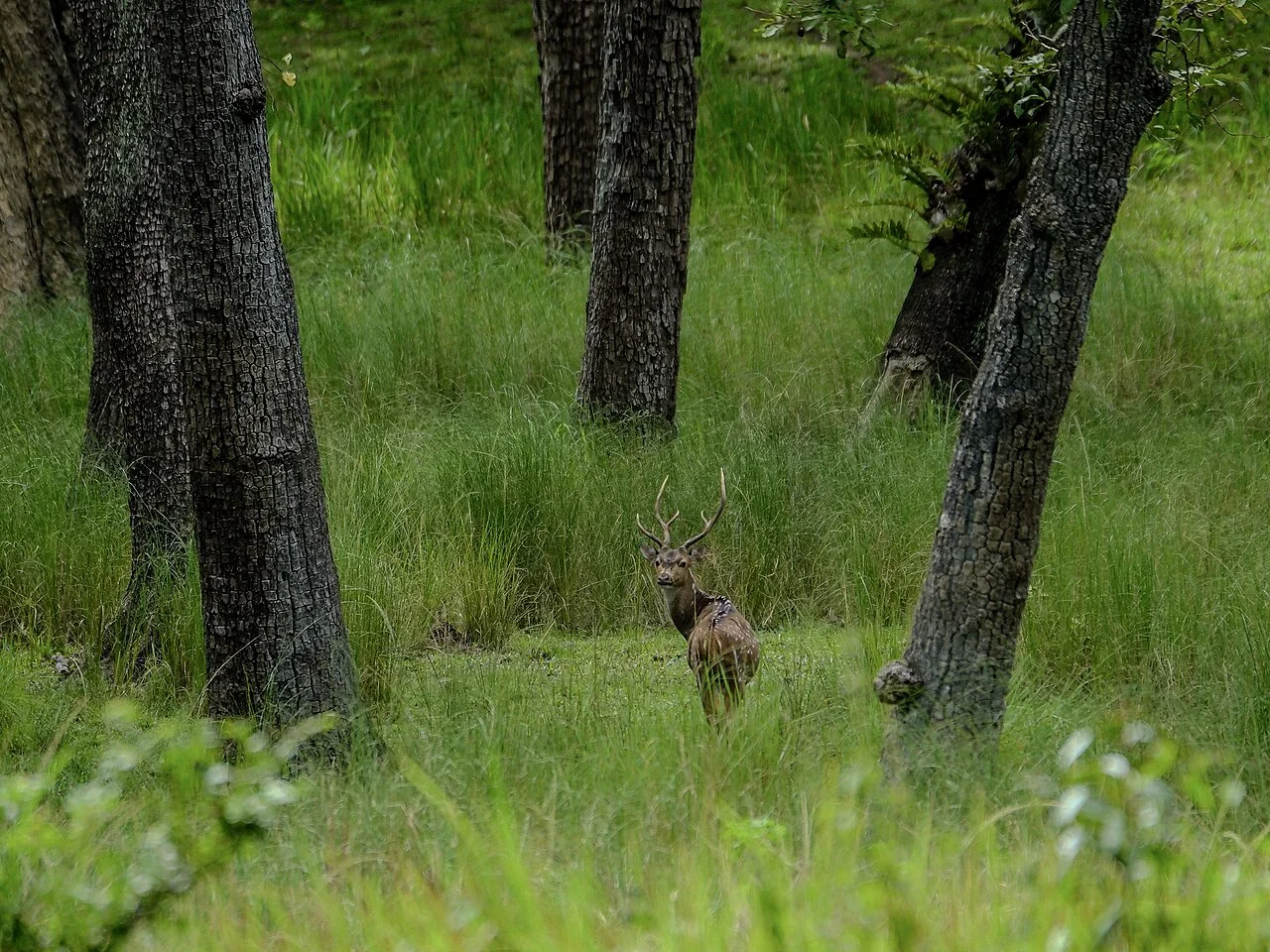
The most useful rule for wildlife photography is simple: if getting the picture requires an animal to change its behavior, stop and give it space. A longer lens, patience and a willingness to leave are better tools than moving closer. The National Park Service advises visitors to observe wildlife from a distance, avoid approaching or following animals, and give them particular space during nesting and other sensitive periods. [1]
Let distance shape the photograph
Choose a position where you can observe without advancing toward the animal. Use optical zoom or a longer lens if available, and accept a smaller subject in the frame rather than crossing a boundary or entering vegetation. Posted viewing distances and closures take priority, because appropriate space depends on the species and site.
Watch the animal as much as the camera screen. If it stops feeding, changes direction, repeatedly looks toward you or moves away, increase distance or leave. Such behavior does not tell you everything about the animal’s condition, but it is enough reason not to press closer.
Do not lure, chase or corner
Avoid bait, calls, flash used to attract attention, or any tactic that draws wildlife toward a person. Never block an animal’s route or follow it to maintain a shot. The NPS warns against following or approaching wildlife and against feeding it, which can alter natural behavior and expose animals to danger. [1]
A photograph made while an animal is moving toward food or responding to a played call does not show ordinary behavior. It can also encourage repeated disturbance if other visitors copy the setup. Make the image from the animal’s existing routine, or let the opportunity pass.
Treat nesting and young animals with extra care
Nesting, mating and raising young are sensitive times. The NPS specifically advises avoiding wildlife during these periods. [1] Do not search for nests, linger near a suspected nesting site, or approach an adult carrying food. Follow local seasonal closures and use designated viewpoints when they are available.
If you find yourself near a bird or mammal with young, calmly increase distance along the route you came from. Do not wait for a parent to return so you can photograph the reunion. Leaving gives the animals room and avoids turning a brief encounter into a prolonged one.
Make the setting part of the image
A wildlife photograph need not fill the frame with an animal. Include habitat, light or distance to show where the animal lives and preserve a truthful sense of scale. Staying on a trail also protects nearby plants; the NPS advises keeping to established routes in popular areas and leaving natural objects as found. [1]
For example, a hypothetical photographer on a marsh boardwalk could make a wide image of a bird feeding from the permitted path. If the bird continues feeding, the photographer can take a few frames and move on; if it becomes watchful or retreats, the camera goes down and the visit ends at that spot.
Share location details thoughtfully
A precise location can bring more visitors to a sensitive site. Before posting, consider whether the place is robust enough for added attention and whether location tags could direct people toward a nest, den or restricted area. Respect site rules and avoid disclosing sensitive wildlife locations when that could increase pressure.
Keep groups small and quiet, and make room for other visitors. The NPS encourages consideration of other people and recommends small groups where possible. [1] Before taking a shot, decide that the animal’s space matters more than the frame; then use distance, patience and restraint to make the picture.
Follow the evidence
Primary sources used in this story. Practical examples are illustrative unless a source states otherwise.
Read our editorial standards. Have a correction? Identify the article and relevant source in your feedback to the site owner.