tree day
Guide
Summer garden water saving?
Save water in a summer garden by helping soil hold moisture, watering where roots can use it, and matching care to each plant. Learn how to prioritize beds through dry spells without relying on a one-size-fits-all schedule.
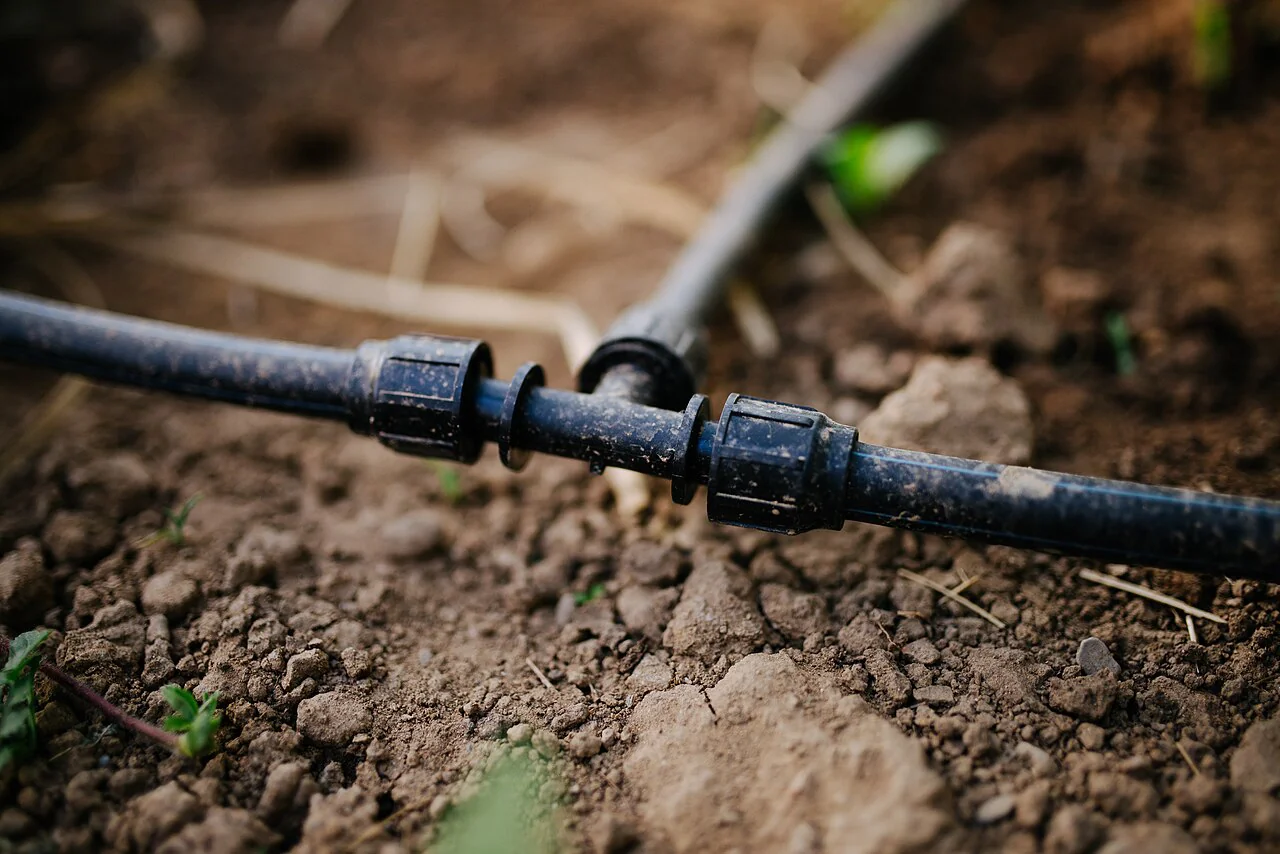
A garden that wilts by midafternoon does not always need another dose of water. Some plants droop temporarily in heat, while dry soil around their roots signals a different problem. Summer water saving starts with checking the soil and identifying which plants need help, then reducing evaporation so each watering lasts. Trees and other vegetation can also cool urban surroundings, as the EPA explains, but a water-wise garden still has to fit its local climate and species. [1]
Check below the surface first
Press a finger into the soil near a plant rather than judging by the surface alone. A crust can look dry while the root zone remains damp; loose, dusty soil may be dry deeper down. Pots need a separate check because their limited soil volume can heat and dry faster than a garden bed.
If a plant is drooping in afternoon sun but its soil is moist, wait for cooler hours and observe whether it recovers. If the root zone is dry, water it slowly enough to soak in instead of running off. This simple check prevents watering on autopilot and helps distinguish thirst from heat stress. [2]
Put water where roots can use it
Watering close to the soil reduces the amount lost from leaves and exposed ground. A slow stream at the base of a plant gives water time to enter the root zone; a brief spray over a broad area may evaporate or run away before it reaches roots. For a bed, move the hose or watering can between plants and check whether the soil is damp below the surface.
The right amount depends on soil texture, slope, plant size and recent weather. Sandy soil tends to drain more quickly than clay, while compacted or sloped ground may absorb water slowly. Adjust after checking the result rather than following a fixed calendar.
Keep the soil from heating and drying
A layer of organic mulch can shade soil and slow evaporation. Keep it clear of plant stems and trunks, and use a depth suited to the material and site; piling mulch against bark can hold moisture where it is not wanted. Before adding more, check whether existing mulch is already covering the soil.
Group plants with similar water needs where possible. A thirsty vegetable bed and drought-adapted herbs may be easier to care for when they are not sharing the same watering routine. Where space is limited, prioritize plants by need: new transplants and edible crops may deserve attention before established plants adapted to dry conditions.
Use shade strategically, with local conditions in mind
Temporary shade during a heat spell can protect young or sensitive plants from intense sun. A light cloth held above a plant can reduce direct exposure while allowing airflow. Remove or adjust it when conditions ease; permanent shade may weaken plants that need full sun to flower or produce fruit.
Trees and vegetation can reduce heat in urban environments, according to the EPA. [1] That broader cooling benefit is not a reason to plant any tree in any spot: choose species suited to local conditions and consider mature size, available water and nearby structures. In an existing garden, make use of established shade where it suits the plants you are growing.
Avoid the common watering trap
A little water every day can keep only the surface damp, encouraging roots to remain near the top where soil dries quickly. But the opposite extreme—soaking a poorly drained bed—can leave roots short of air. Let the soil and plant response guide the next watering, and make sure water is soaking in rather than pooling or flowing away.
A hypothetical gardener with a sunny bed and a shaded bed might find the sunny one dries sooner even though both received the same recent rain. Checking each bed separately gives a more useful answer than treating the whole garden alike. Local restrictions and drought guidance may also shape what is practical.
Follow the evidence
Primary sources used in this story. Practical examples are illustrative unless a source states otherwise.
Read our editorial standards. Have a correction? Identify the article and relevant source in your feedback to the site owner.