tree day
Guide
How to use a local weather forecast?
Use a local forecast to make a decision for a specific place and time, then check it again if the plan is sensitive to changing conditions. Distinguish a short-range forecast from a broad seasonal outlook.
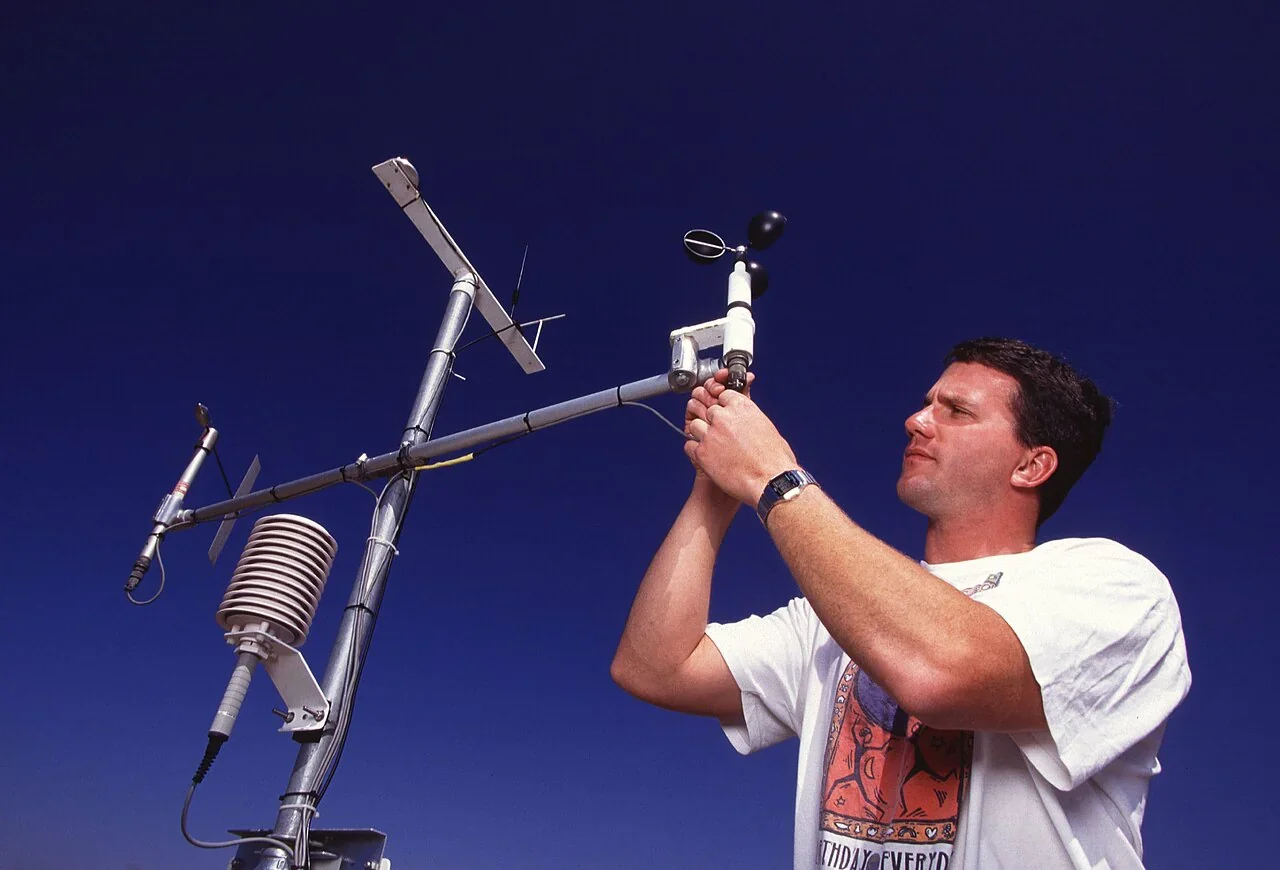
A local weather forecast is most useful when you have a decision to make: whether to carry a rain layer, shift a walk to another hour, or move an event indoors. Check the location and time period first, then read the expected conditions and any official alerts. A forecast is a guide to likely conditions, not a promise that every part of town will experience the same weather.
Match the forecast to your plan
Start with the exact place and hours that matter. A forecast for a city center may not describe a nearby hillside or coast, and an all-day summary may hide a change between morning and afternoon. If your plan spans several places, check each one rather than assuming conditions remain constant along the route. [3]
Ask what decision the information can change. For a short neighborhood walk, a chance of rain may mean bringing a shell. For a long exposed trip, timing, temperature, wind or an alert may lead you to alter the route or postpone. The National Park Service recommends planning ahead for weather, hazards and emergencies when visiting outdoor areas. [1]
Separate forecasts, alerts and outlooks
A forecast describes expected weather over a specified period. An official warning or advisory communicates a hazard and may call for action; read the issuing local authority's instructions. A seasonal outlook addresses broad tendencies over a longer period. It cannot tell you whether a particular trail will be wet or whether a storm will arrive during your outing.
Keep these products in their proper roles. A seasonal outlook can help with broad planning, but it should not replace a local forecast for a date or official alerts for a hazard. For heat, smoke, water quality or emergencies, use current official local guidance rather than inferring safety from an ordinary weather summary.
Turn information into a practical choice
Imagine you plan to meet a friend at a park at noon. The local forecast suggests the day will be hot, and the park route has limited shade. You could move the meeting earlier, choose a shorter shaded route, or meet indoors. This hypothetical example uses the forecast to compare options; it does not treat a single number as a complete assessment of conditions.
If the forecast includes a probability of precipitation, remember that it describes likelihood for the forecast area and period according to the service that issued it. It does not mean rain will fall continuously or uniformly across every block. Use the forecast's own time and location details, and check for updates if rain would change your plans.
Recheck when the consequences matter
One common mistake is checking a forecast days ahead and treating it as settled. Forecasts can change as the event approaches. For a flexible picnic, a later check may be enough; for a trip where changing conditions would affect safety, monitor the official forecast and alerts closer to departure and during the trip where service is available.
Another mistake is using a broad outlook to answer a narrow question. NASA explains that Earth's tilt creates the seasons by changing the directness of sunlight across the year. [2] That explains a seasonal cycle, but it does not provide a local weather forecast. Use the product designed for the decision at hand.
A quick check before departure
Confirm the forecast's place, time window and update, then read any alerts from official local sources. Decide what you will change if conditions shift: carry another layer, shorten the route, move the activity or cancel. Keep the plan flexible when the weather matters.
For your next outing, check the local forecast for the hours you will be outside and identify one practical alternative before you go.
Follow the evidence
Primary sources used in this story. Practical examples are illustrative unless a source states otherwise.
- US National Park Service: Leave No Trace seven principles ↗
- NASA: What causes the seasons? ↗
- National Weather Service: Weather Watcher Guide ↗
Read our editorial standards. Have a correction? Identify the article and relevant source in your feedback to the site owner.