tree day
Guide
Glass vs plastic packaging?
Neither glass nor plastic is always the better package. Compare reuse, local collection, food protection and transport for the specific item you buy, then use the package that fits your routine and recycling options.
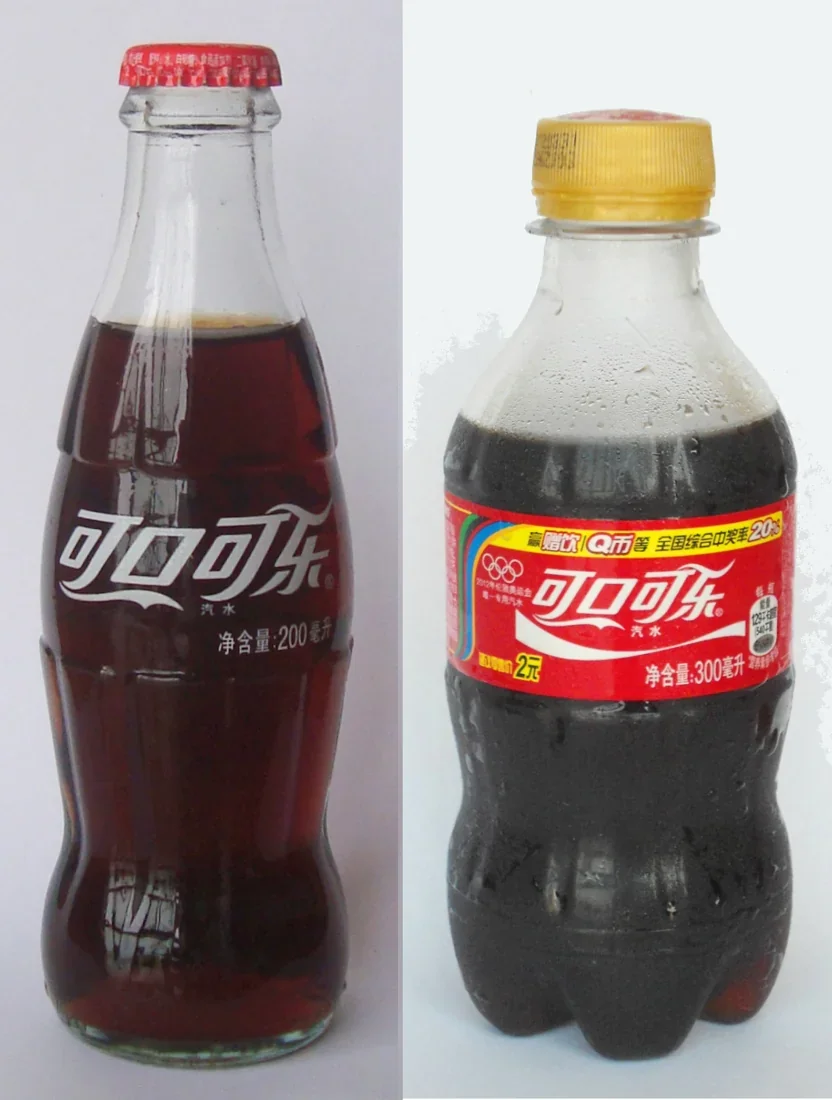
Glass versus plastic is not a one-word environmental verdict: the better choice depends on what the package holds, how often it can be reused and what your local system accepts. For a household choosing between two similar products, start with the package’s job and end-of-life route. Glass food and beverage containers can be recycled repeatedly, while plastic recycling depends more on material and local collection rules.
Start with the package’s real job
Packaging protects and contains a product through storage, transport and use. A useful comparison asks whether each option keeps the product usable, whether you can reuse it safely and conveniently, and whether a local program collects it after use. Looking only at the recycling symbol misses impacts from sourcing, manufacturing, packaging, transportation, use and disposal. EPA’s purchasing guidance recommends considering impacts across a product’s life cycle and watching for trade-offs between environmental concerns. [2]
The practical comparison should involve like with like: the same amount of a similar product, used in a similar way. A lightweight single-use package and a heavy returnable jar do not serve the same routine if one is reused many times and the other is discarded immediately. That is a household reasoning exercise, not a universal ranking of materials.
What recycling guidance can tell you
EPA says glass, especially food and beverage containers, can be recycled over and over again. It also notes that many curbside programs accept glass colors and types together, but local programs may differ. Metal caps should be separated from glass bottles according to its guidance, and broken glass should not go in the recycling bin because it can injure workers or damage equipment. [1]
Plastic is not one uniform category either. EPA advises checking local acceptance for plastic containers and cups; the resin number identifies the plastic type but does not guarantee local collection. Plastic bags and film have a different route from household curbside bins, and utensils are not recyclable under the EPA guidance. These differences can matter more than the broad label “plastic.” [1]
A concrete choice at the shop
Suppose two jars contain the same pantry staple. One household already reuses the glass jar for storage and has confirmed that its local program accepts glass. Another household has no use for empty jars, and the added container is awkward to store. For the first household, reuse gives the jar another function before recycling; for the second, a locally accepted package that fits the pantry may be more practical. These examples assume the product and purchase amount are otherwise similar.
Now consider a plastic bottle. If the local program accepts that bottle type, EPA says caps and labels can typically stay on. If it is a plastic film pouch, it may require a store drop-off instead. The person choosing packaging should account for the actual item and available route rather than assuming all plastic packages share one fate. [1]
The hidden trade-off is the whole trip
EPA’s sustainable-purchasing guidance says impacts can arise at multiple stages, from raw materials and manufacturing to transportation and disposal. It also warns against burden shifting: improving one environmental concern can create another elsewhere. That means a package’s weight, manufacturing, delivery, reuse pattern and local recovery route can all be relevant, even when the final bin is the most visible part. [2]
For example, a household might be tempted to drive a long distance solely to return a few containers. Whether that makes sense depends on the actual trip and options, so do not assume a special trip is automatically beneficial. If a deposit or return system exists, follow its instructions; otherwise, use the local recycling route and consider consolidating errands.
Choose a repeatable rule
A practical household rule is to prefer packaging that serves the product well, can be reused in your routine, and has a confirmed local recovery route. If you cannot verify collection, don’t treat a recycling mark as proof. For packaging claims that promise environmental benefits, EPA recommends looking for credible standards that cover relevant impacts and are verified, rather than relying on broad, unsupported marketing language. [2]
The common mistake is to declare one material the winner in every situation. Start instead with one product you buy often: compare whether the package is refillable or reusable, confirm local acceptance for the exact form, and choose the option that works with your storage and shopping habits.
Follow the evidence
Primary sources used in this story. Practical examples are illustrative unless a source states otherwise.
- US EPA: How do I recycle common recyclables? ↗
- US EPA: Institutional purchasers of greener products and services ↗
Read our editorial standards. Have a correction? Identify the article and relevant source in your feedback to the site owner.