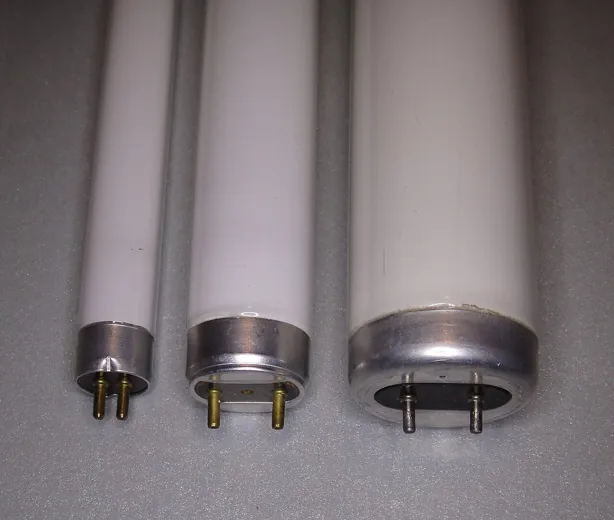
Check whether a bulb is fluorescent, find a collection route that accepts its exact type, and keep it intact while you arrange drop-off. Recycling and disposal rules vary by location.
Identify the paint, keep it in its labelled container, and check your local waste authority’s accepted routes before moving or discarding it. Donation, paint take-back and household hazardous-waste programs vary by place and product.
A 12–13 November UNEP forum connected chemical safety with circularity in fashion and construction. Its targets describe an initiative’s ambitions, not results already measured.
Keep used motor oil clean, sealed and separate, then take it to a collection program that accepts it. A short check before drop-off can prevent a spill and keep contaminants out of a recycling batch.
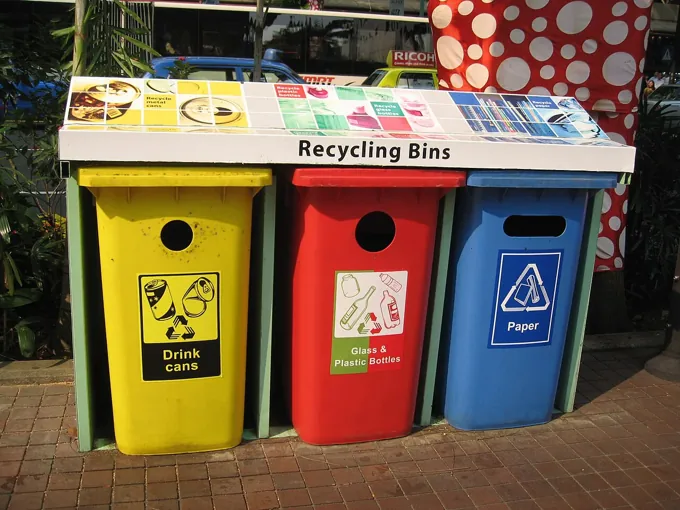
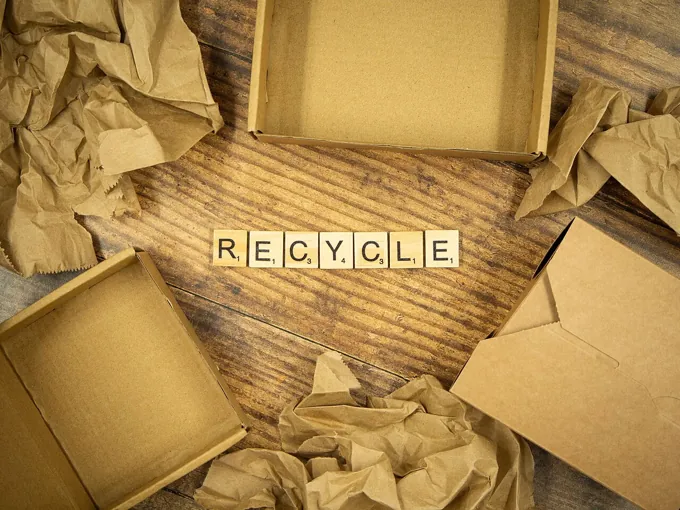
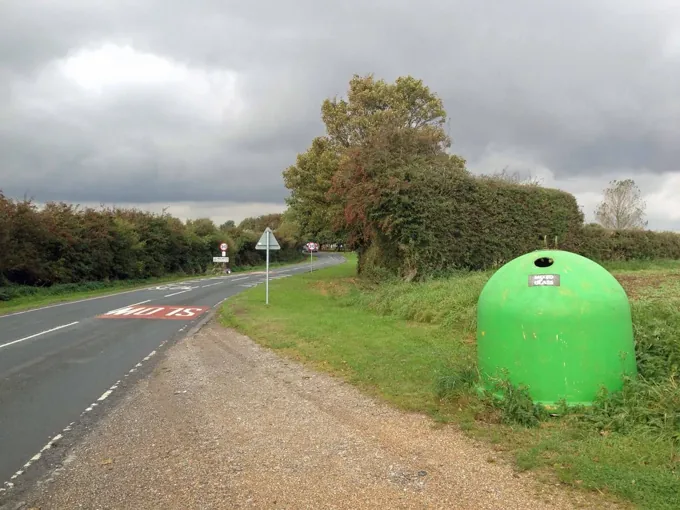
Paper, cardboard, metal cans, glass containers, and some plastic containers are commonly recyclable, but acceptance depends on the local program. Batteries, electronics, food scraps, and hazardous products need different routes.
Battery disposal depends on chemistry and size, and many types should stay out of both household trash and recycling carts. Identify the battery, protect it from damage and use a dedicated collection point or local hazardous-waste guidance.
A circular economy aims to keep products and materials useful for longer through prevention, repair, reuse, and recovery. Here is what that means in ordinary household choices and where the idea has limits.
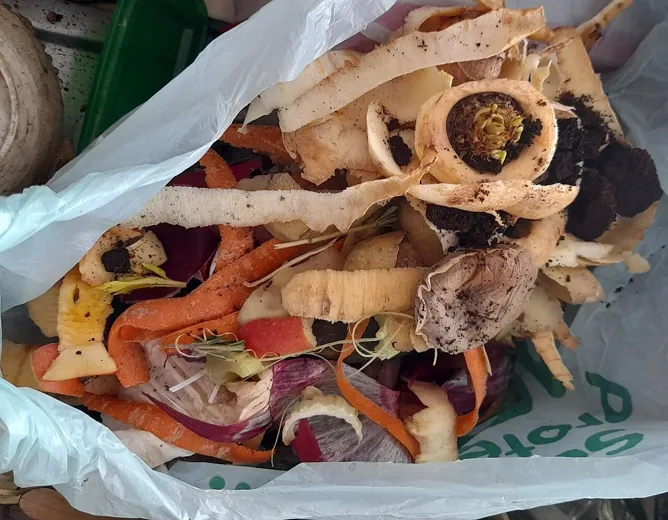
Reduce food waste by buying for meals you expect to eat, keeping track of what needs using, and making leftovers easy to see and reuse. Small changes work best when they address the reason a particular food gets discarded.
Pizza boxes are commonly recyclable when food scraps are removed, but local programs can differ. Learn how to handle grease, leftover food and a box that is too messy to sort.
Plastic bags and film can be recyclable, but they generally do not belong in household recycling bins. Find a suitable drop-off route and prepare bags according to the collection point’s instructions.
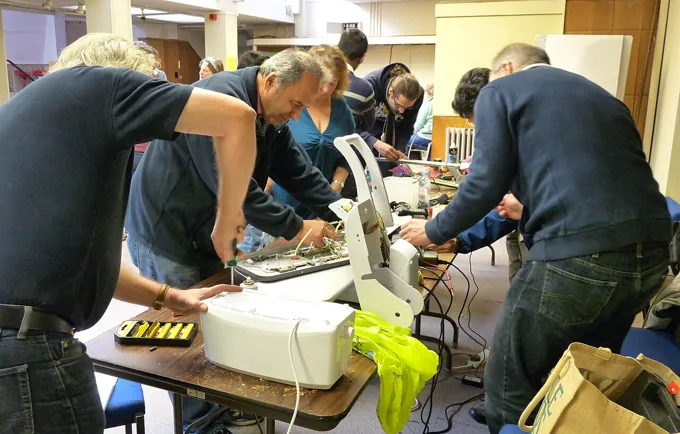
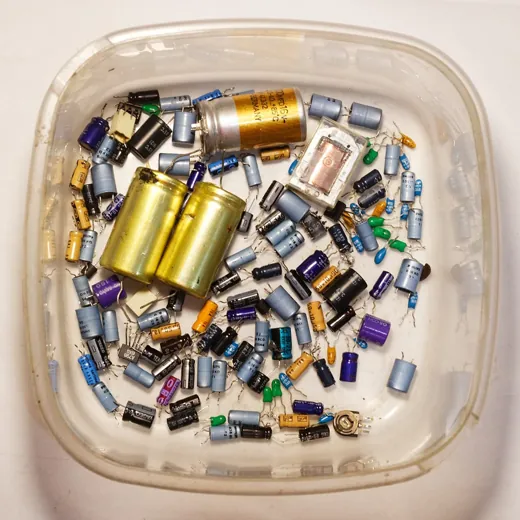
Electronics generally need a designated collection site, retailer or manufacturer program rather than curbside recycling. Back up and remove personal information, check what the site accepts and consider donation when a device still works.
Biodegradable describes a material’s capacity to break down under some conditions; compostable refers to breakdown within a composting process. Neither word alone tells you what your local waste system accepts.
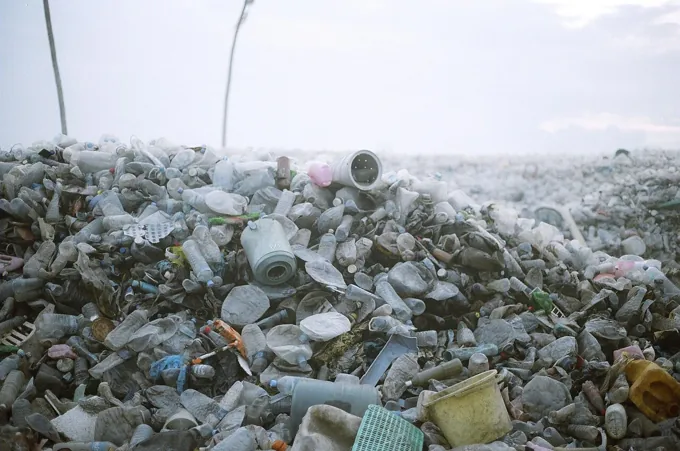
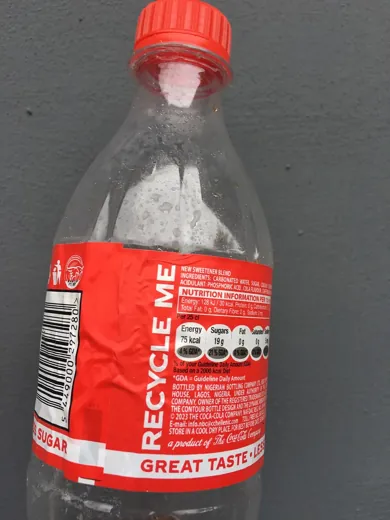
Reduce plastic waste by preventing repeat purchases and packaging where practical, then reuse durable items and sort remaining plastics according to local rules. A few targeted changes are more useful than guessing at the recycling bin.
Recycling processes recovered material into feedstock; upcycling turns an existing item into a different useful object. Learn when each route makes sense and how to avoid keeping unusable clutter.
Wishcycling is putting an item in the recycling bin because you hope it belongs there. Learn why that guess can cause trouble and how to check uncertain items without abandoning recycling.
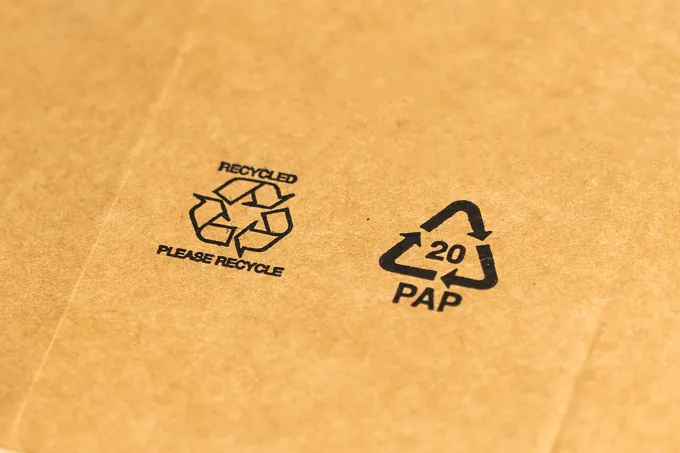
The chasing-arrows triangle on plastic identifies the resin type, not a guarantee that a local program accepts the item. Read labels as clues, then check the provider’s rules for that specific packaging.
Look for environmental claims that are specific, relevant to the product and supported by credible evidence; be cautious of broad words, missing context and labels with unclear standards. Compare the claim with the product’s main impacts and ask what is left out.
 tree day