tree day
Guide
How to spot greenwashing?
Look for environmental claims that are specific, relevant to the product and supported by credible evidence; be cautious of broad words, missing context and labels with unclear standards. Compare the claim with the product’s main impacts and ask what is left out.
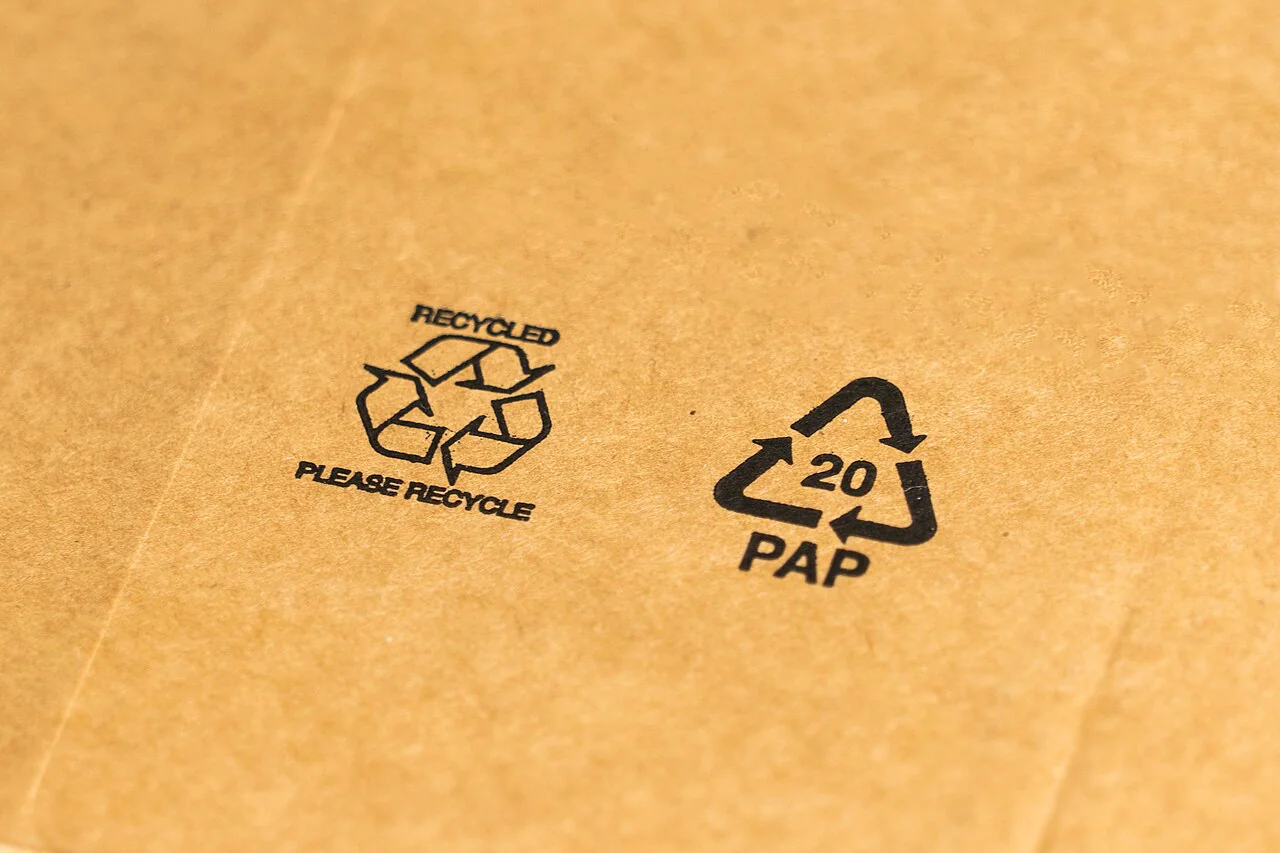
A leaf symbol and the word “green” do not tell you what changed. To assess an environmental claim, identify its exact subject, the impact it addresses and the evidence behind it. A claim may describe one useful improvement while leaving out a larger burden elsewhere, so the question is not simply whether a product has a benefit but whether the message represents it fairly.
Translate the slogan into a testable claim
Ask what the claim means in concrete terms. “Made with recycled material” should identify which part of the product and, ideally, how much. “Compostable” should tell you under what conditions and through which collection route. “Carbon neutral” needs an explained boundary and method. If a claim cannot be restated in a way that could be checked, it is too vague to guide a purchase.
The EPA’s guidance for institutional purchasers says environmental marketing claims can be inaccurate or misleading and recommends looking for credible ecolabels and standards that address relevant product impacts. [1] That advice is useful for household decisions too: evidence should match the claim, not merely sit beside it as decorative reassurance.
Check whether the label does real work
A credible label identifies a standard, who manages it and what the certification covers. Check whether the standard is relevant to the product’s main environmental “hotspots,” such as energy use for an appliance or chemical exposure for a cleaning product. The EPA recommends considering labels that cover key hotspots and, where possible, the product life cycle. [1] A label that focuses on a minor attribute may be accurate yet still distract from the bigger impact.
Look for a public explanation of criteria, verification and scope. An attractive logo without accessible rules gives you little basis to compare products. Be cautious of a company-created badge that resembles independent certification but does not explain who checked the claim.
Notice what the message leaves out
Environmental impacts can occur during raw material sourcing, manufacture, packaging, transport, use and disposal. The EPA describes these stages as part of a product’s life cycle and warns that choices can shift burdens from one problem to another. [1] For example, replacing a fossil-derived input with a plant-based one may reduce one pressure while raising questions about land or water use; the claim should not imply that one attribute settles the whole comparison.
You do not need a full life-cycle analysis to make a sensible choice. Ask whether the claim relates to an impact that matters for this product, whether another important stage is ignored and whether a less resource-intensive option is simply to keep, repair or reuse what you already have.
Use a quick shelf check
Imagine two household cleaners. One says “eco-friendly” with no explanation. The other identifies a specific ingredient restriction and points to a standard with published criteria. The second gives you more to evaluate, but you should still check whether that standard addresses the concern you care about and whether the product performs its basic job. This is a hypothetical comparison, not an endorsement of a particular label or product.
Also distinguish an aspiration from a measured result. “Working toward less packaging” is not the same as evidence that the current package uses less. A future target may be worthwhile, but it does not describe what is in your hand today. Look for a time period, baseline and clear scope when a company reports progress.
Decide what evidence is enough
Use three questions: What exactly is claimed? Who verified it, and against what standard? What important impact or product stage is outside the claim? If answers are missing, treat the environmental wording as unproven rather than as a reason to pay more or choose the product.
The EPA notes that the Federal Trade Commission’s Green Guides are intended to reduce consumer confusion and prevent false or misleading environmental marketing claims. [1] For a consumer, the practical next step is to compare the claim with the product’s stated criteria and choose a durable, repairable or lower-use option when it better meets the actual need.
Follow the evidence
Primary sources used in this story. Practical examples are illustrative unless a source states otherwise.
Read our editorial standards. Have a correction? Identify the article and relevant source in your feedback to the site owner.