tree day
Guide
How to recycle used motor oil?
Keep used motor oil clean, sealed and separate, then take it to a collection program that accepts it. A short check before drop-off can prevent a spill and keep contaminants out of a recycling batch.
If you change motor oil at home, plan the return trip before you drain the engine. Use a clean, leak-resistant container with a secure lid, keep the oil separate from other fluids, and confirm where your local program accepts it. Used oil is collected for recycling and re-refining, but acceptance rules and limits differ by location. A closed container is only a safe way to carry it; it is not a reason to put it in household trash or pour it onto the ground. [1] [3]
Set up before draining the oil
Find a suitable container and stable work area before opening the drain plug. EPA recommends a clean plastic container with a tight lid, not one that held chemicals, food or drinks. A purpose-made oil container is easier to identify than an improvised bottle. Set it where it cannot tip, and use a funnel or drain pan sized for the job. [1]
Keep the container closed between transfers. Wipe the outside if oil gets on it, and store it upright, away from children, pets, heat and floor drains. These are practical spill-prevention steps, not a substitute for the receiving program’s packaging directions. If the container is cracked, leaks, or has an unknown previous use, do not use it for the oil you plan to recycle. [1]
Keep the oil stream clean
Do not combine used motor oil with antifreeze, gasoline, brake fluid, solvents, paint, pesticides or water. EPA guidance says other substances should not go into the same used-oil container; CalRecycle likewise tells residents not to mix materials and notes that collection centers may reject oil contaminated with water or other fluids. [2] [3]
Keep each fluid in its own clearly separate, closed container and ask your local household hazardous-waste program where it belongs. Do not try to fix contaminated oil by straining or pouring off a layer. A collection site can tell you whether it can accept it and what route applies. If you are unsure what entered the container, describe that uncertainty before transporting it.
Find the right local handoff
Start with your city or county waste agency, household hazardous-waste page, or an official state collection locator. Search for “used motor oil” and read the details for the specific site: accepted materials, container rules, hours, quantity limits and whether an appointment is needed. A shop that changes oil may accept your used oil, but do not assume every garage or retailer does. EPA advises checking local authorities and collection options; CalRecycle lists certified centers, some curbside programs and service stations as California routes. [2] [3]
For example, someone with a sealed quart can call ahead to ask whether the site accepts that amount from residents, what packaging it allows and where to place it on arrival. The call avoids a wasted trip and discourages leaving oil outside a closed facility.
Transport it without making a second spill
Keep the cap tight and the container upright during transport. Place it in a sturdy secondary tray or box that can catch a leak, and secure it so it cannot tip in the vehicle. Do not store it with food, drinking water, or items that could be contaminated by a spill. Follow local advice about how much oil to carry at once; if a container is leaking, do not put it loose in a car and drive to a center without first asking for safe handling instructions.
Keep the cap tight and the container upright during transport. Place it in a sturdy tray or box that can catch a leak, and secure it so it cannot tip. Do not store it with food or drinking water. Follow local advice about how much oil to carry; if a container leaks, ask for handling instructions before transporting it. At drop-off, use only the designated collection point. Do not pour oil into a drain, storm sewer, onto soil, or into a trash or curbside recycling cart. CalRecycle warns that these routes can pollute soil and water. [3]
Know what recycling can and cannot mean
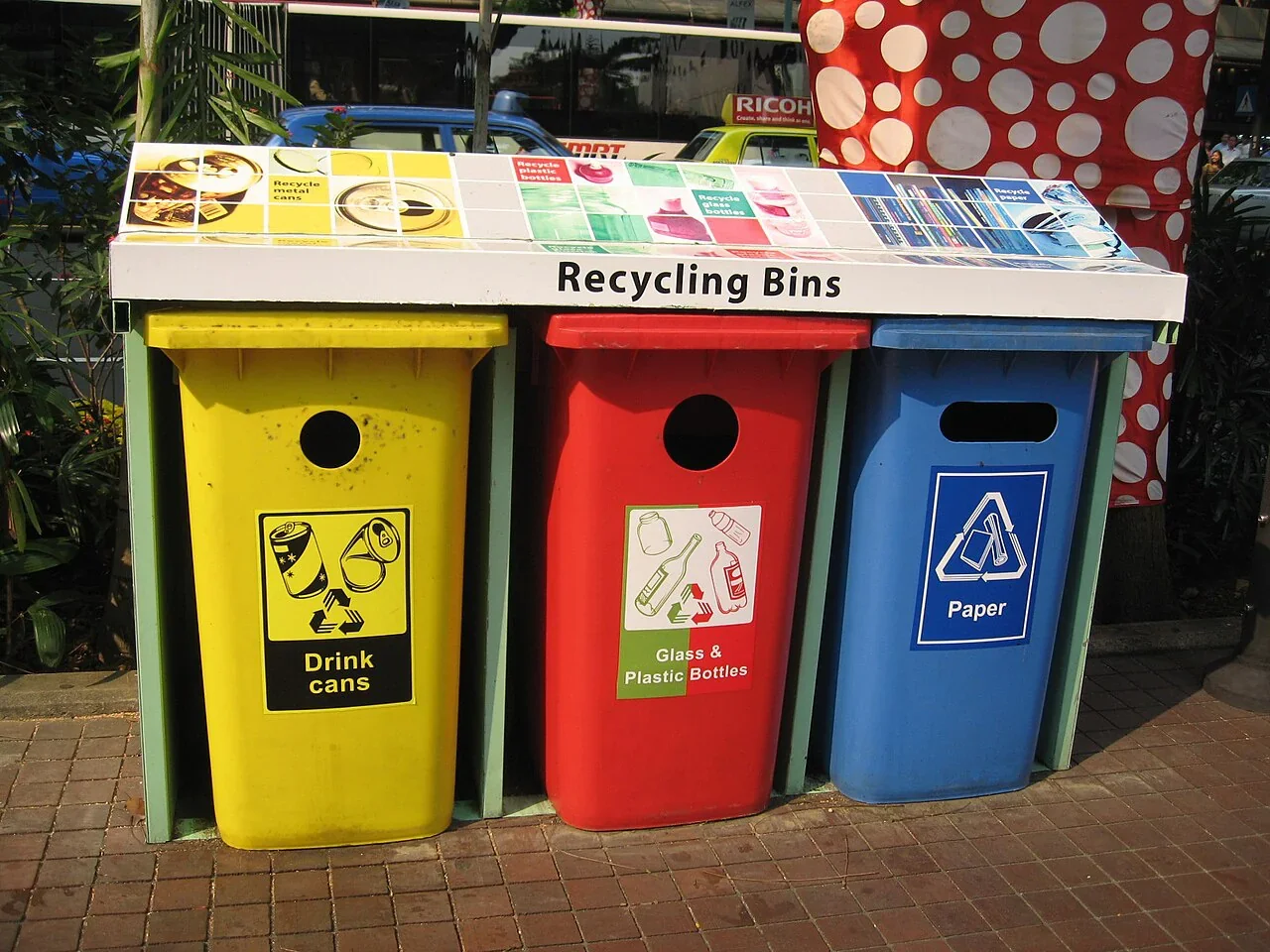
Used motor oil is not necessarily discarded after one use. EPA describes re-refining it into new lubricating oil and other processing routes; recycling depends on keeping the material suitable for the receiving facility. [1] That is why clean separation and a confirmed handoff matter more than placing a container in any bin marked recycling.
Oil filters and absorbent materials can have separate rules from the oil itself. Ask the collection center or local waste agency about filters, oily rags, drain-pan residue and spill cleanup materials; the oil program may accept only the oil.
A simple checklist helps: identify the fluid, keep it in a clean leak-resistant container, do not mix it, check the accepted amount and destination, then transport it upright and secure. If a spill happens, keep people and animals away and contact the appropriate local waste or emergency authority for cleanup guidance; do not wash oil into a drain. Your next step can be as small as finding one verified collection location and saving its instructions before the next oil change.
Follow the evidence
Primary sources used in this story. Practical examples are illustrative unless a source states otherwise.
- US EPA: Used Oil Management Program ↗
- US EPA: Tribal Transfer Station Quick Start Guide — Used Oil (May 2025) ↗
- CalRecycle: Used Oil Recycling Program ↗
Read our editorial standards. Have a correction? Identify the article and relevant source in your feedback to the site owner.