tree day
Guide
How to dispose of leftover paint?
Identify the paint, keep it in its labelled container, and check your local waste authority’s accepted routes before moving or discarding it. Donation, paint take-back and household hazardous-waste programs vary by place and product.
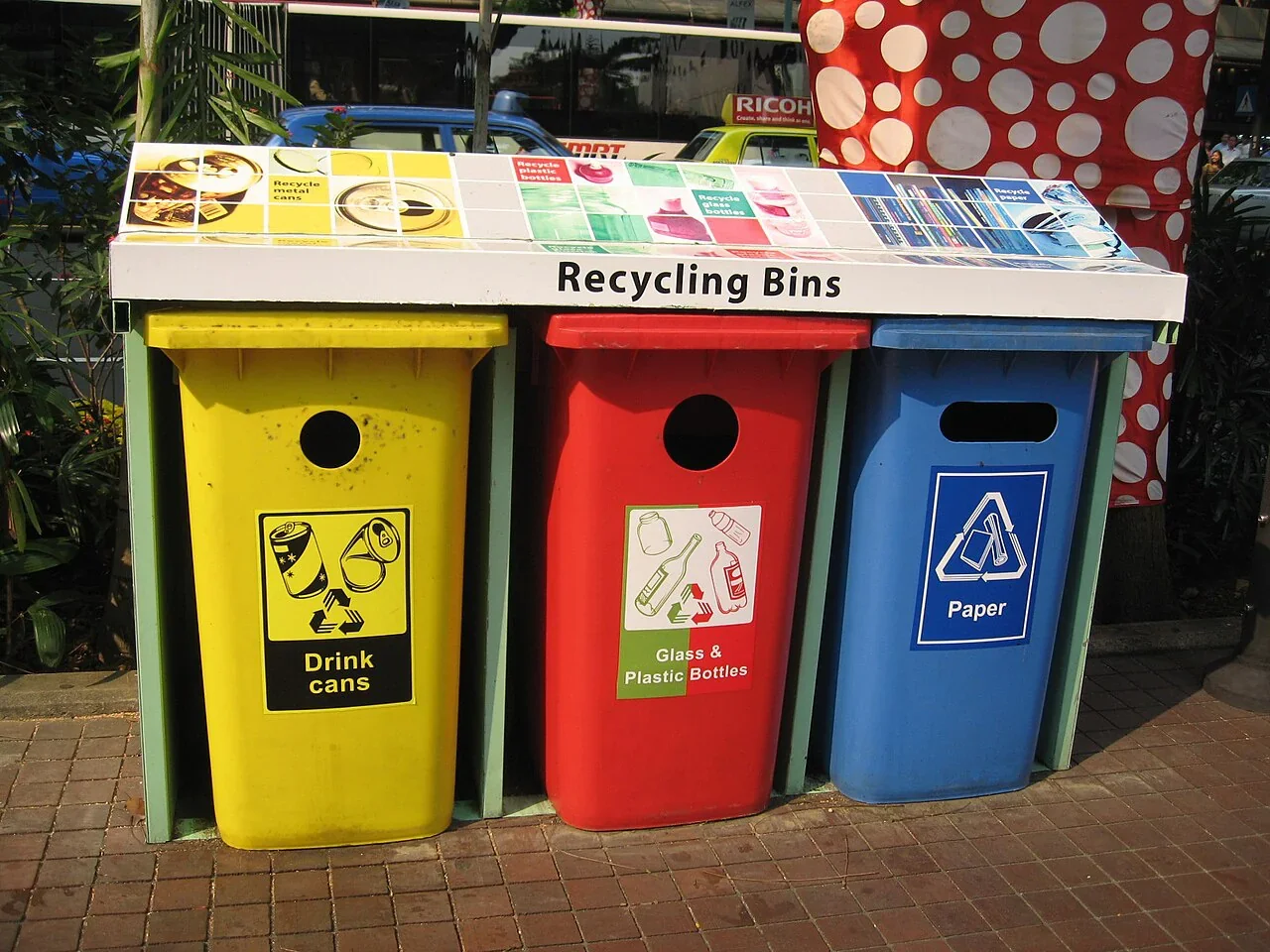
A half-used paint can is easy to forget until a move, a renovation or a shelf clean-out makes it someone’s problem. The safe next step depends on what the product is, how much remains and the rules where you live. EPA lists paints among household products that may need special disposal care, and advises checking local environmental or solid-waste agencies. California has a more specific paint stewardship route, so one state’s instructions should not be copied into another state’s trash rules. Keep the original label and ask before drop-off. [1] [2] [3]
Start with the label and the amount
Read the can before choosing a route. Record the product name, whether it is water-based or oil-based if the label says so, the approximate amount left and whether the lid or container is damaged. Do not mix the contents with another can, solvent, water or household chemicals. EPA warns against mixing leftover household hazardous products because incompatible materials can react and mixing can make a waste stream harder to recycle. If the label is missing or unreadable, say that when you contact the waste authority instead of guessing. [1]
Find the right local handoff
Search your city, county or regional solid-waste agency for “paint disposal,” “household hazardous waste” or “paint recycling.” Read the page for the specific facility or event: accepted paint types, container-size or quantity limits, residency rules, appointment requirements, hours and whether the site requires the original sealed can. If the online page is unclear, call. A collection program may accept some household paint but not aerosols, solvents, stains or commercial leftovers; the category name alone does not guarantee acceptance. EPA points residents to local agencies because household hazardous-waste management is handled at state and local levels. [1]
Keep the container stable while you wait
Until a confirmed handoff, follow the product label’s storage instructions. Keep the lid secure, the label visible and the container in a stable place away from children and pets. Store paint in its original container rather than a food or drink bottle; EPA specifically advises keeping household hazardous products in their original labelled containers and never storing them in food containers. Do not combine cans to save space. If a can is leaking, badly corroded or otherwise unsafe to handle, contact the local hazardous-materials or waste authority for instructions instead of transporting it as though it were intact. [1]
Do not pour, rinse or assume “dry” means trash
Do not pour leftover paint onto soil, into a storm drain or down a sink or toilet. EPA warns that improper disposal of household hazardous products can pollute the environment and can affect septic systems or wastewater treatment. Paint and brush-cleaning liquids are not interchangeable with ordinary rinse water: ask the local authority how to handle the product and any solvent or cleanup residue. Avoid washing paint into a street gutter, where runoff may flow toward waterways. [1] [3]
Do not assume that letting paint dry is an approved disposal method everywhere. California’s CalRecycle guidance says intentionally drying leftover paint without a permit to treat hazardous waste is prohibited there and directs residents to a paint drop-off location, including for dried paint. This is a California-specific rule, but it demonstrates why generic online advice can be unsafe. Check your own state and local instructions before drying, throwing away or recycling any paint or container. [3]
California’s program is useful, but not universal
In California, CalRecycle oversees the Paint Stewardship Program run by PaintCare. Its current page says architectural paint products in containers of five gallons or less can be dropped at many retail and other collection sites; it also distinguishes aerosol paint and empty containers from the program and directs residents to local authorities for those materials. Residents can use the PaintCare locator linked from CalRecycle, then verify the location’s conditions before setting out. These details describe California’s program, not a national standard. [3]
Elsewhere, use the local government’s current guidance and verify the exact facility rather than relying on a search snippet, a general recycling symbol or an old neighborhood post. The answer may differ for a can that is empty, partly full, dried, aerosol, oil-based or damaged. Keep a short note of the agency page and date you checked it; paint programs and accepted products can change. The best route is the one the receiving authority confirms for the specific can in front of you.
Make the next project easier
Before the next painting job, estimate the surface area and buy only what the project needs, while allowing for the product’s coverage and a practical touch-up reserve. Keep the label and purchase details with any leftover can so another person can identify it later. When a project ends, check whether the paint is still usable and whether someone can use it before it becomes an unknown container stored for years. EPA identifies reducing purchases and reuse as preferred ways to limit waste generally; planning the amount is the simple prevention step that makes disposal less likely. [2]
Follow the evidence
Primary sources used in this story. Practical examples are illustrative unless a source states otherwise.
Read our editorial standards. Have a correction? Identify the article and relevant source in your feedback to the site owner.